Gallery
A chronological reading of the exhibition's pre-history, making, touring, and afterlife — through photographs and installation views currently in this wiki under public-domain or Creative-Commons licences. Every plate of the 503 in the show remains under copyright with the photographers' estates and is not hosted here; the gallery surfaces only what is openly licensed, in the order it was taken.
1859 – 1922 · Pre-history
Photographs from the half-century before The Family of Man that Steichen would gather into the show, alongside his own early Pictorialist and transitional work and the Brâncuși friendship that would later shape his curatorial method.
Antecedents
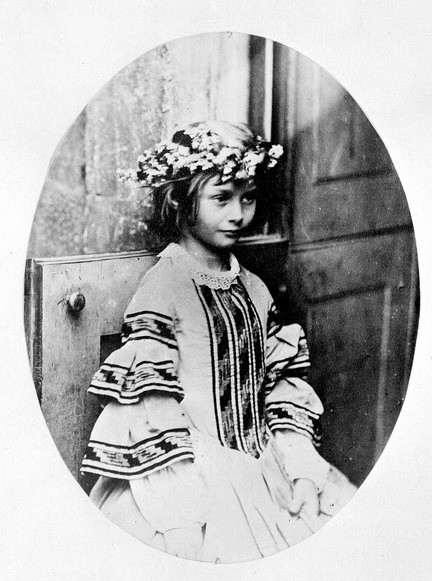
Alice Liddell as "The Queen of May"

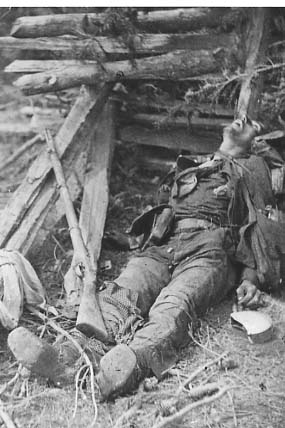
Civil War dead
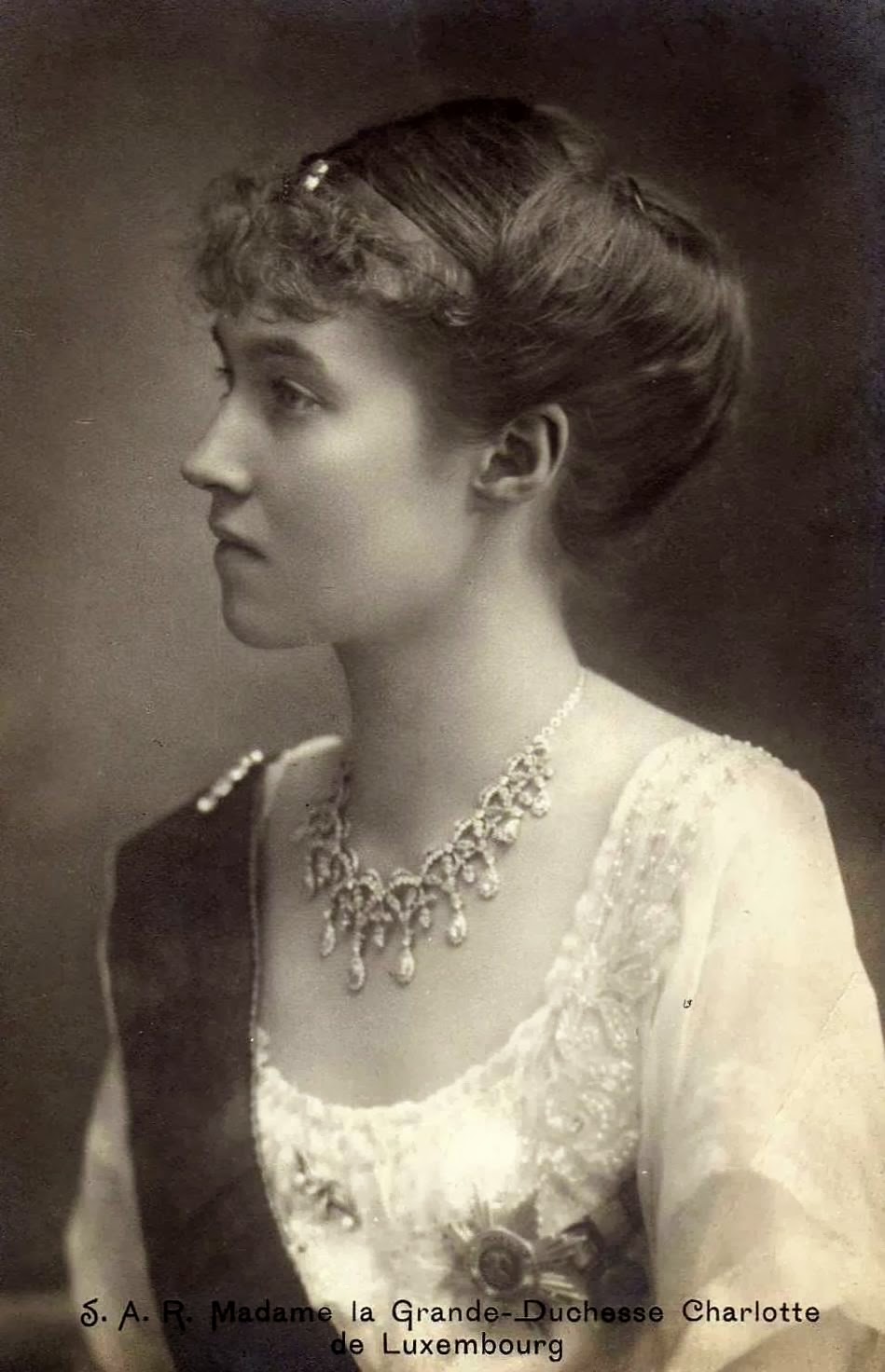
Grand Duchess Charlotte of Luxembourg

Edward Steichen: Pictorialist and transitional years (1900–1922)
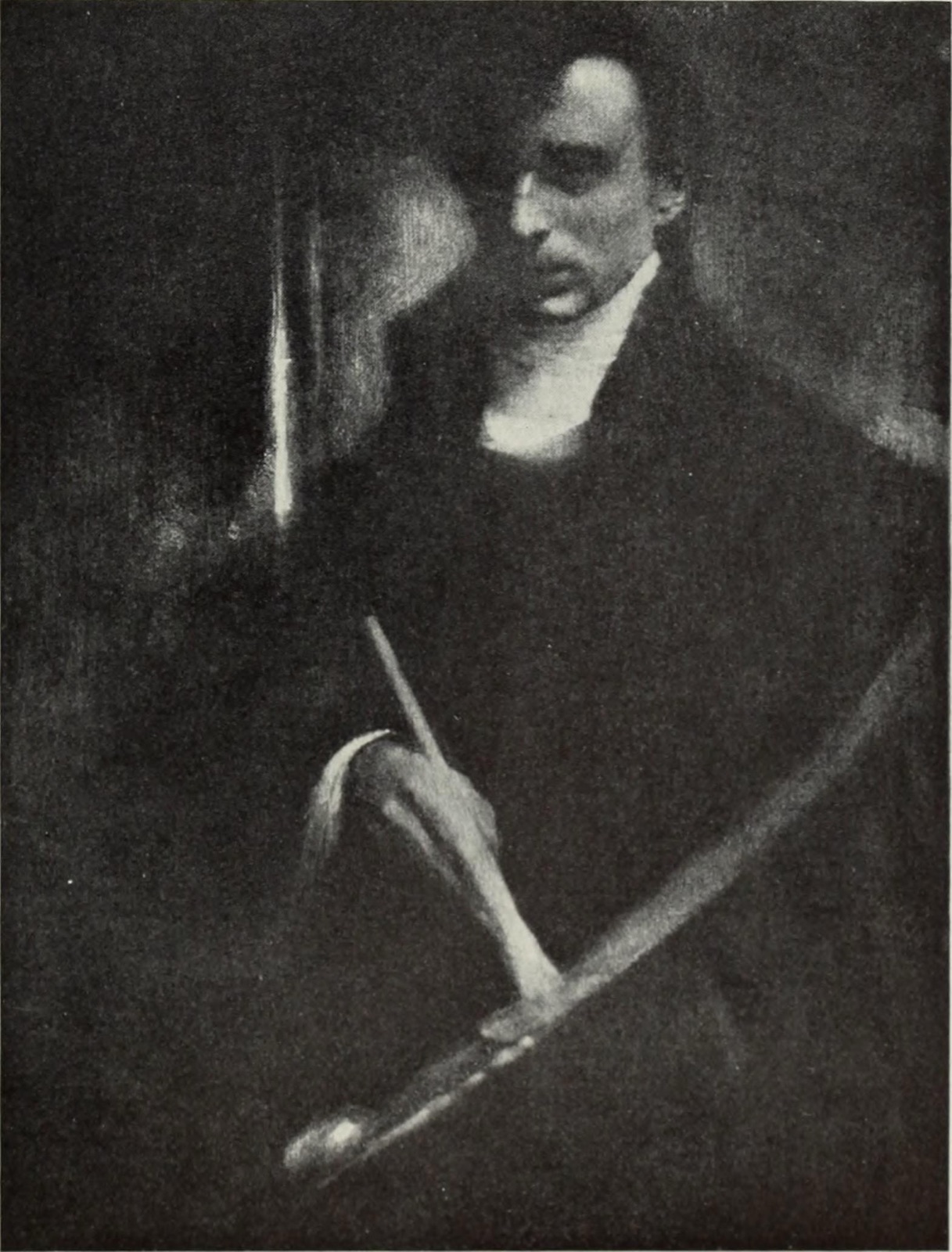
Self-portrait, age 22

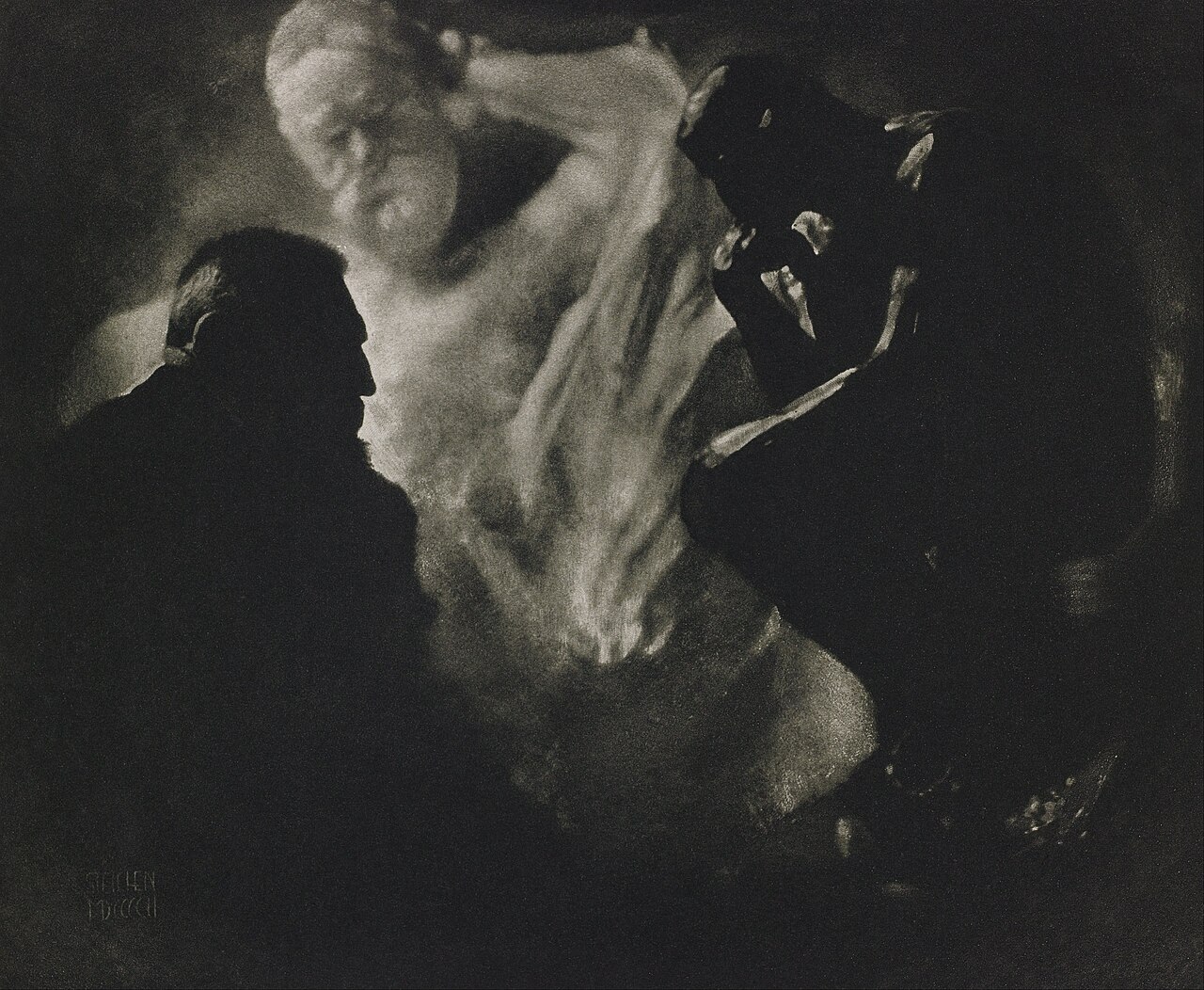
Rodin — Le Penseur

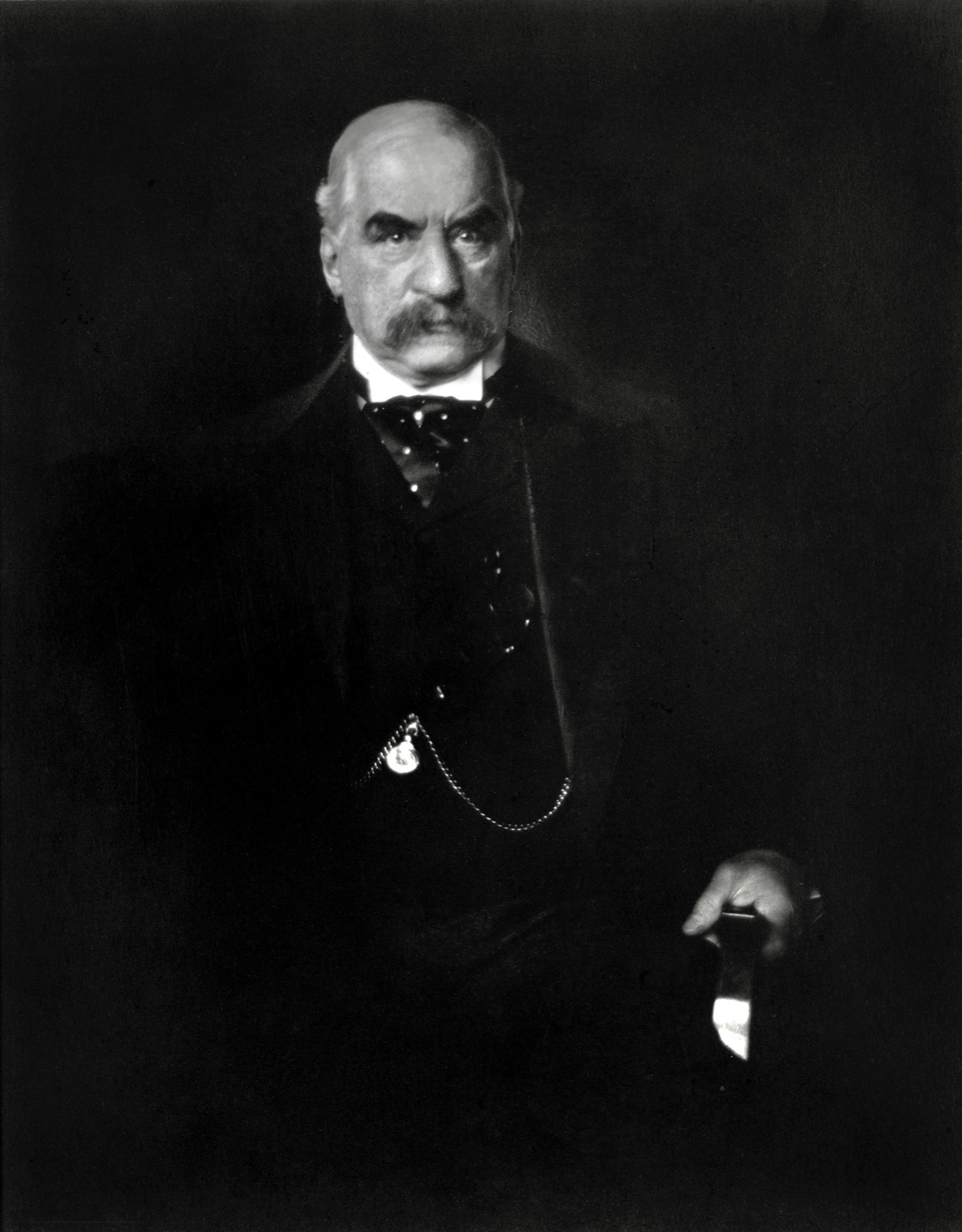
J. Pierpont Morgan
.jpg)
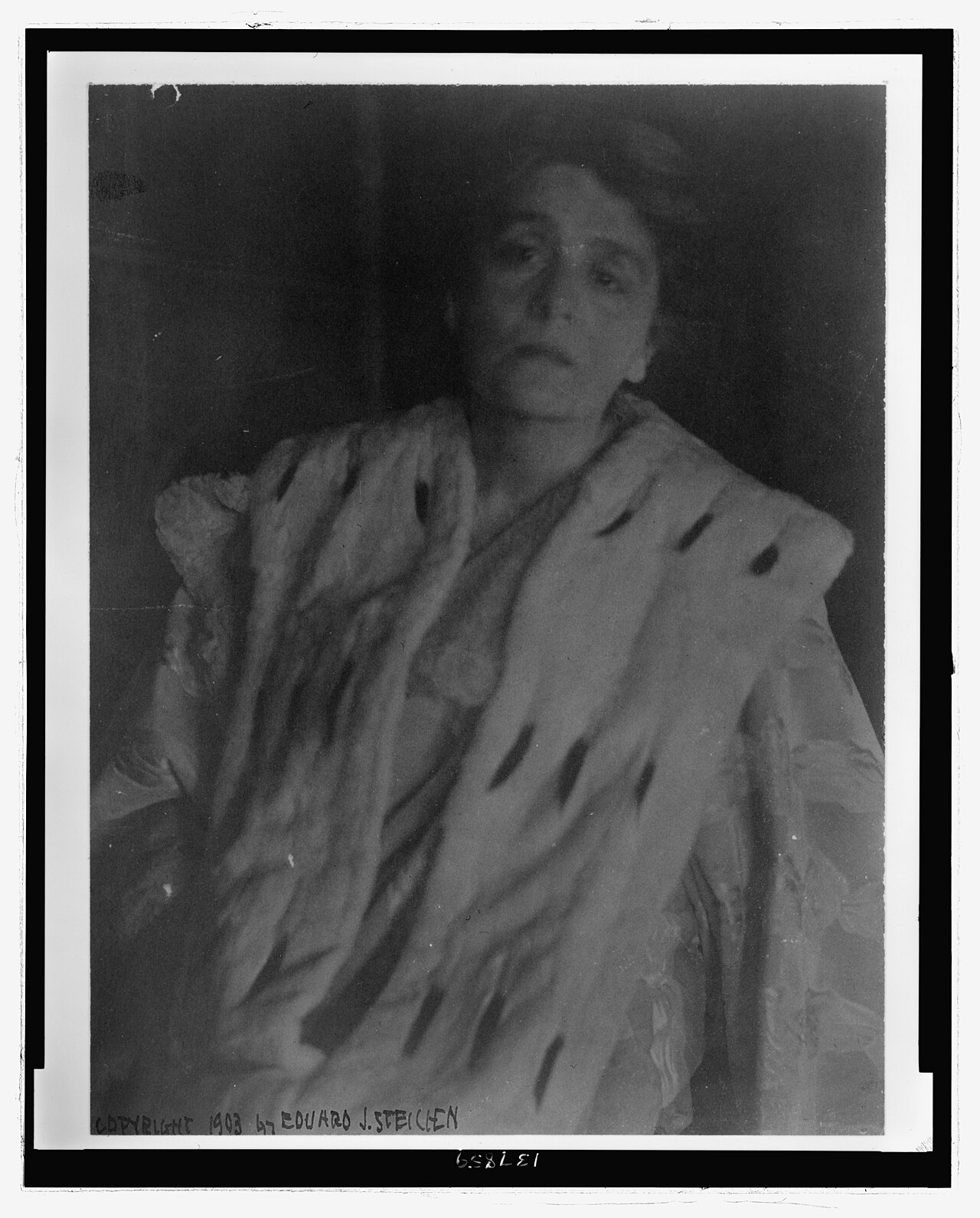
Eleanora Duse, actress

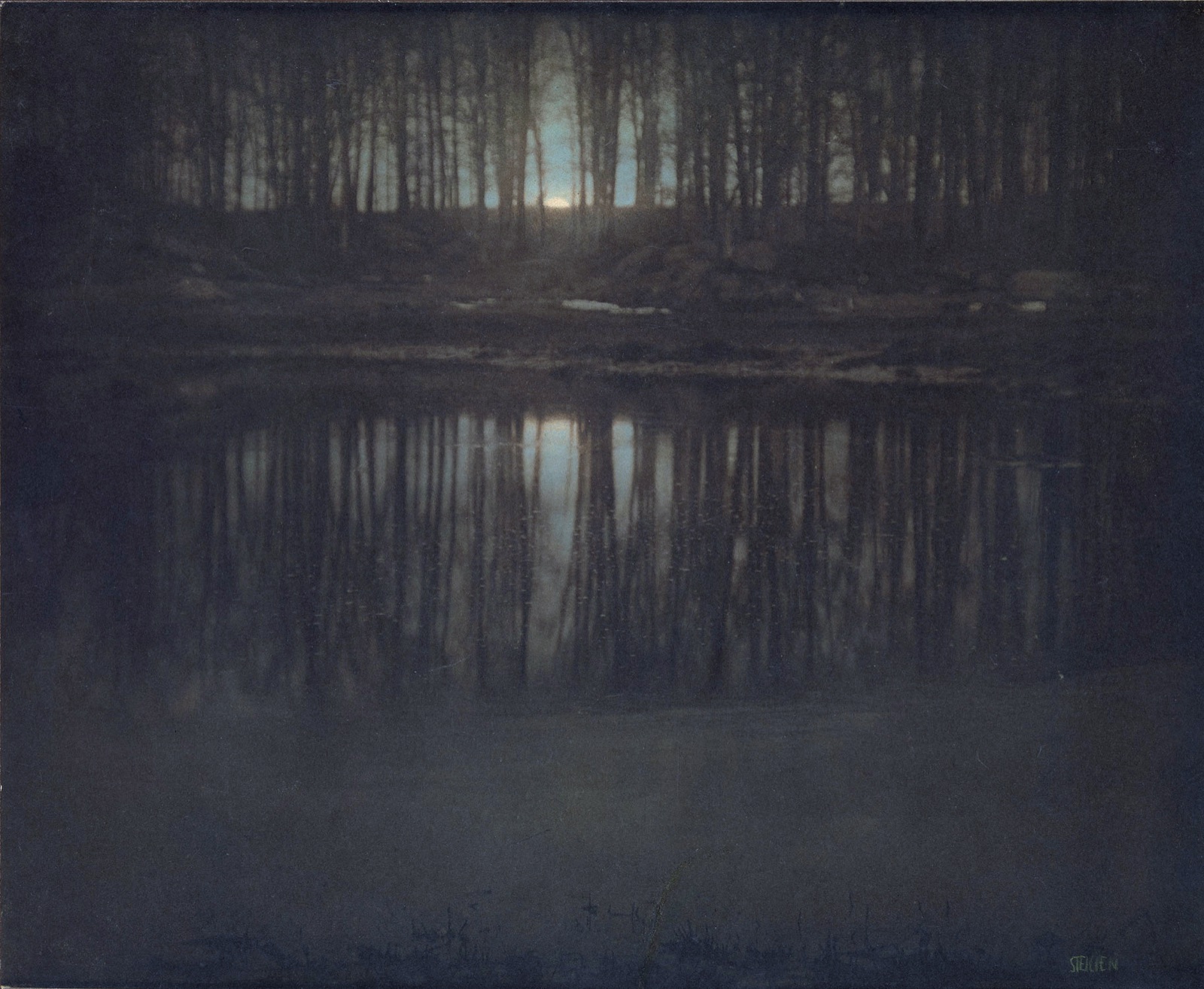
The Pond — Moonlight

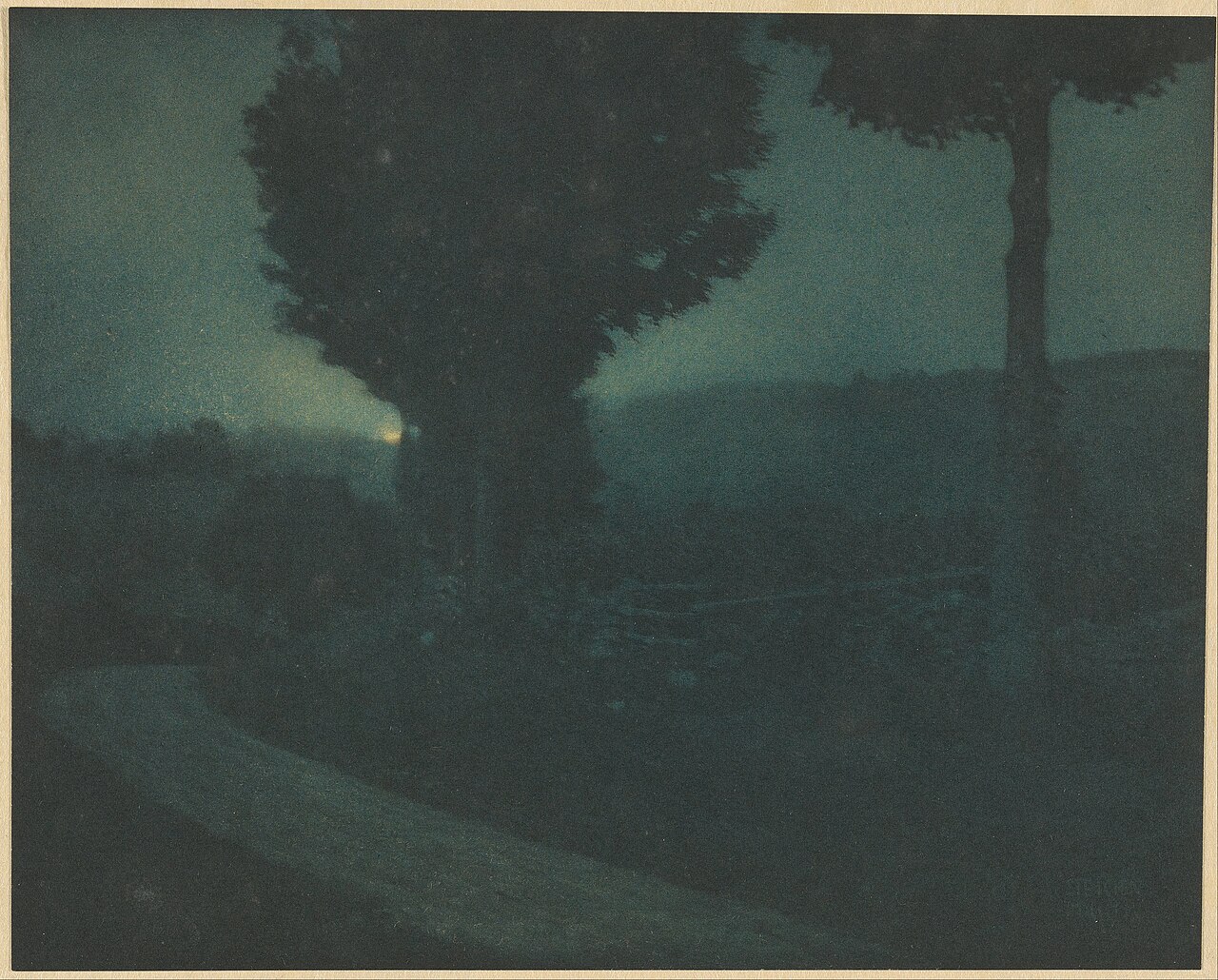
Road into the Valley — Moonrise
_-_(Road_into_the_Valley_--_Moonrise)_-_Google_Art_Project.jpg)
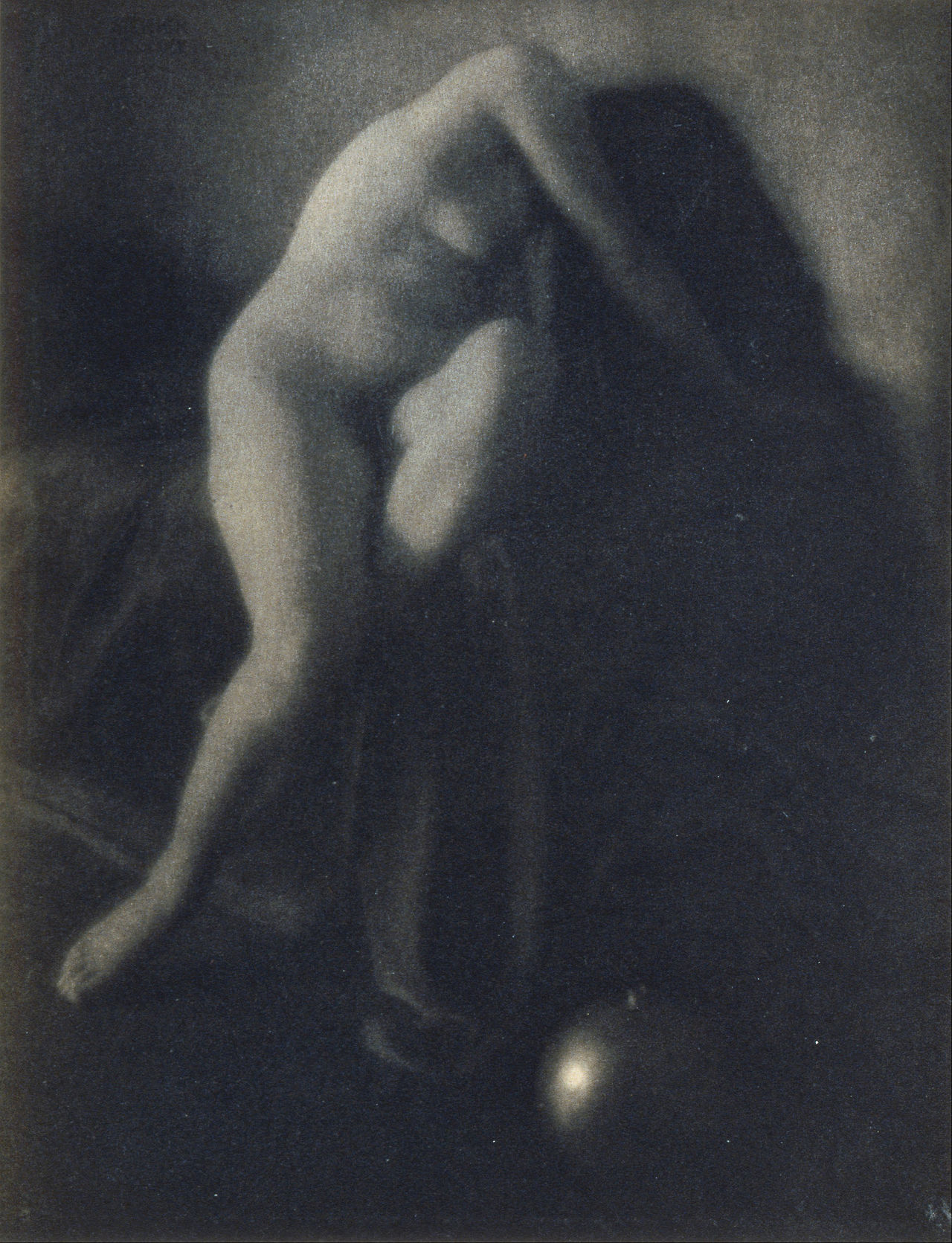
In Memoriam

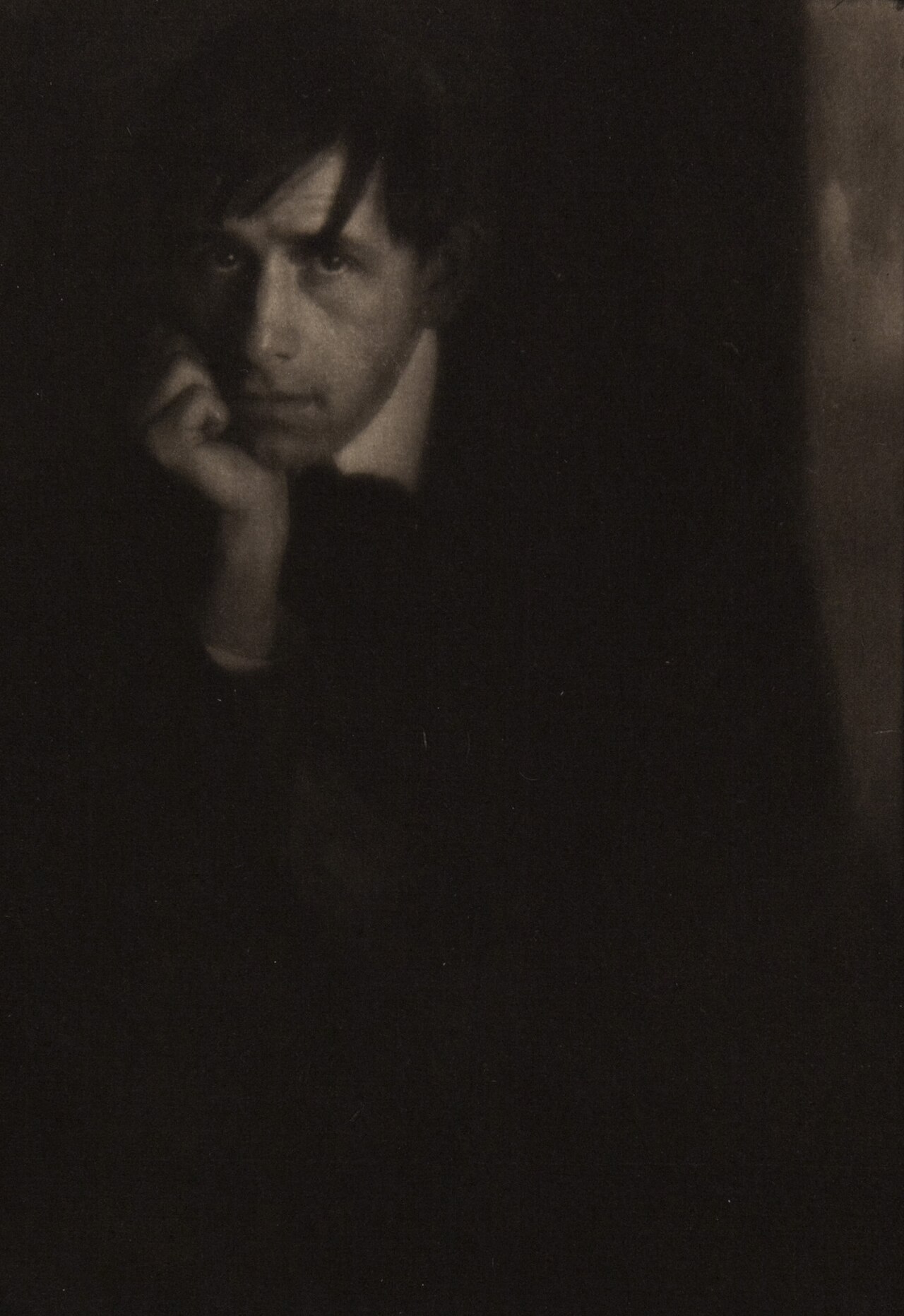
Clarence H. White, photographer
.jpg)
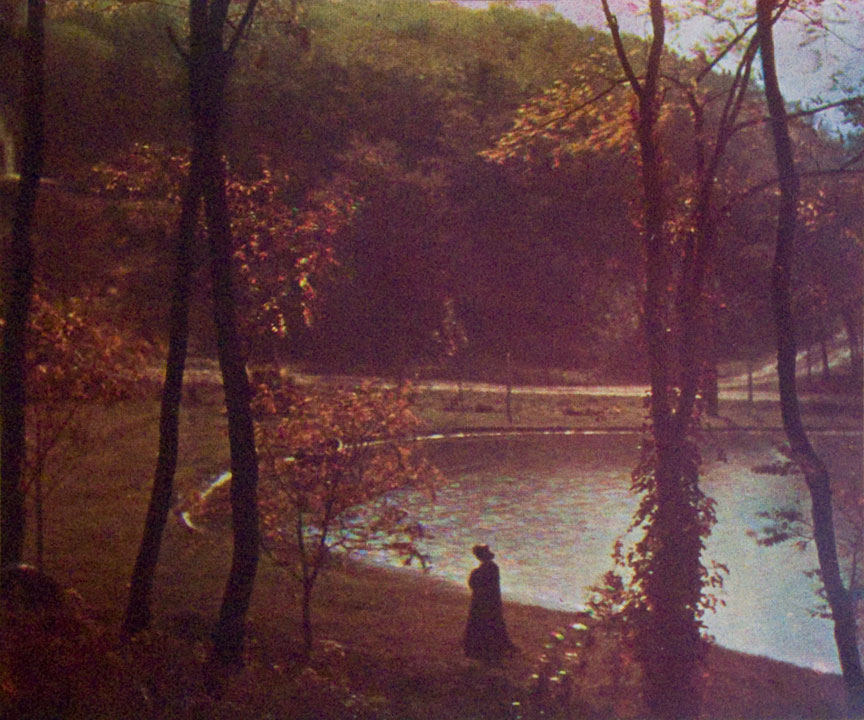
Experiment (autochrome)

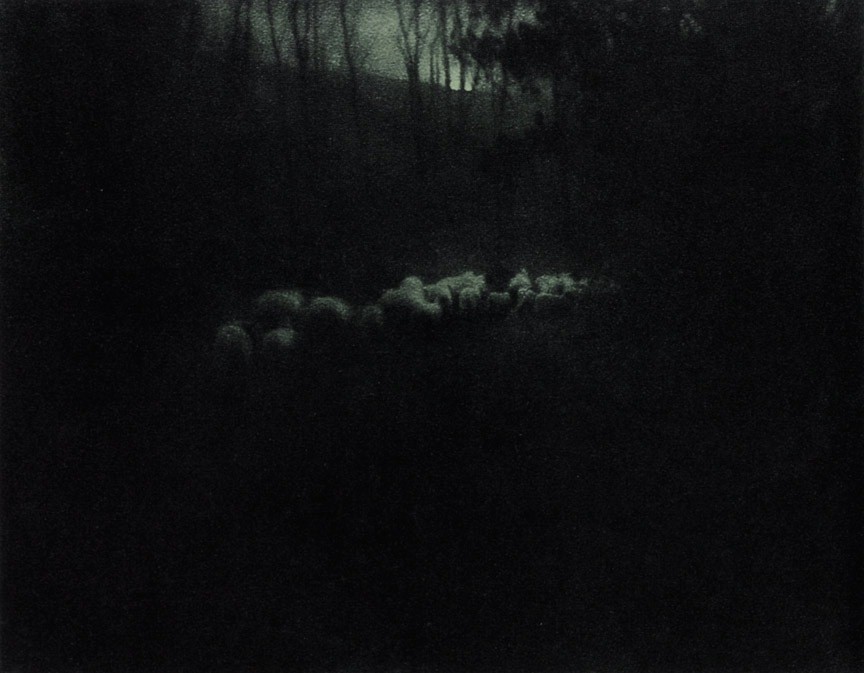
Pastoral

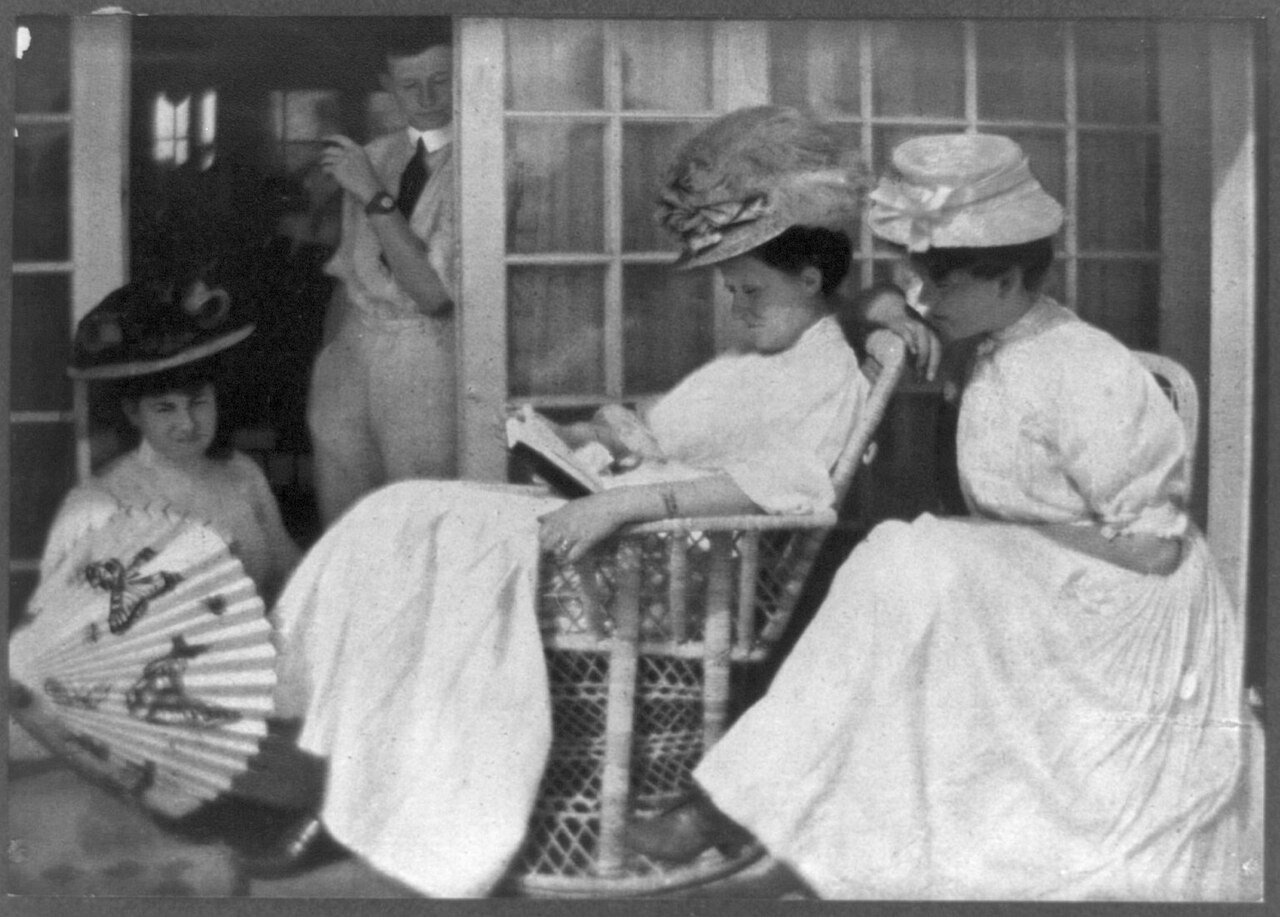
On the House-Boat "The Log Cabin"

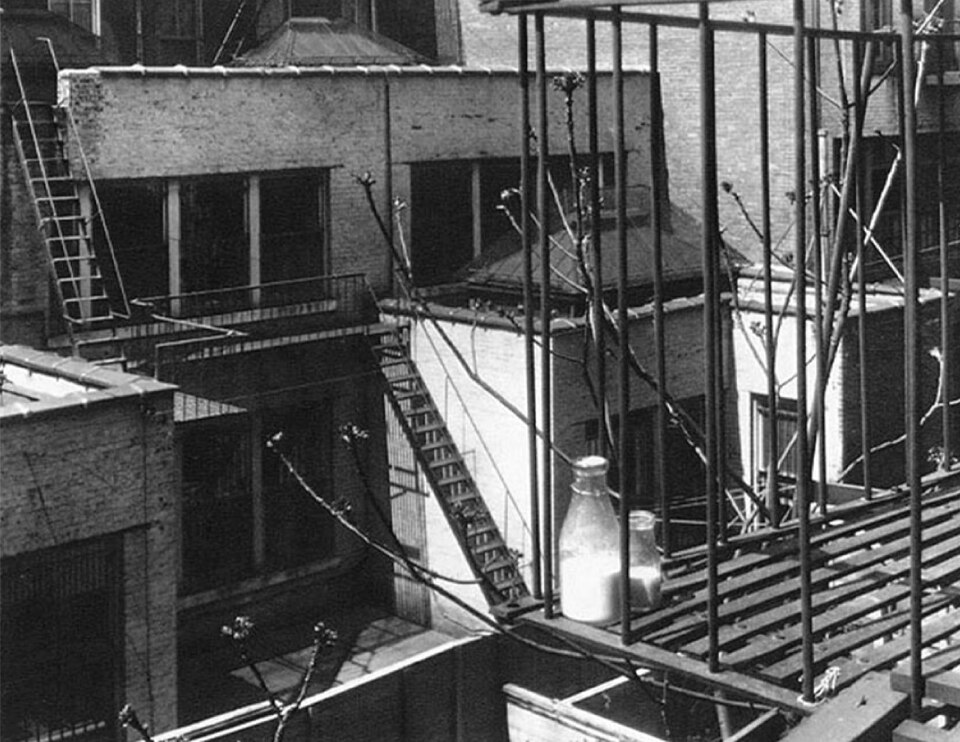
Milk Bottles on a Fire Escape

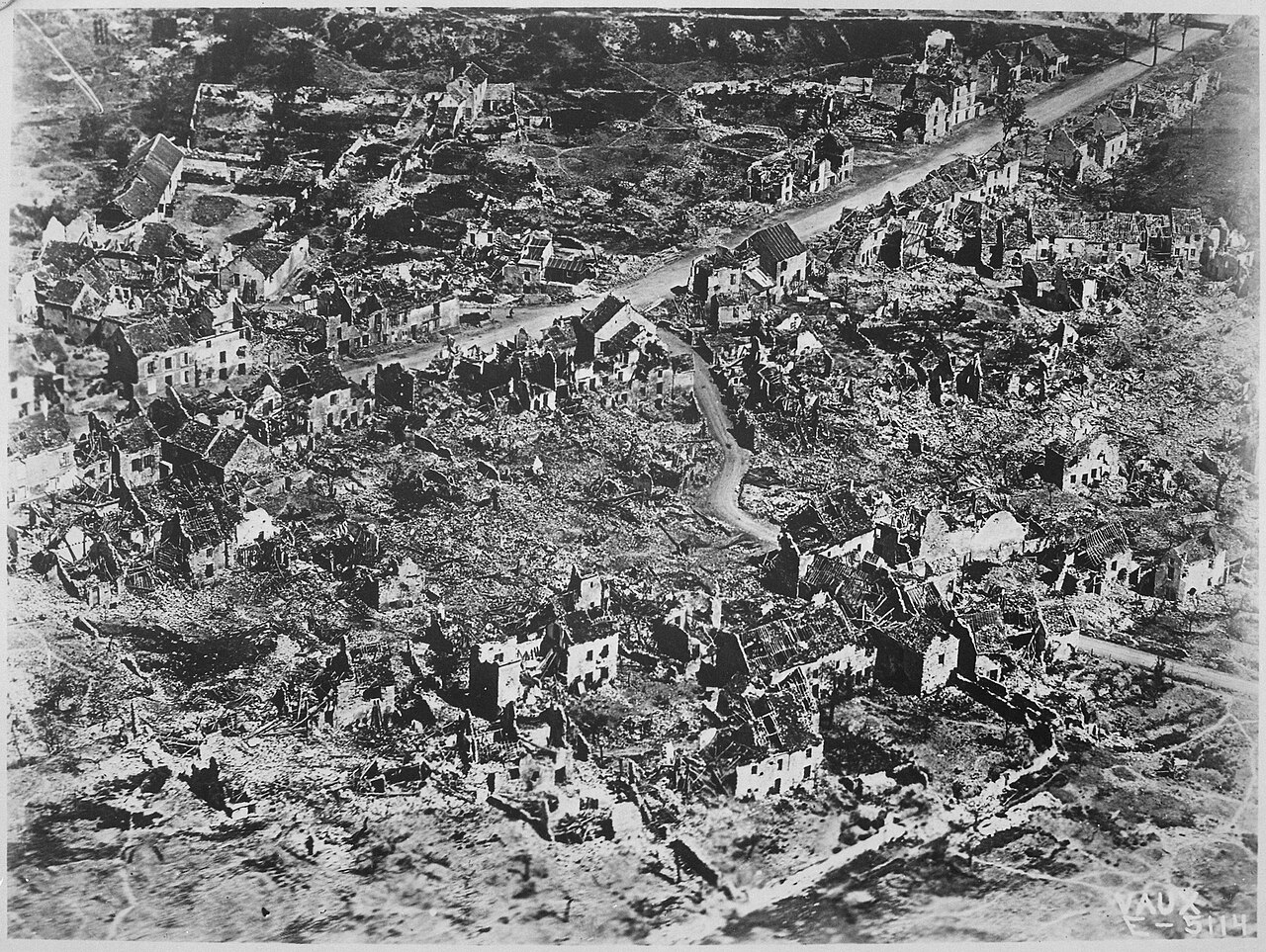
Aerial view of ruins of Vaux, France

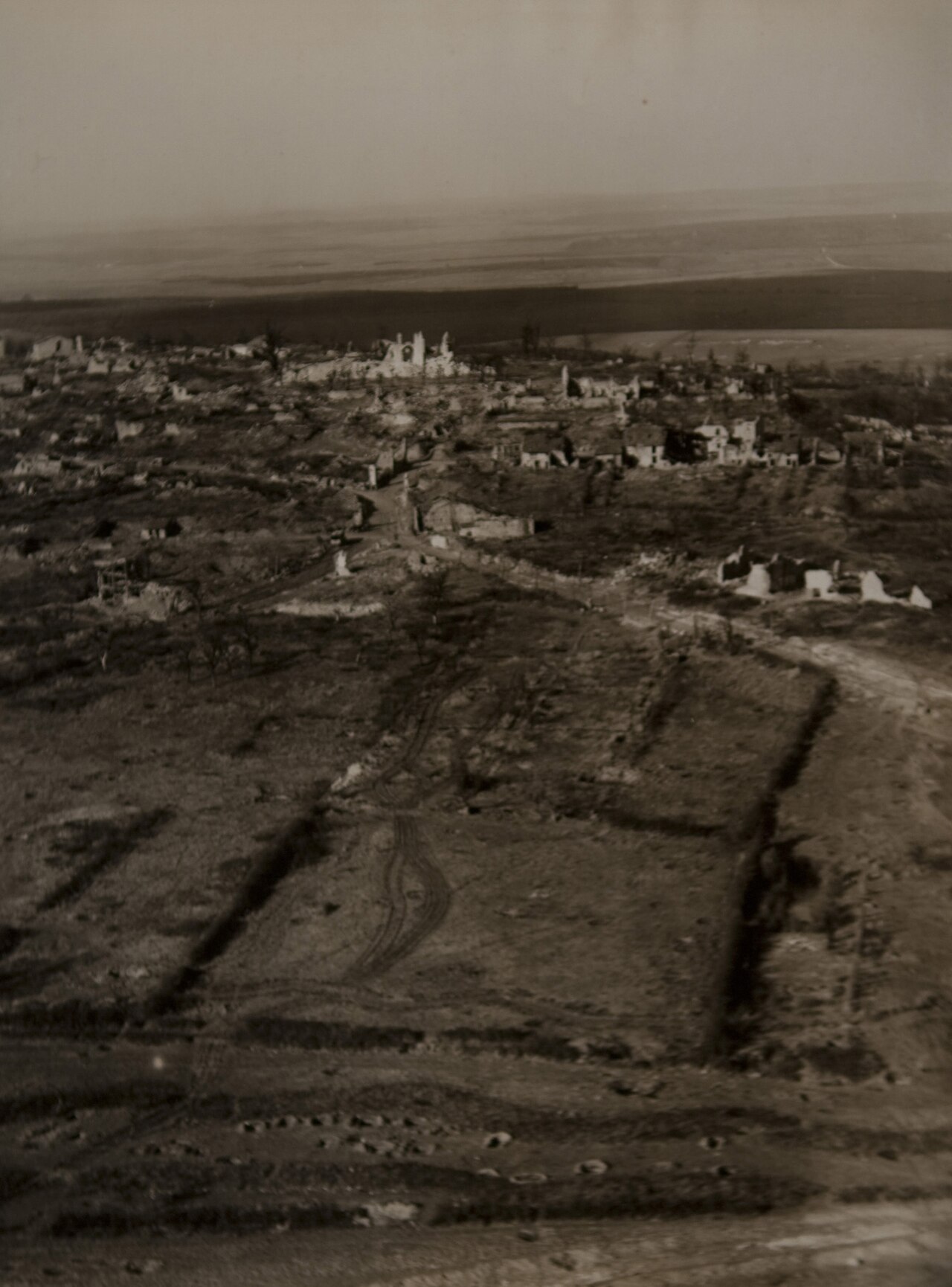
Montfaucon, Argonne
.jpg)
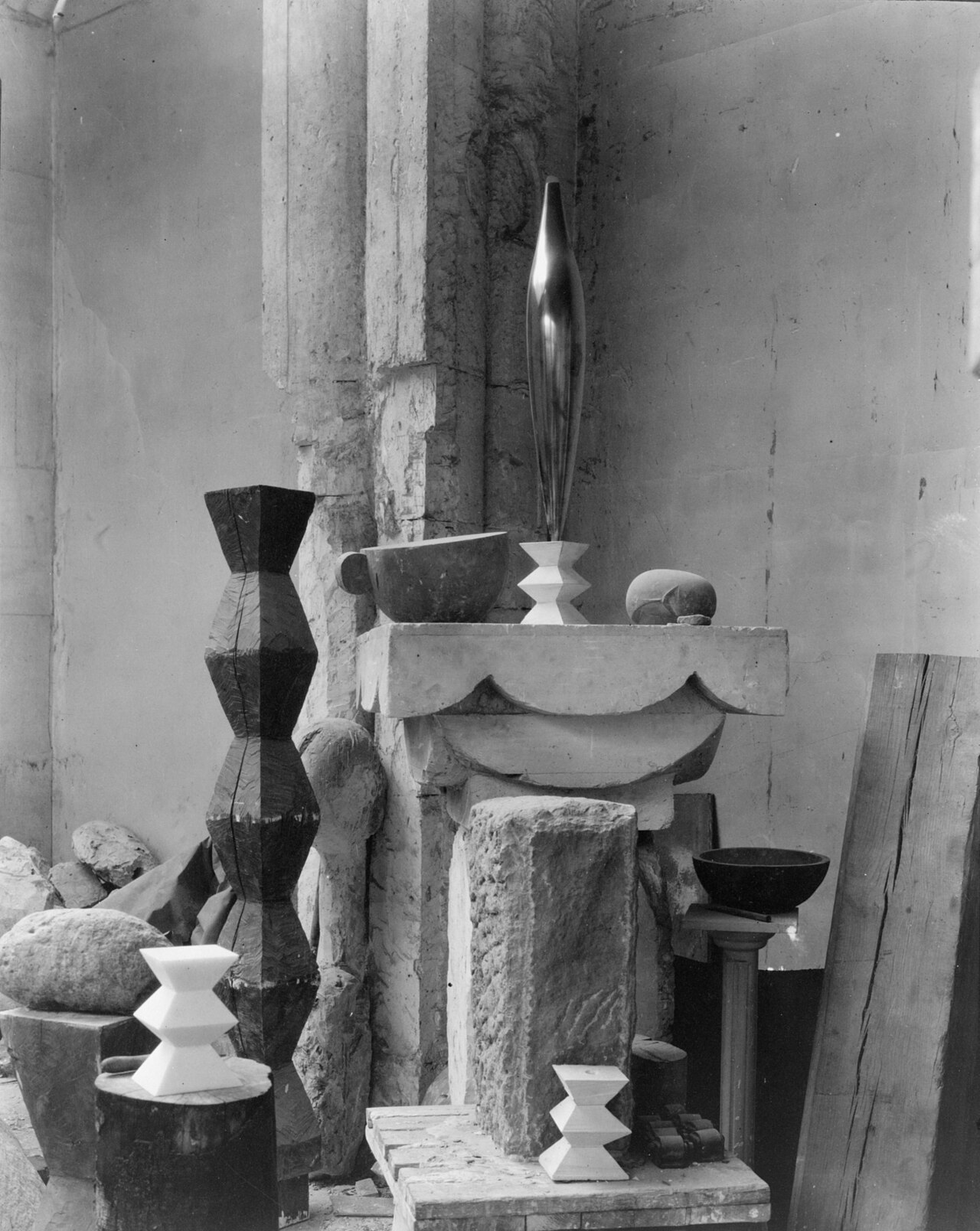
Brancusi's studio, Paris

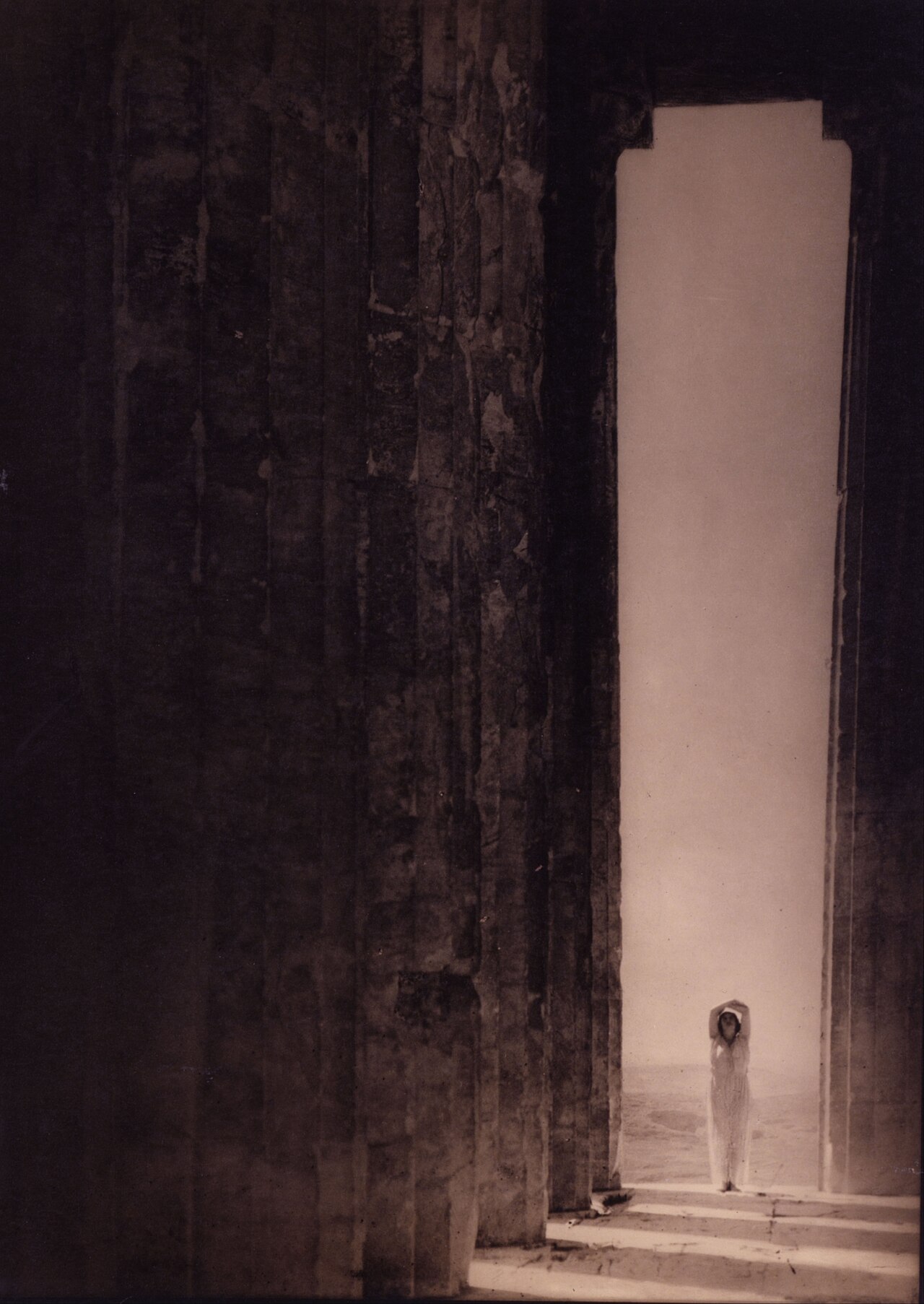
Isadora Duncan in the Parthenon, Athens

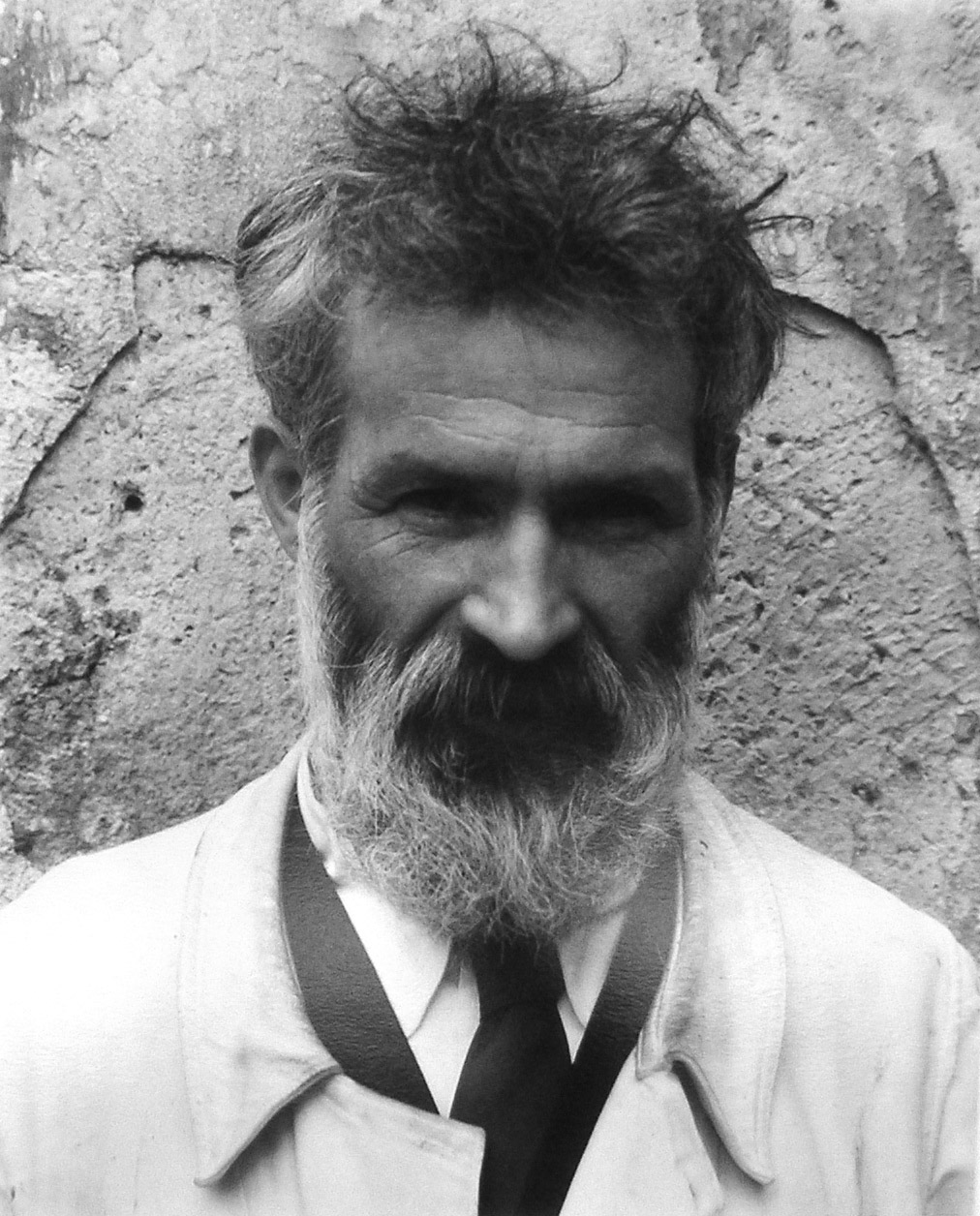
Constantin Brâncuși in his Voulangis workshop
1935 – 1944 · The decade of the contributors
FSA and OWI documentary photography — the federal photography programmes that produced the majority of Steichen's American plates. The images below include sourced exhibition plates (plate IDs noted) alongside representative works by the same photographers. All FSA/OWI photographs are public domain (PD-USGov) with no known restrictions on publication.
Dorothea Lange · Farm Security Administration
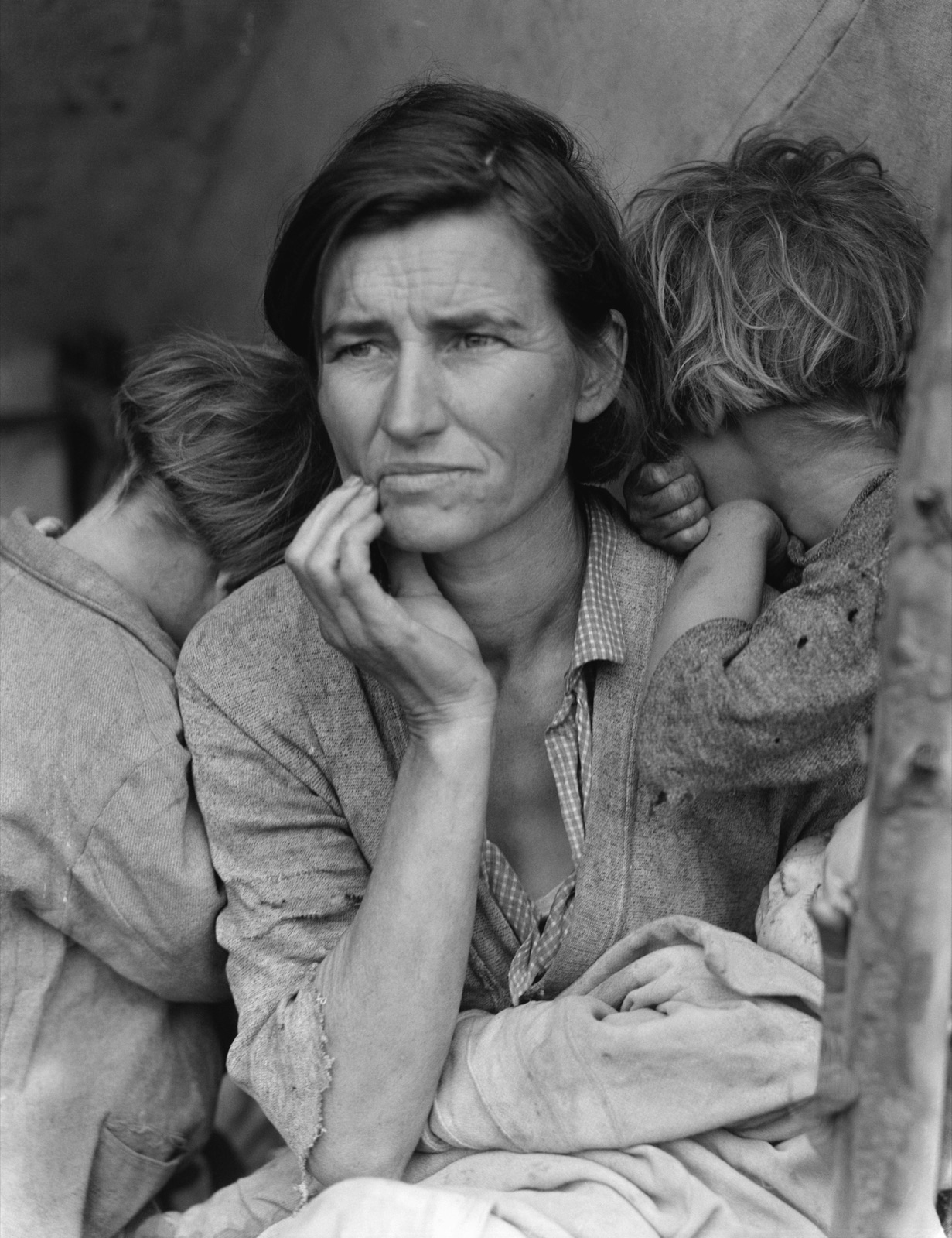
Migrant Mother (Florence Owens Thompson, Nipomo, California)
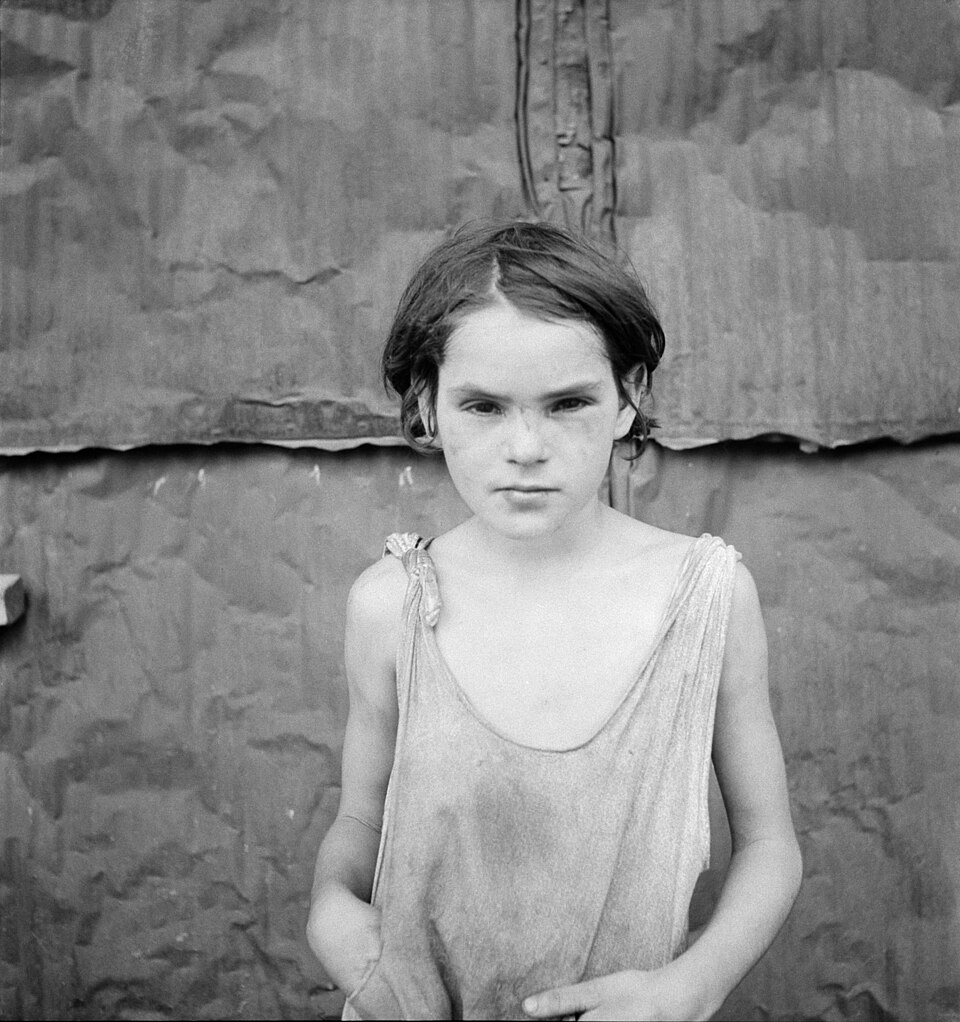
Child in Shack Town, California

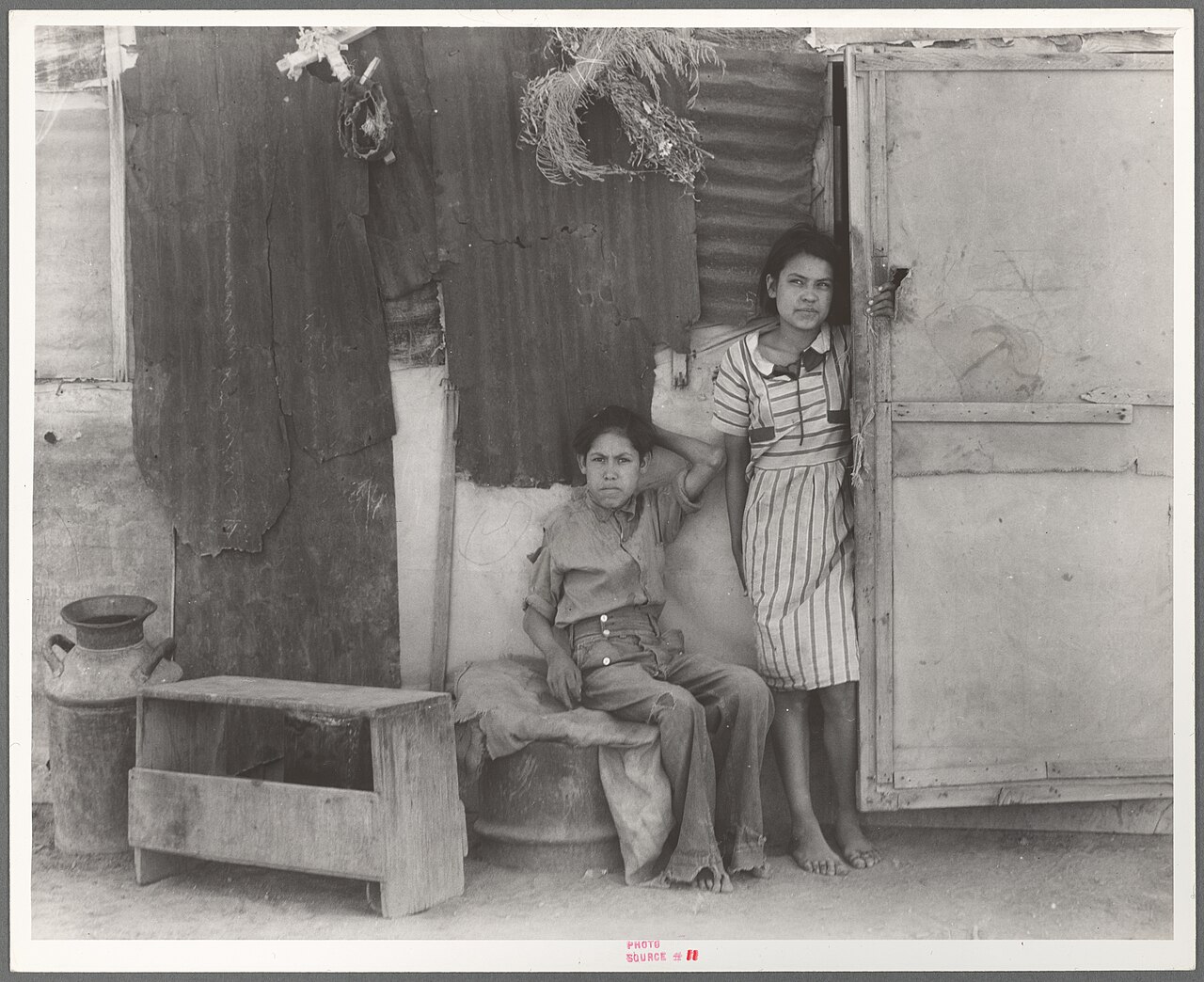
Children of Mexican cotton laborers, Casa Grande, Arizona

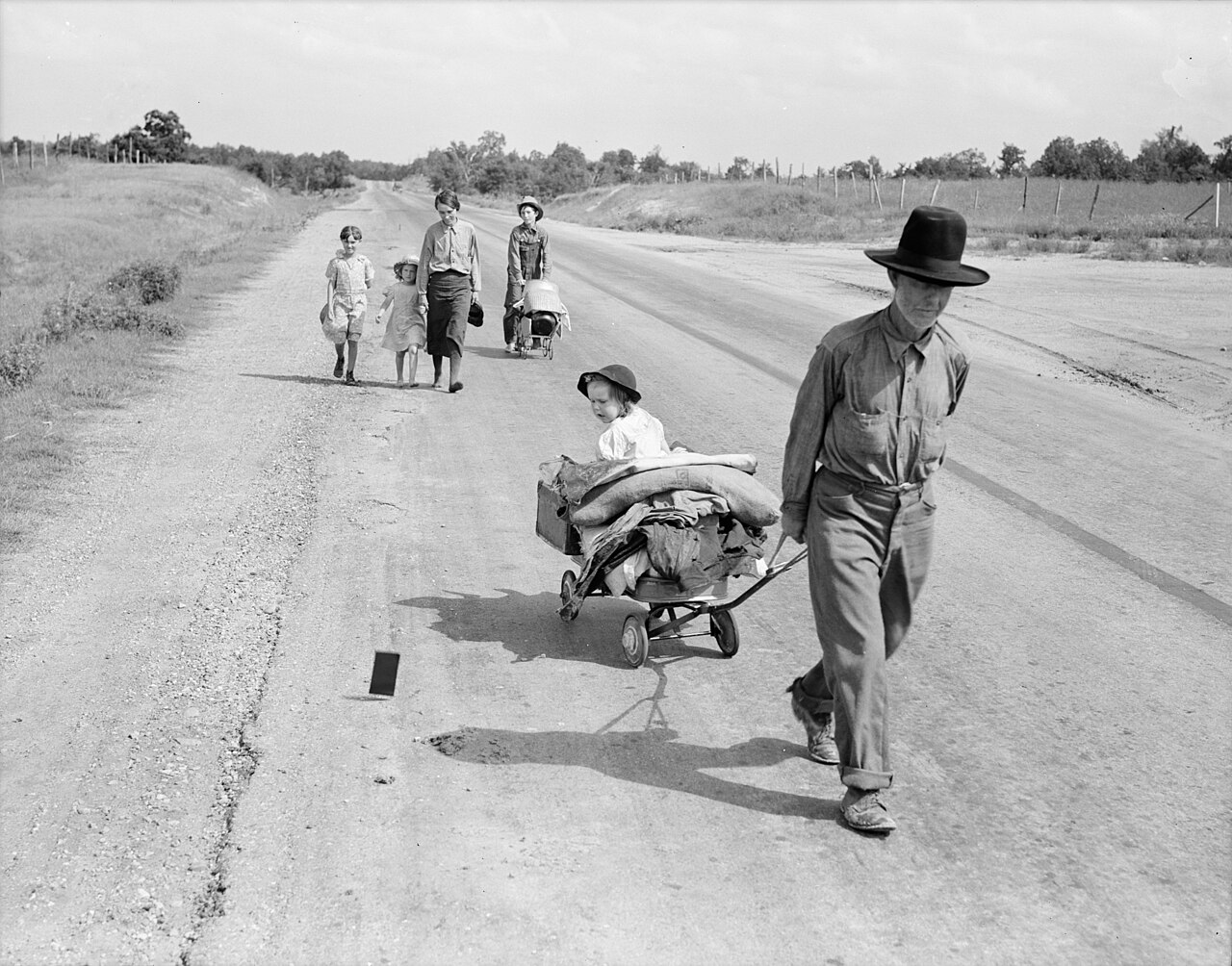
Family walking on highway, Pittsburg County, Oklahoma

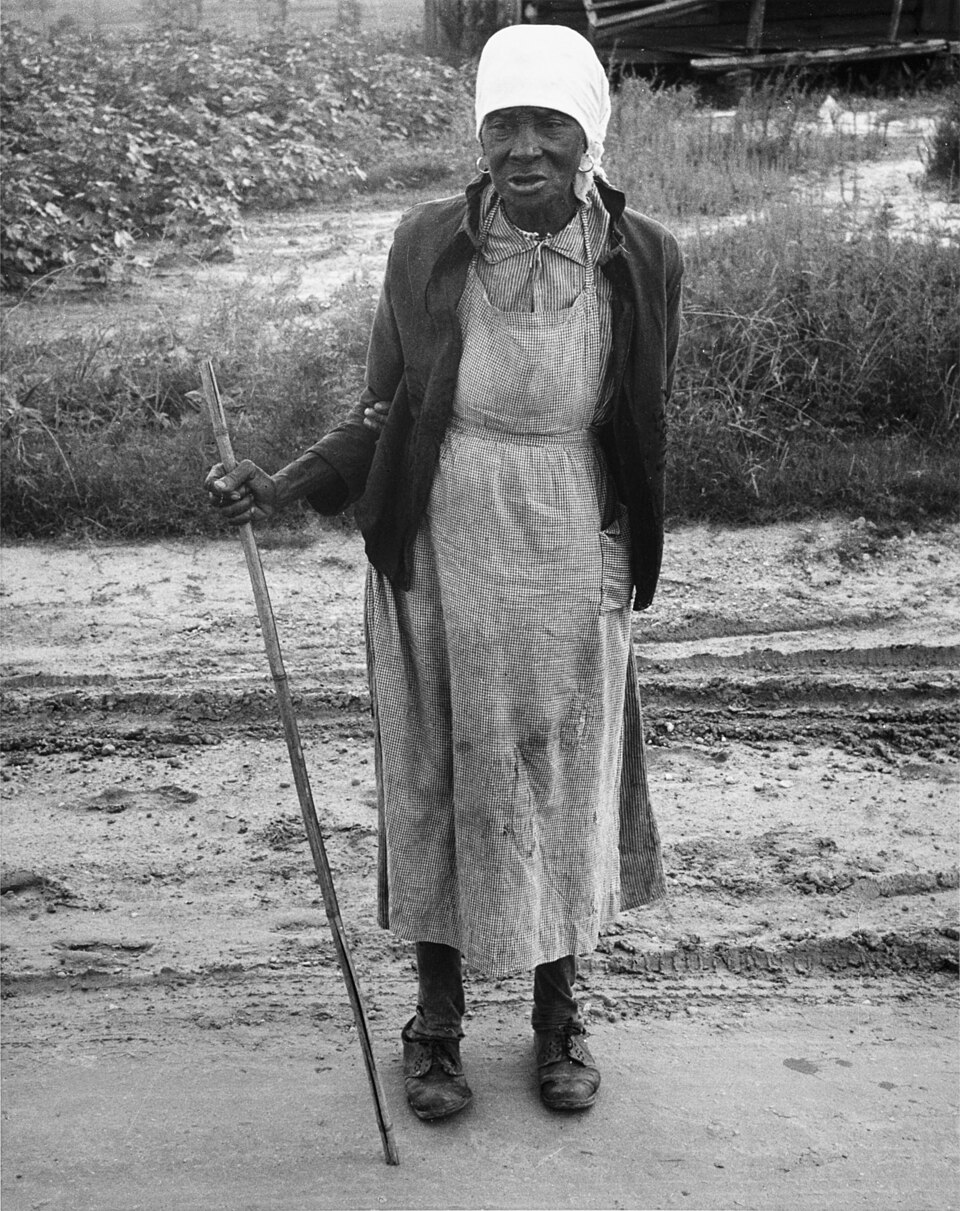
Ex-slave with a long memory, Alabama

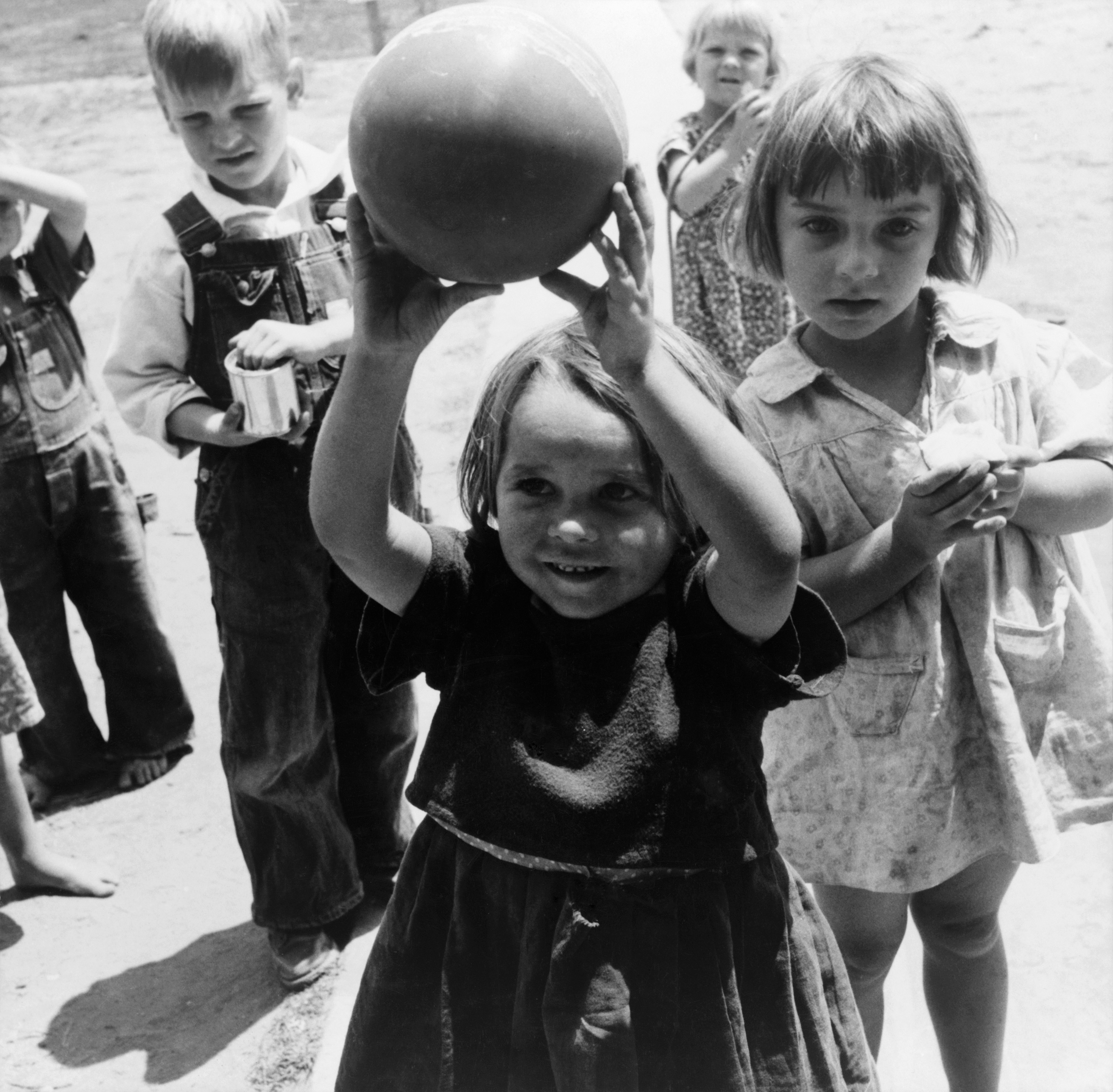
Migrant children at nursery school, FSA camp, Tulare County

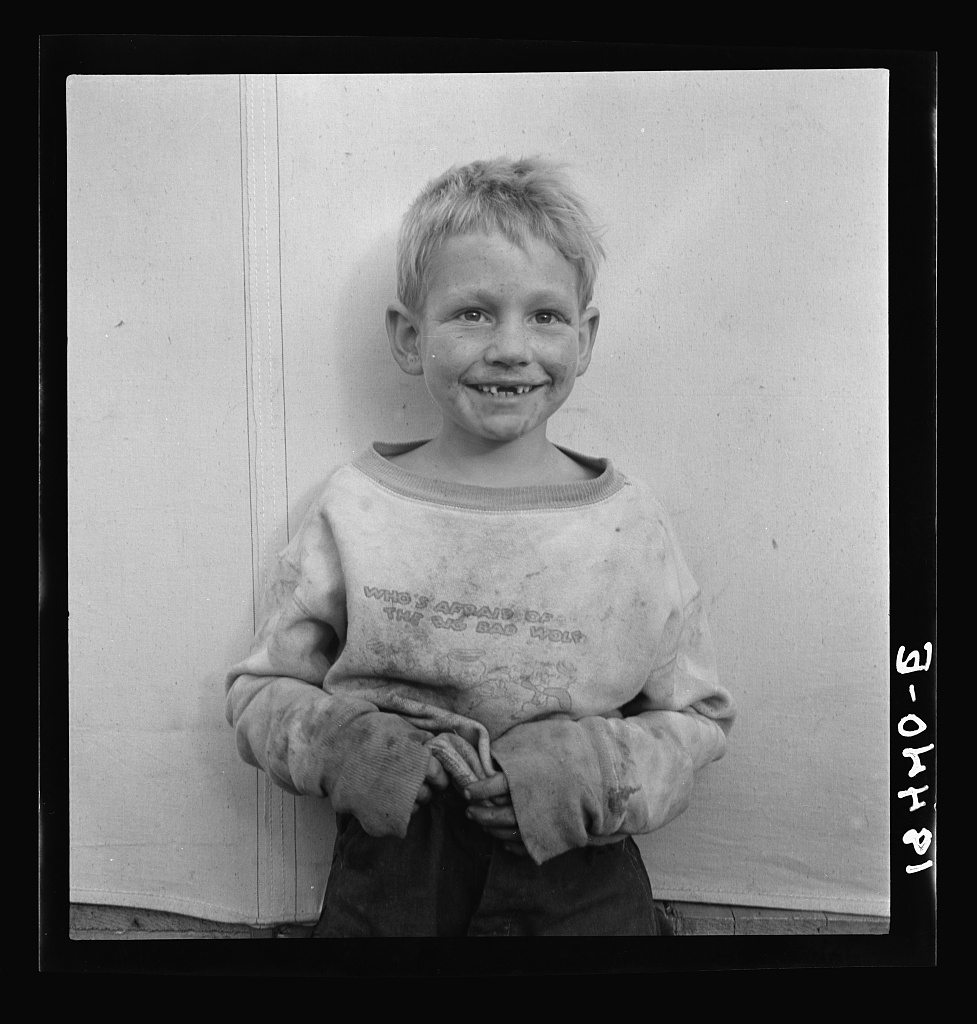
Migrant cotton picker's child, Shafter Camp, California
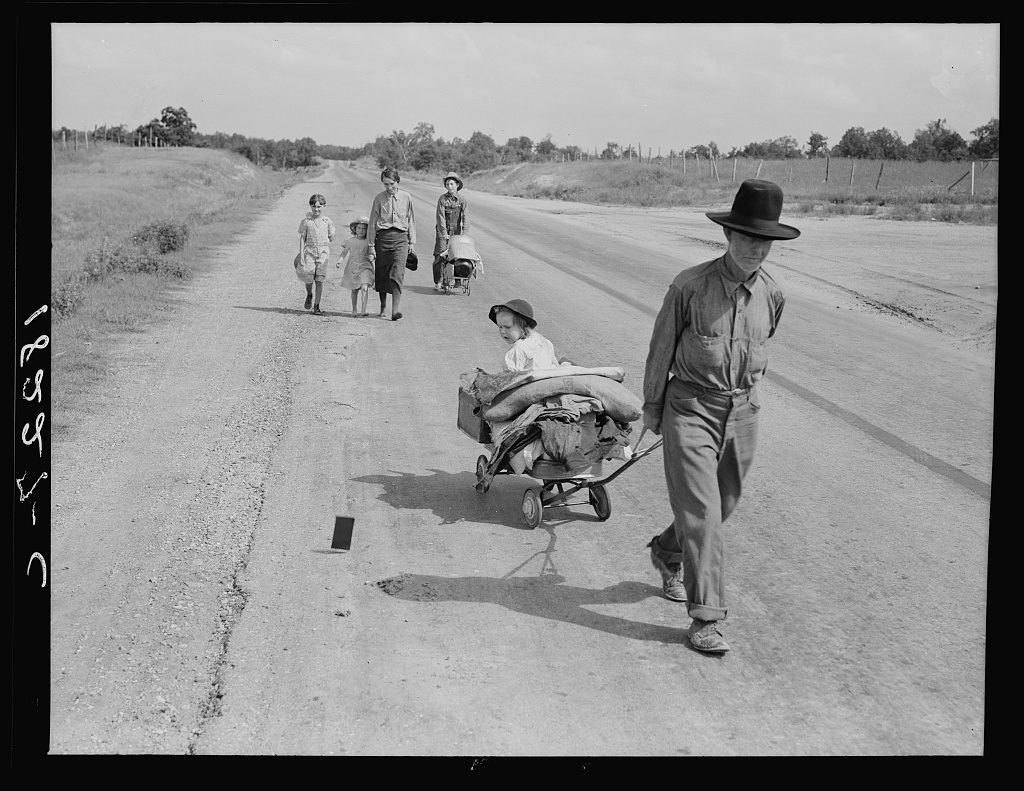
Drought refugees from Oklahoma camping by the roadside
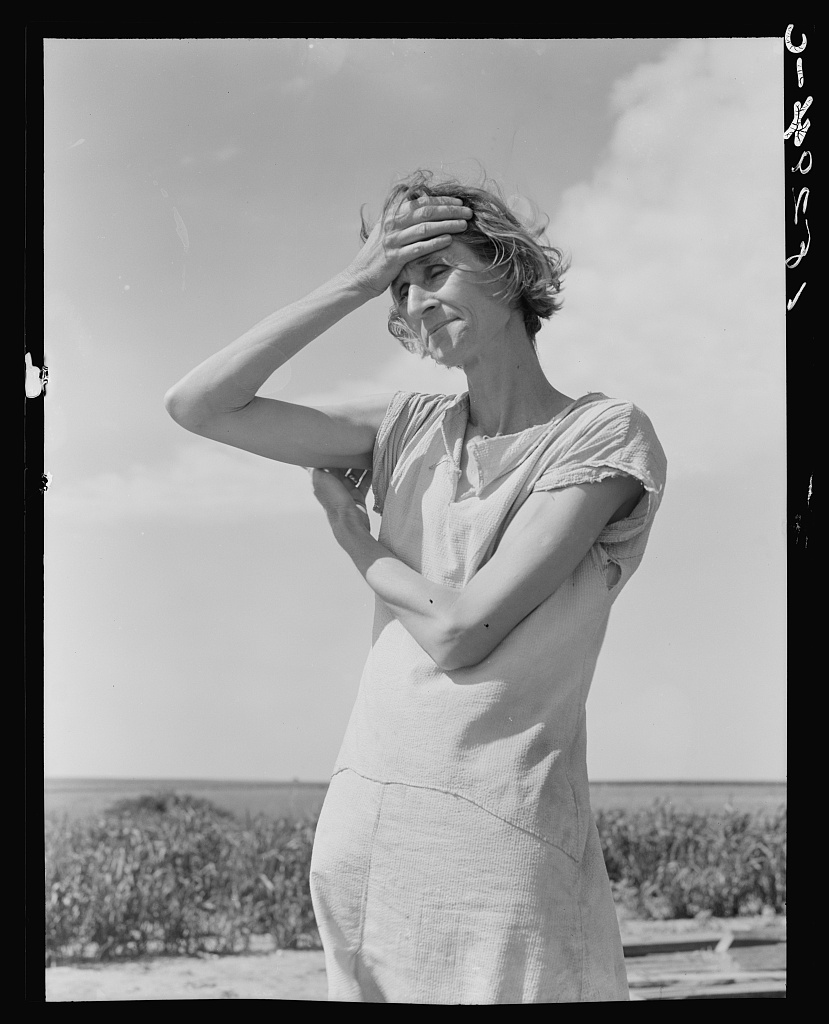
Nettie Featherston, wife of a migratory laborer, near Childress, Texas
Ben Shahn · Farm Security Administration

Children of destitute Ozark mountaineer, Arkansas
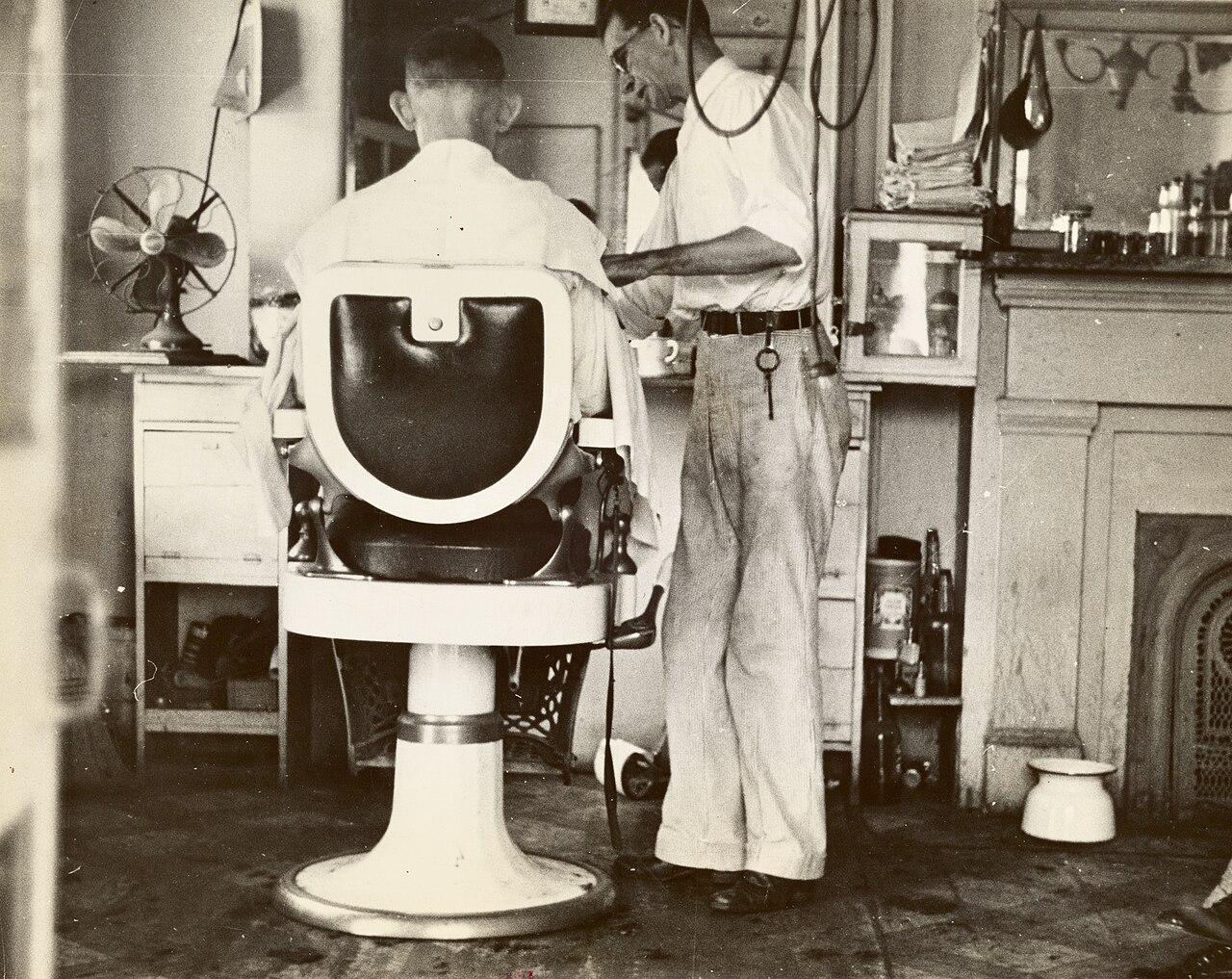
Barber shop interior, New Orleans

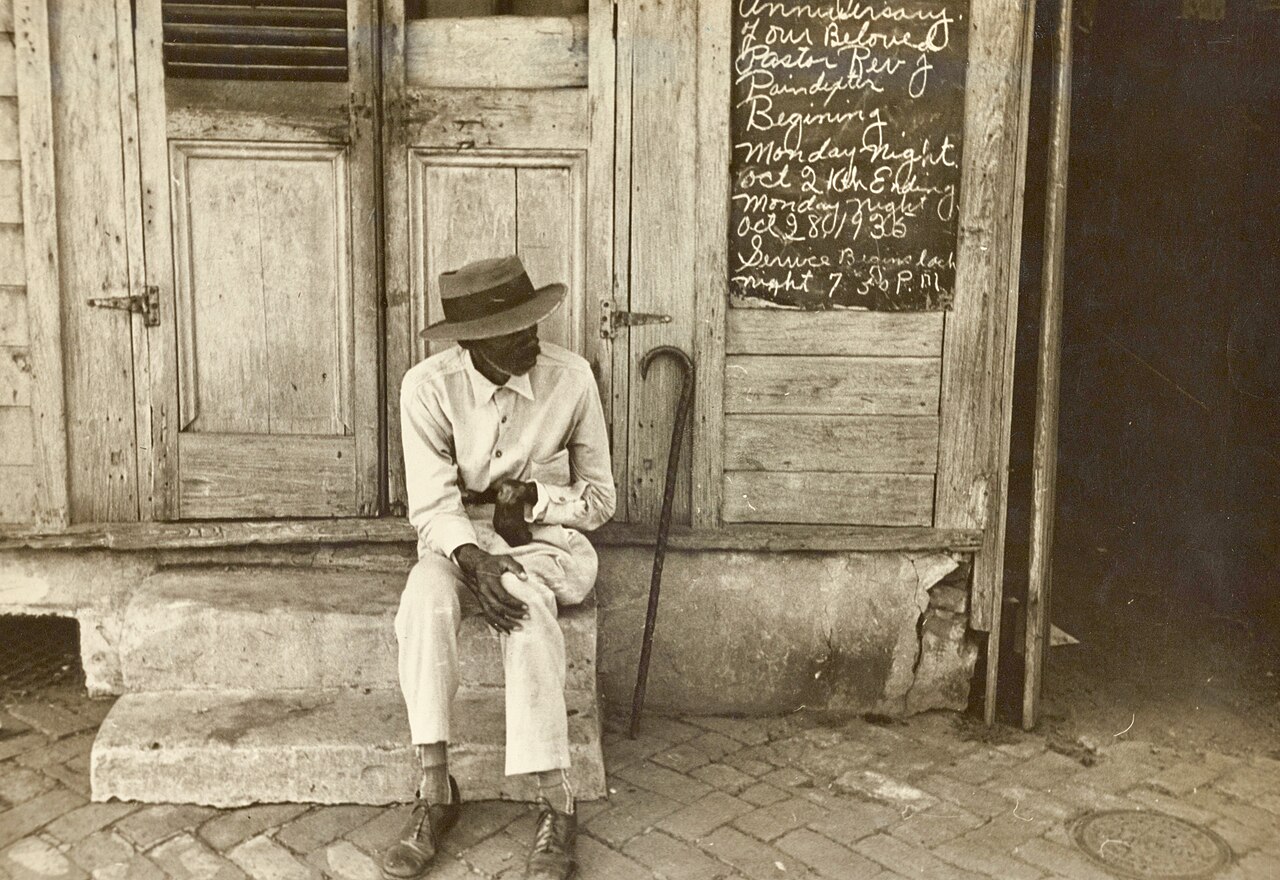
Man sitting on church steps, New Orleans

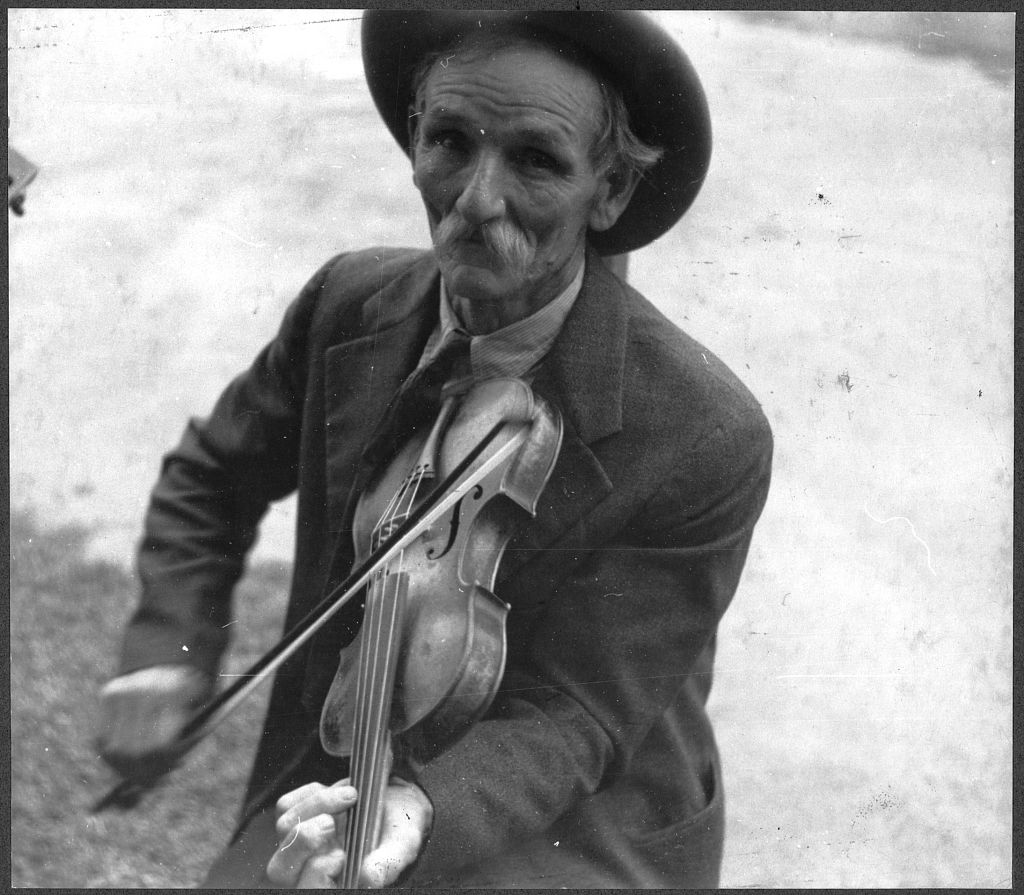
Fiddlin' Bill Hensley, mountain fiddler, Asheville, North Carolina
.jpg)
Russell Lee · Farm Security Administration
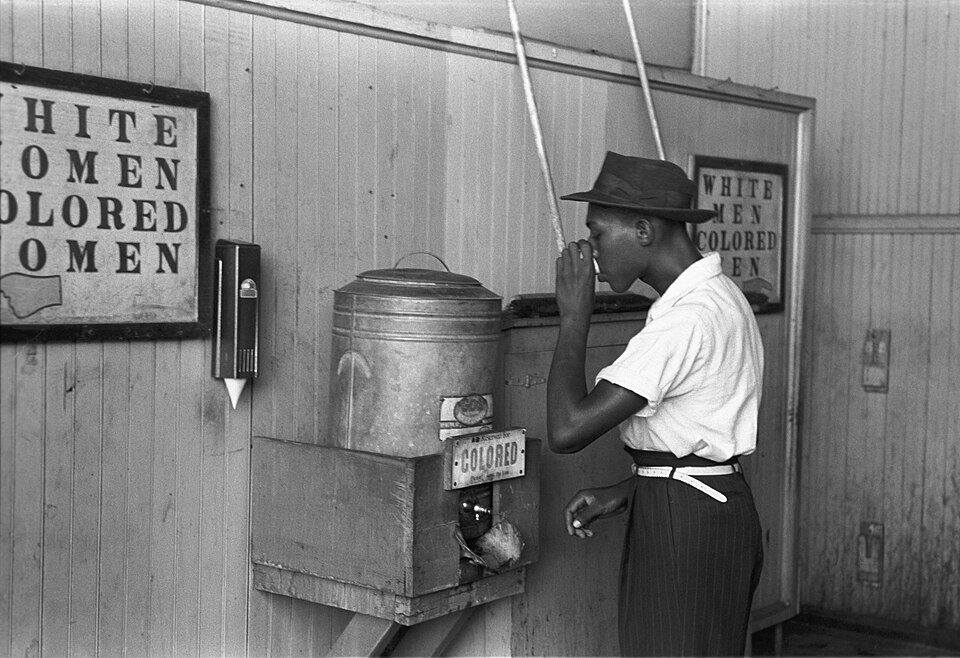
"Colored" drinking fountain, Oklahoma City

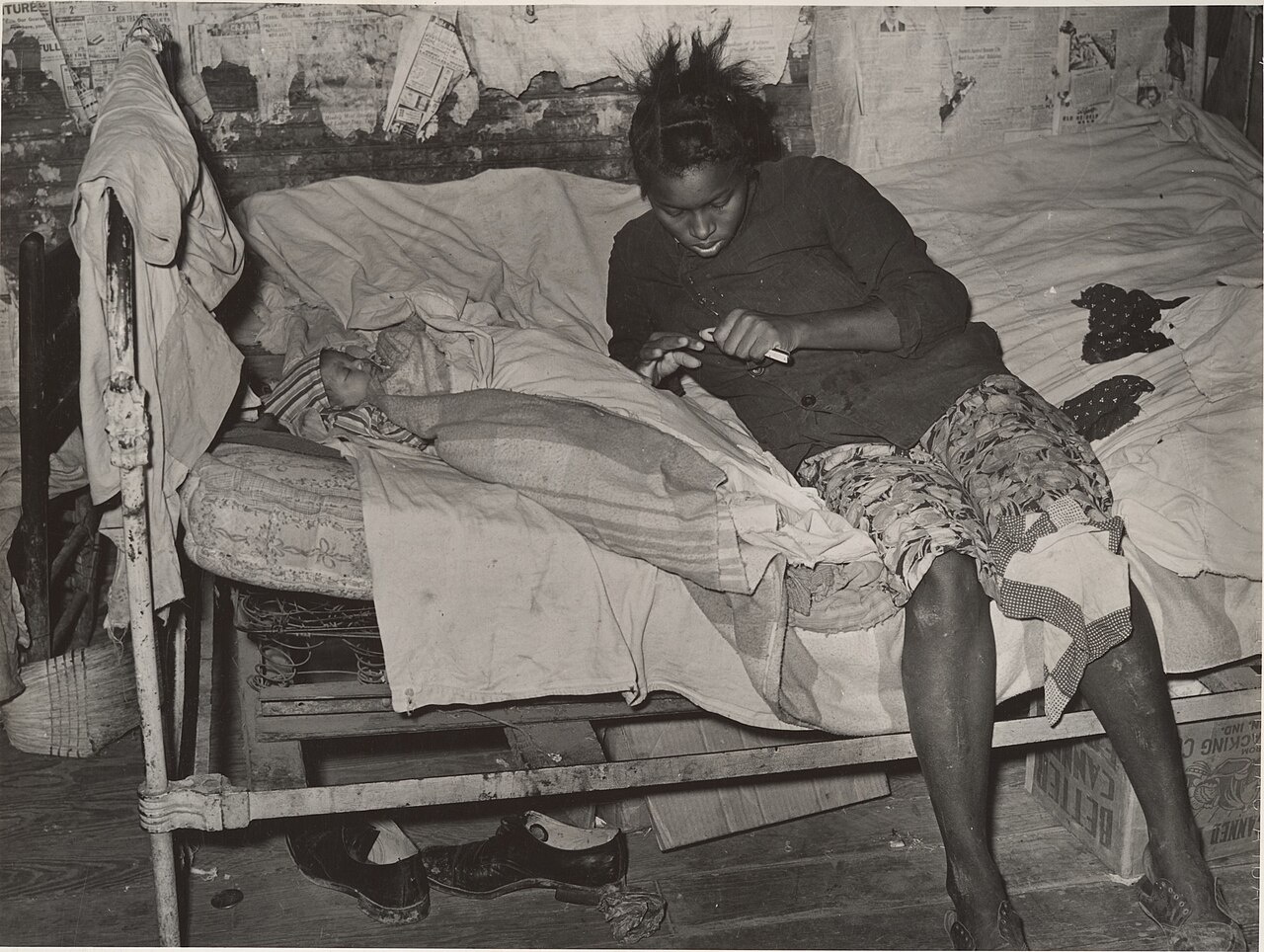
African American mother and child, Jefferson, Texas

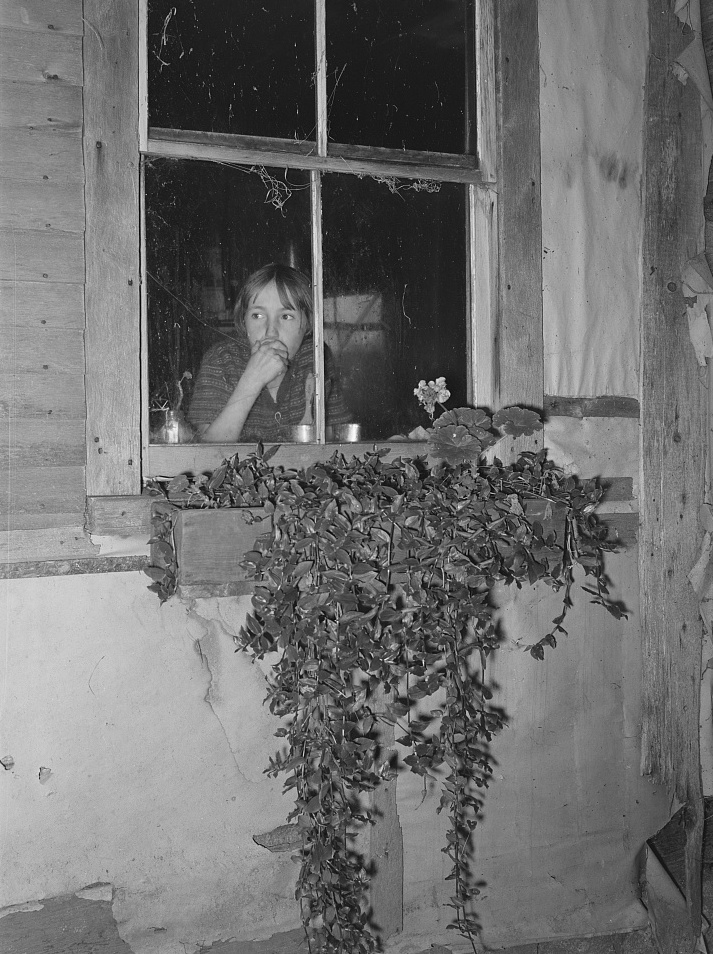
Vermont farm scene

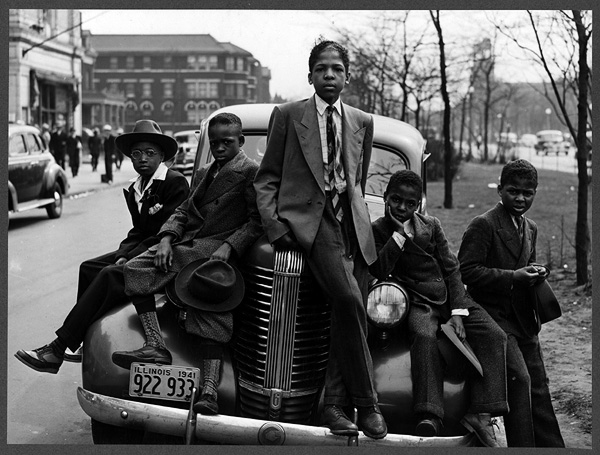
Easter morning on the Southside of Chicago
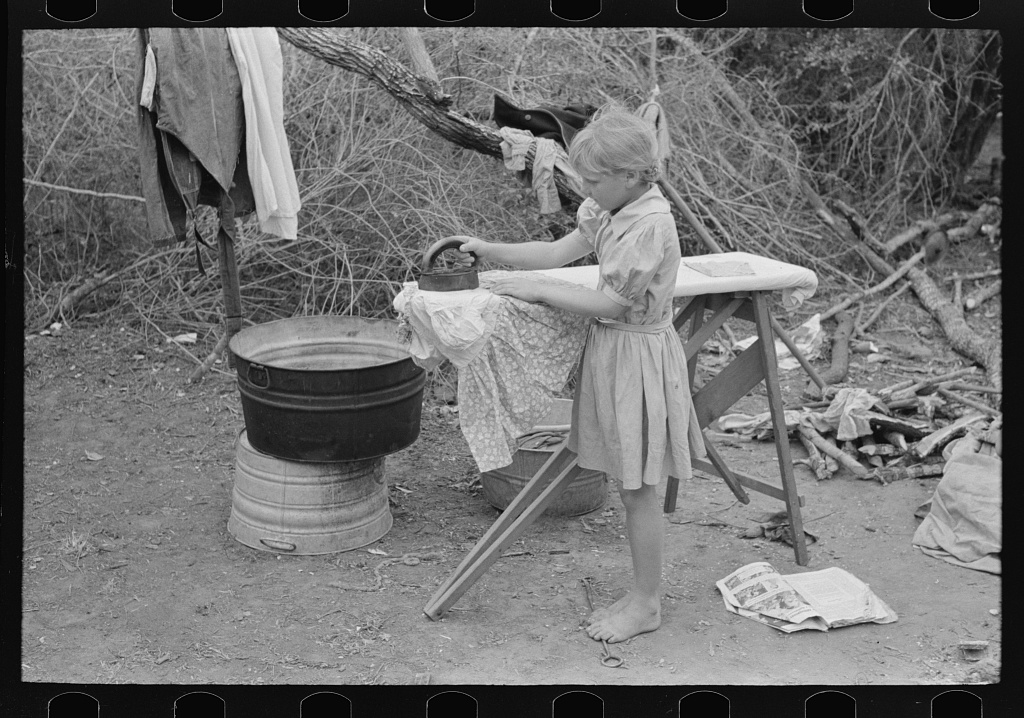
Child of migrant worker ironing in camp, near Harlingen, Texas
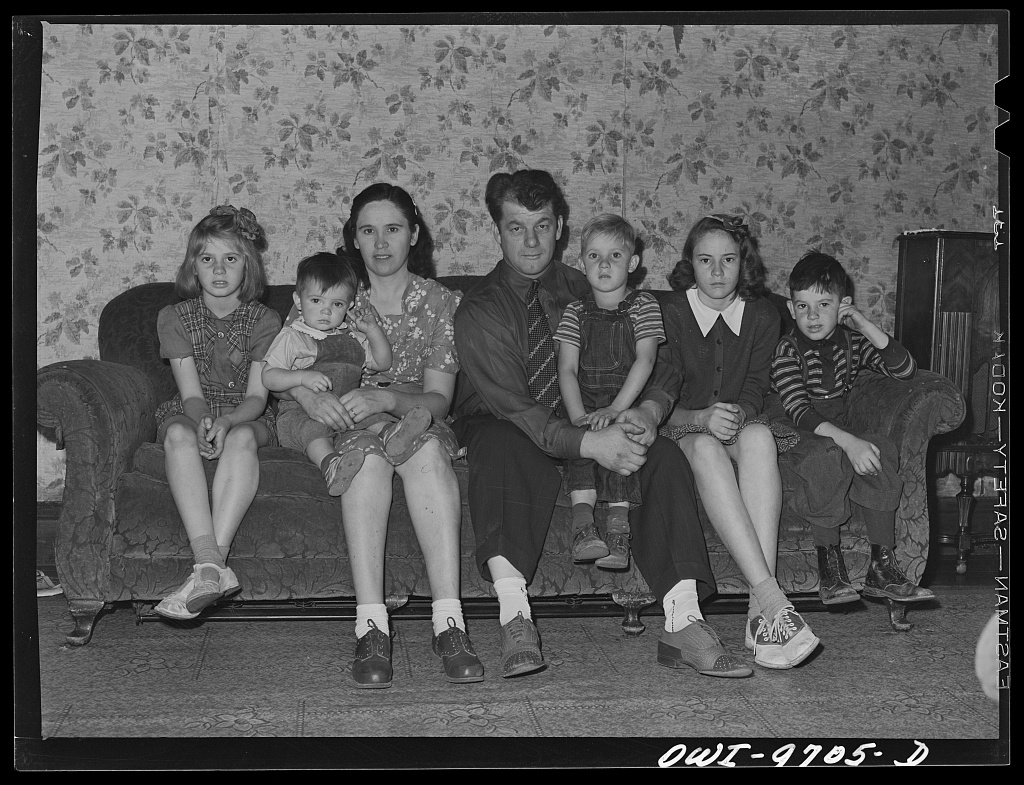
Family of Victor Rauh, miner, Butte, Montana
Jack Delano and John Collier Jr. · Farm Security Administration
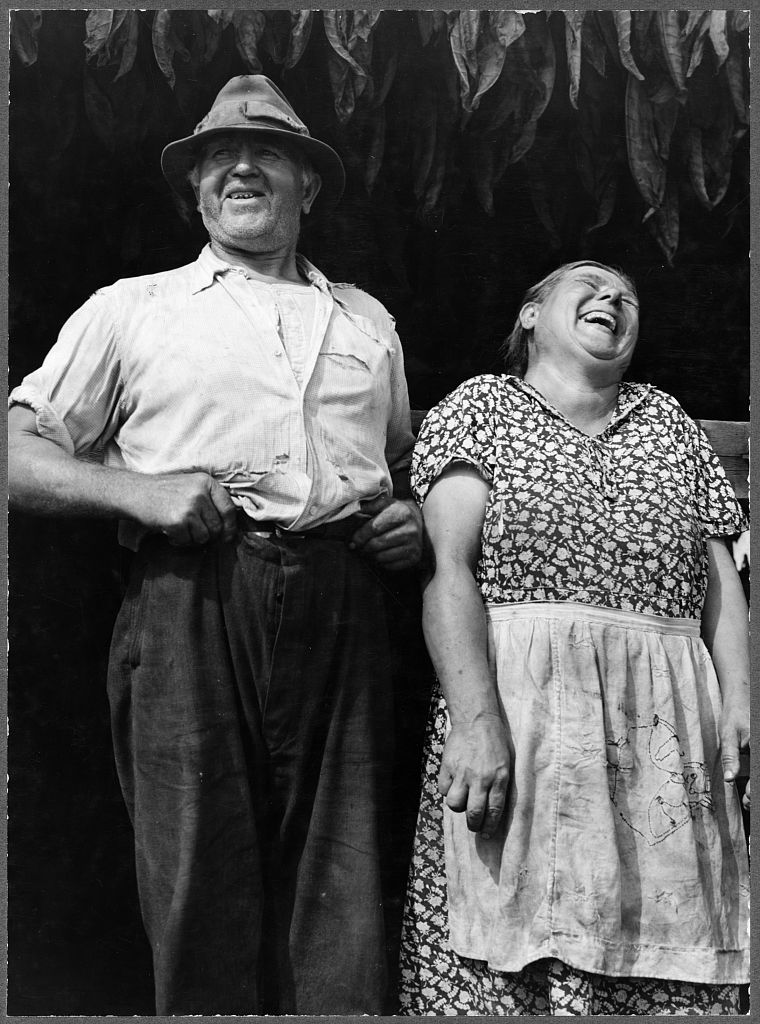
Mr. and Mrs. Andrew Lyman, Polish tobacco farmers, Windsor Locks, Connecticut
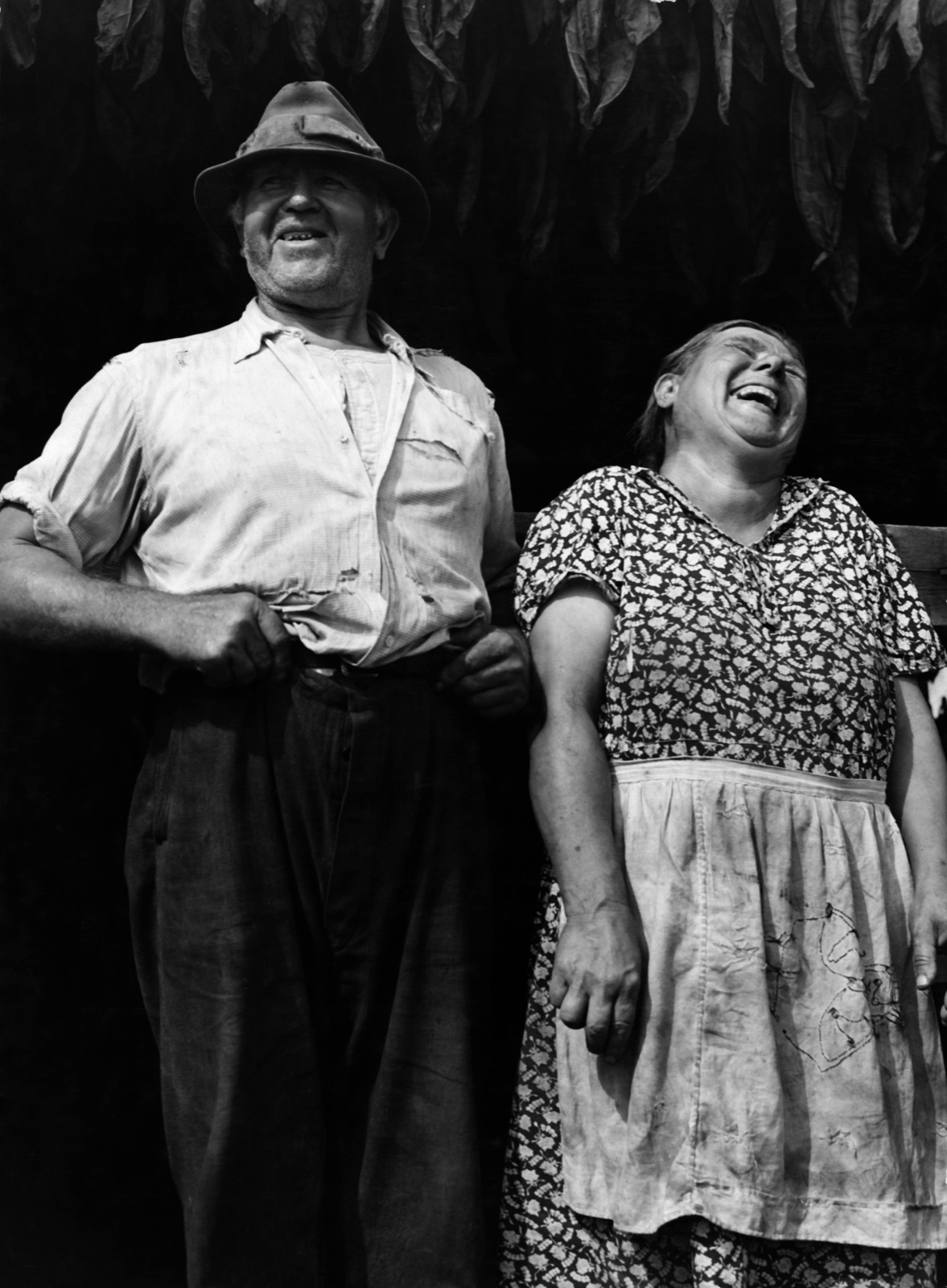
Mr. and Mrs. Andrew Lyman, Polish tobacco farmers (context print)
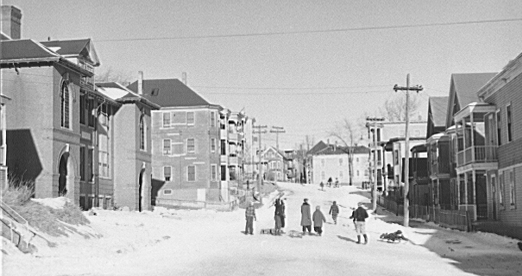
Children sledding, Haverhill, Massachusetts

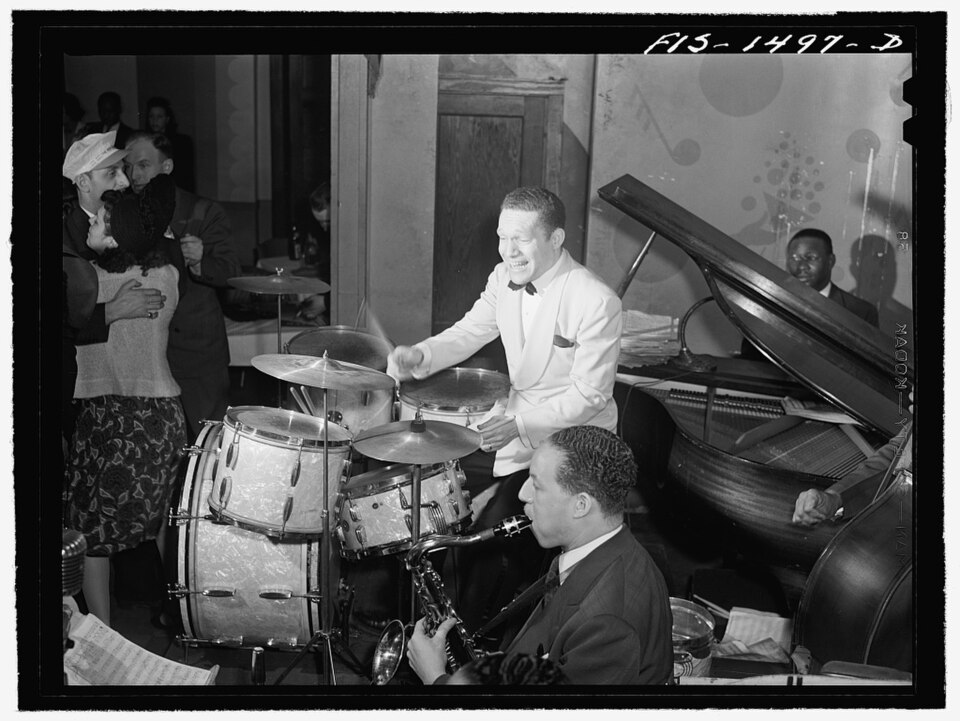
"Red" Saunders and his band, Club DeLisa, Chicago

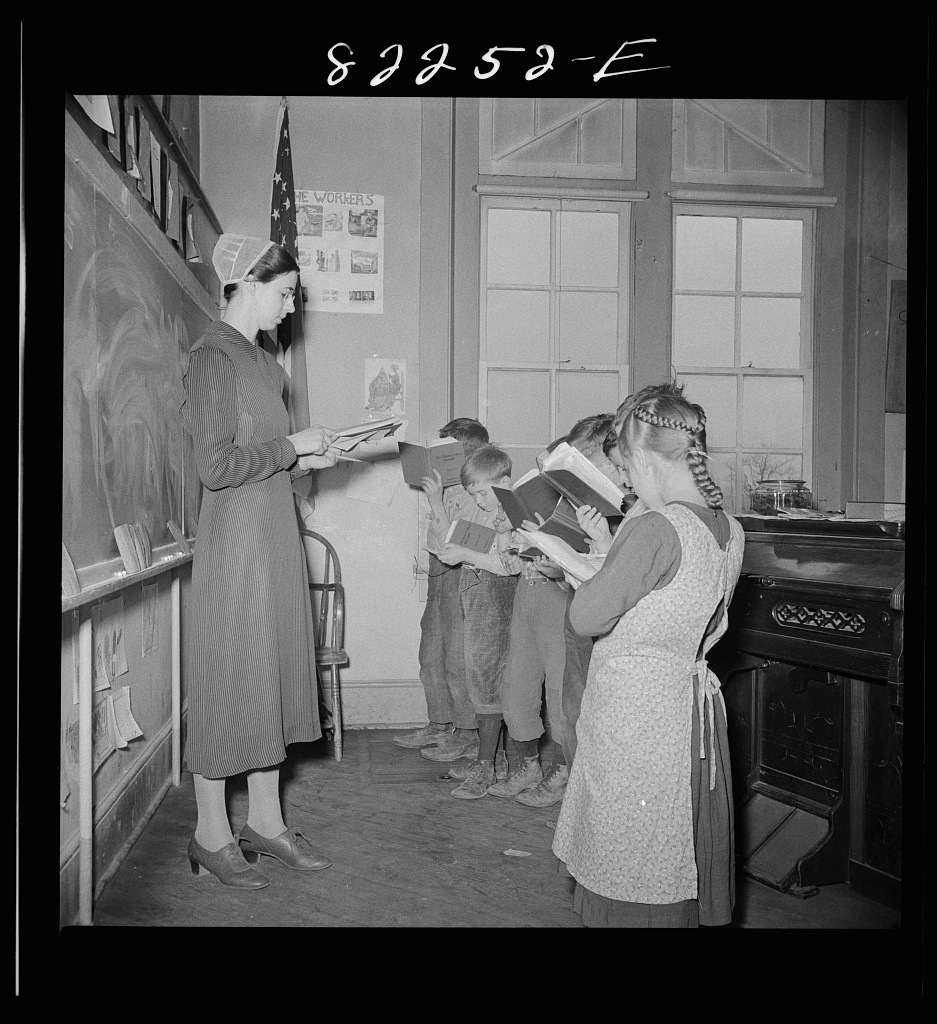
Children and teacher in a Mennonite school, Pennsylvania

Gordon Parks · Farm Security Administration / Office of War Information
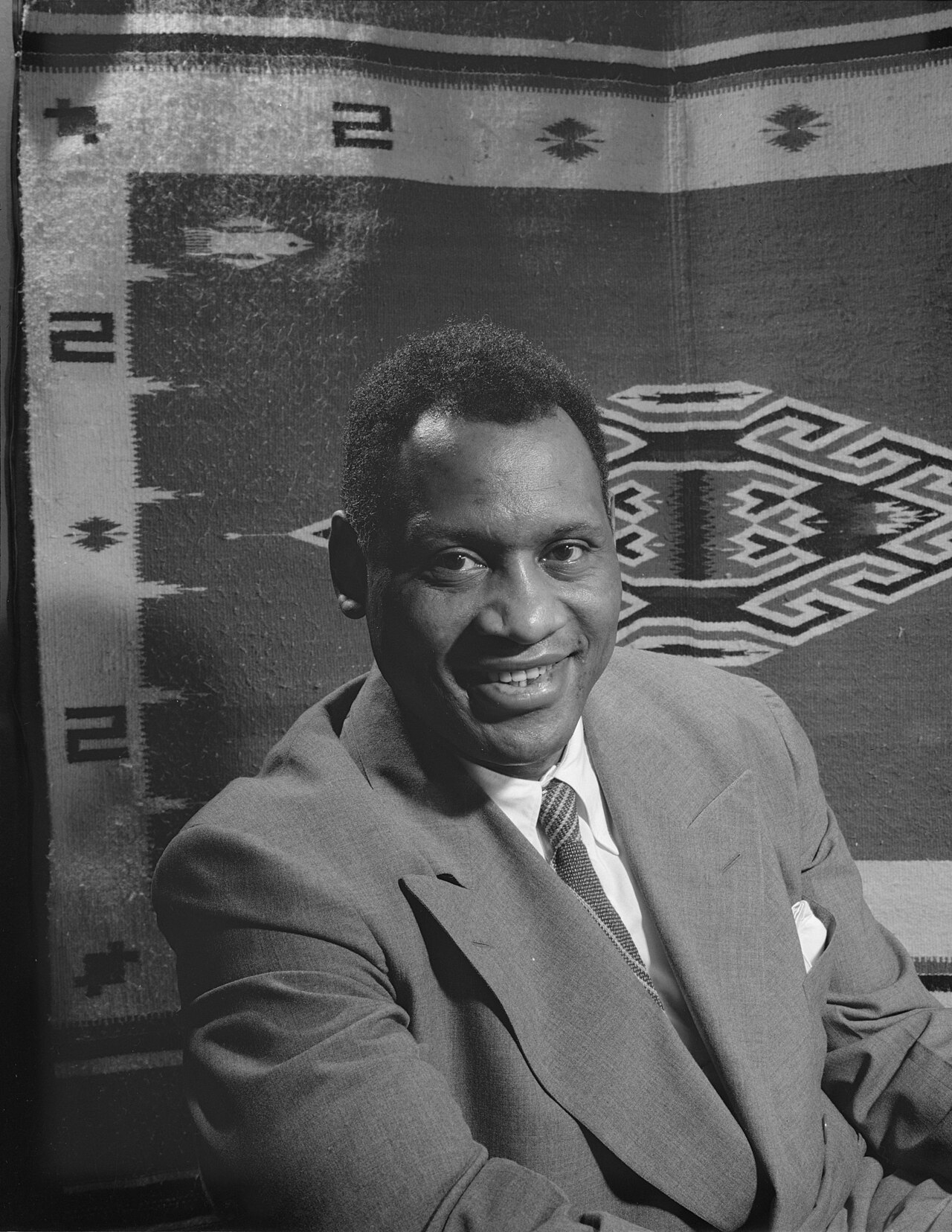
Paul Robeson, baritone and activist

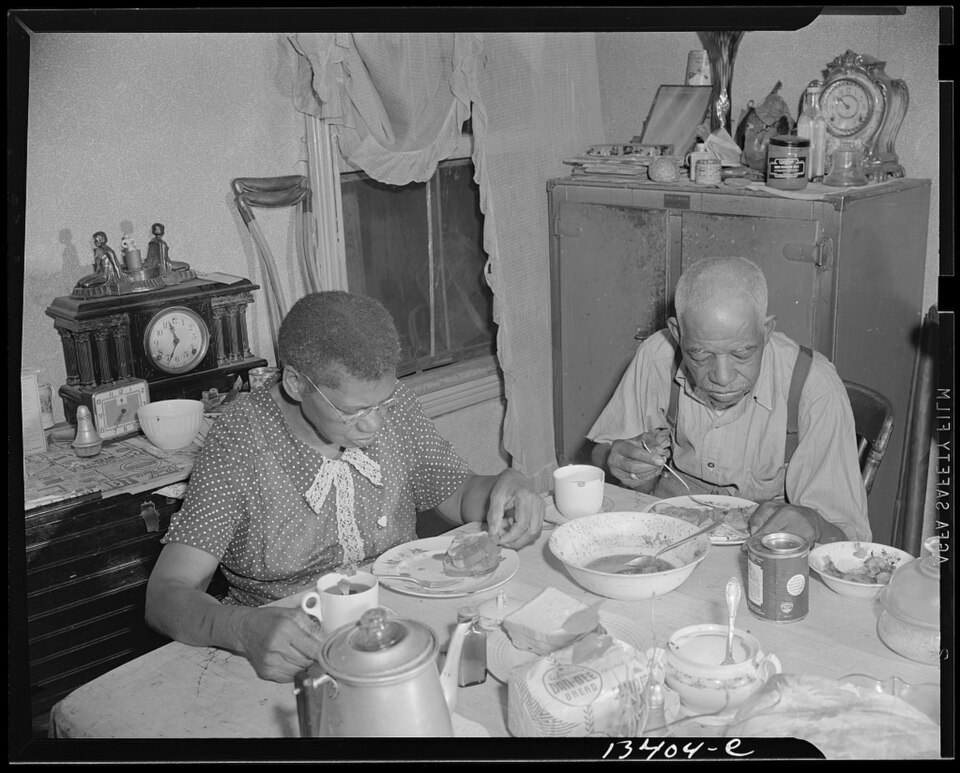
Elderly couple at dinner, Lamont Street, Washington D.C.
.jpg)
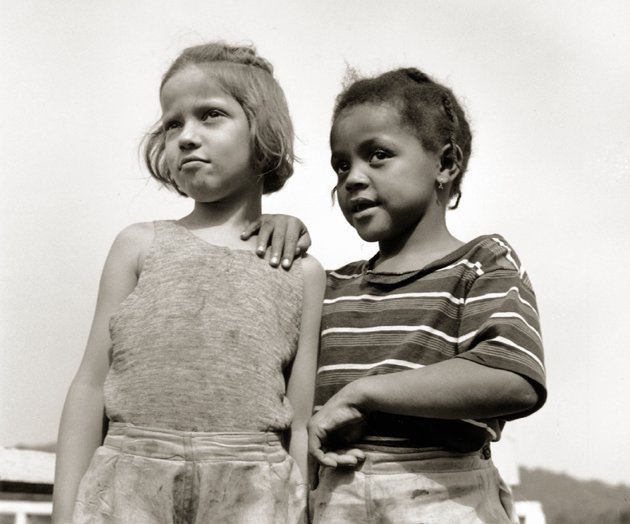
Two young girls at Camp Christmas Seals

Esther Bubley and Marion Post Wolcott · Office of War Information / FSA
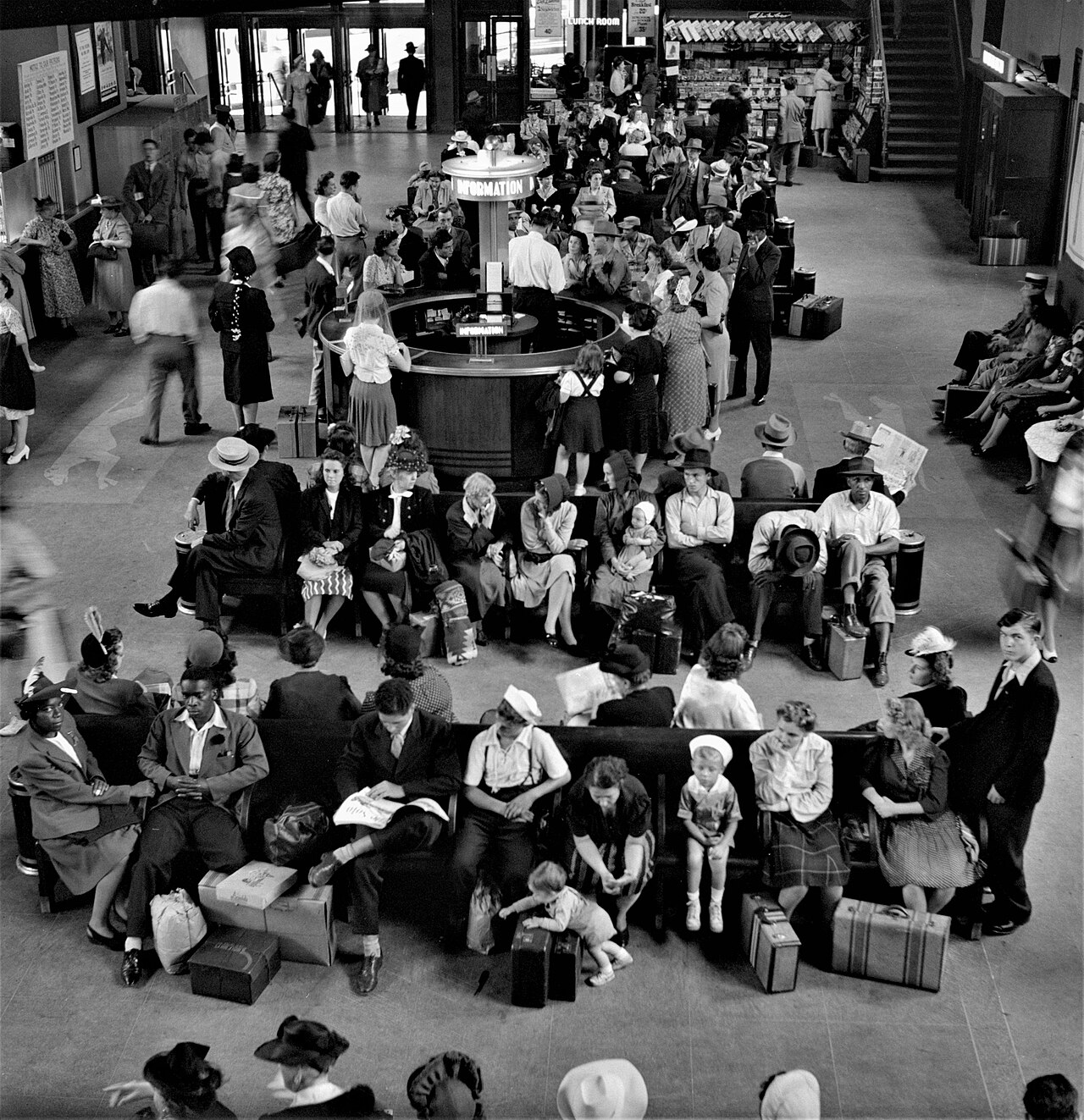
Waiting room, Greyhound bus terminal, Pittsburgh

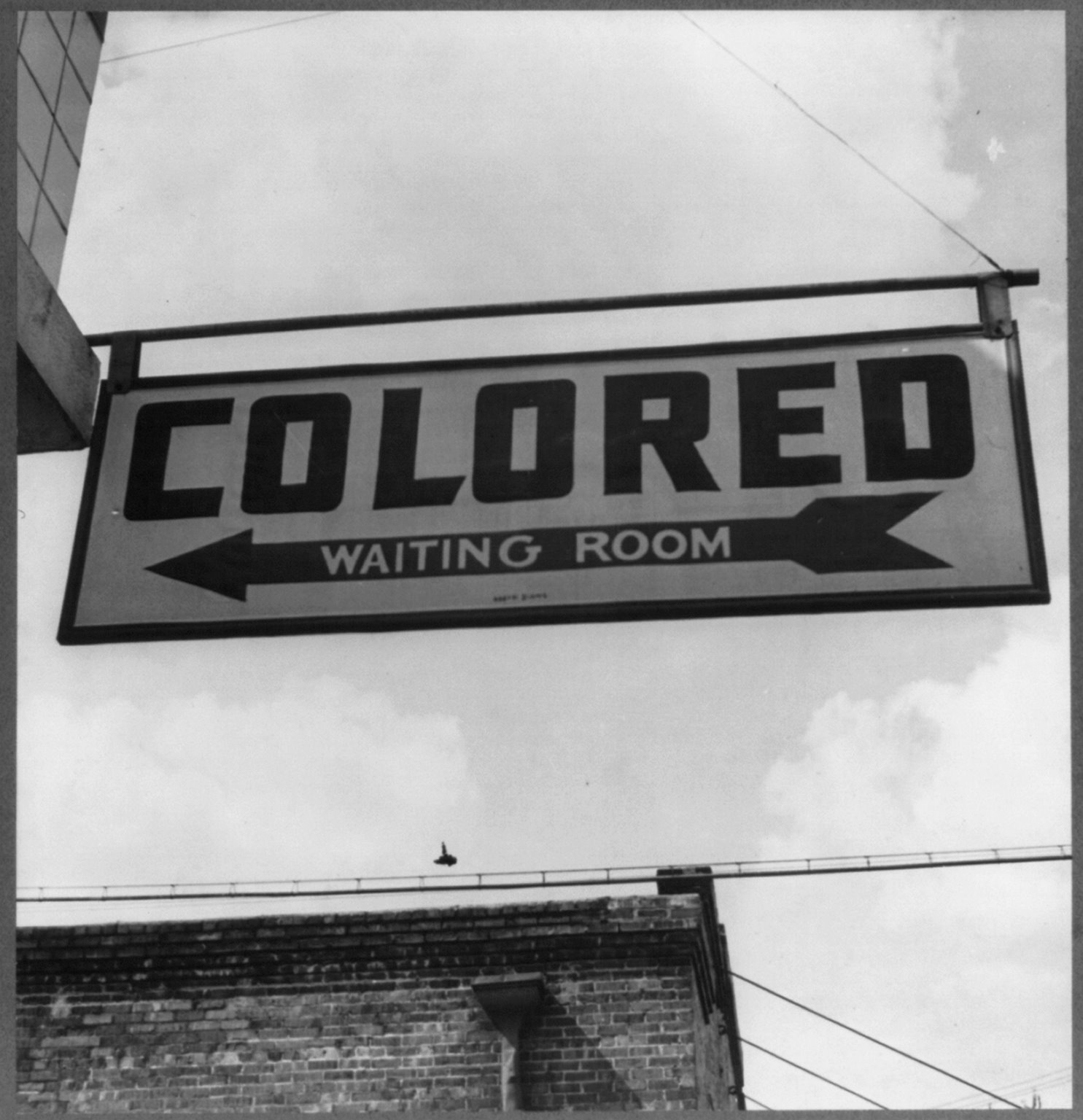
Sign at bus terminal, Rome, Georgia

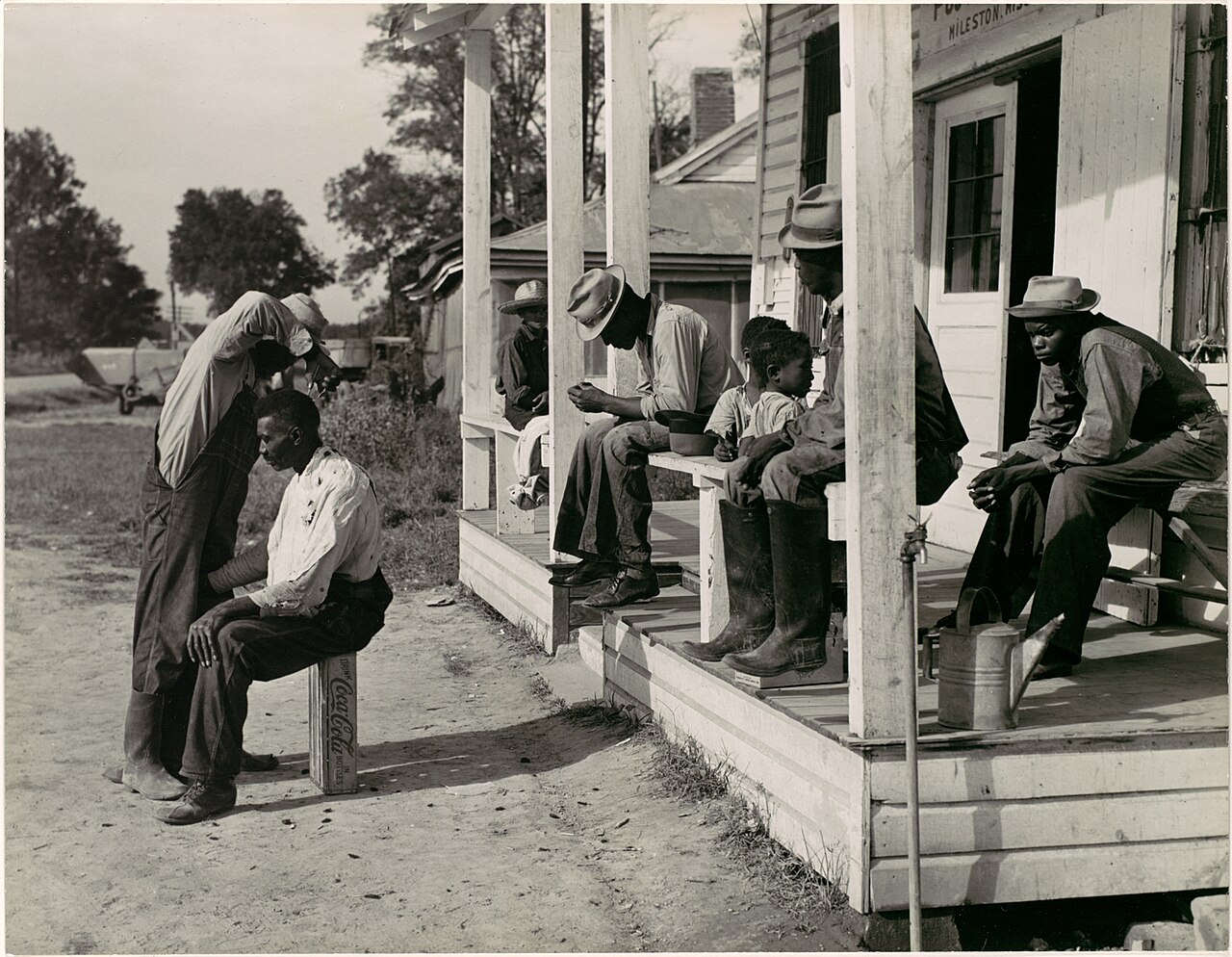
Open-air barber, Mileston, Mississippi

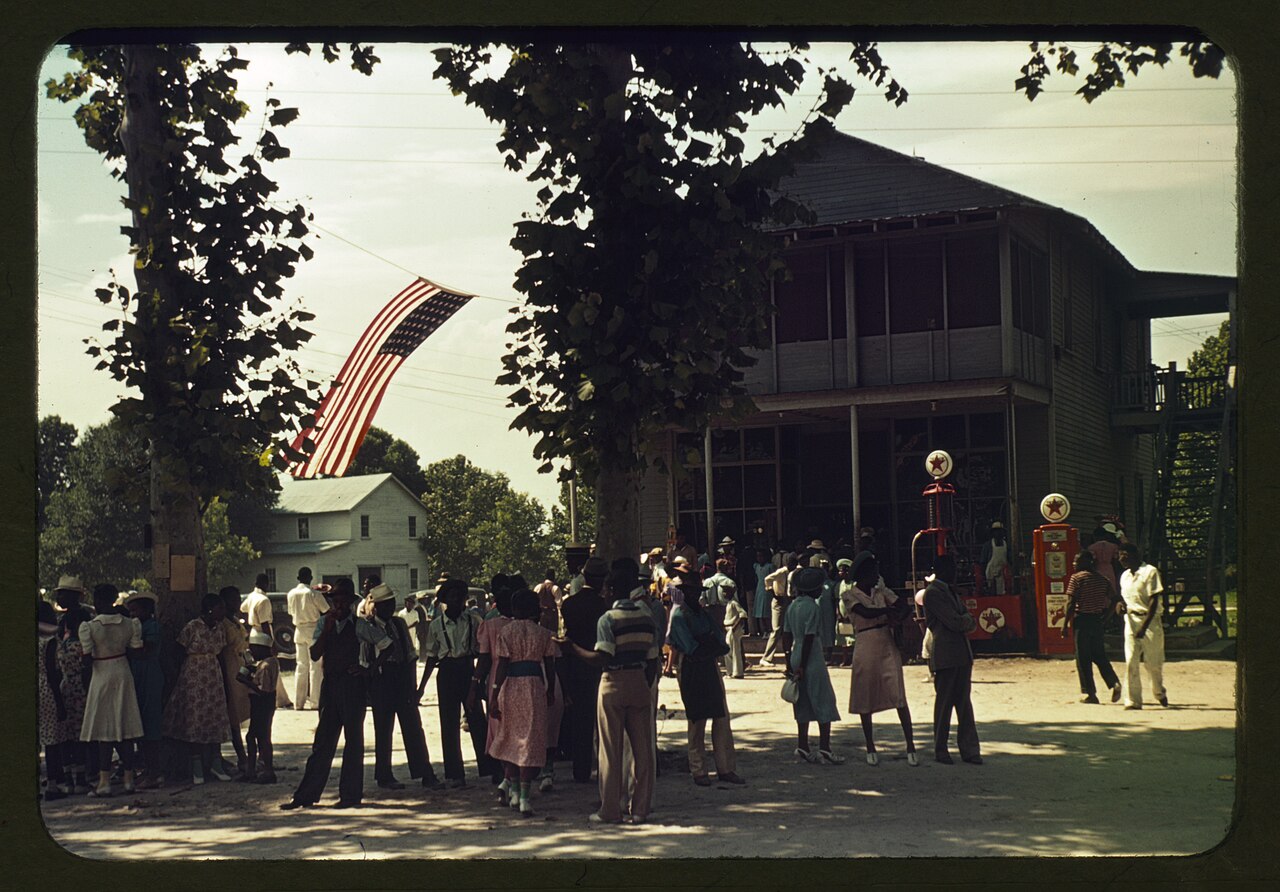
Fourth of July celebration, St. Helena Island, South Carolina

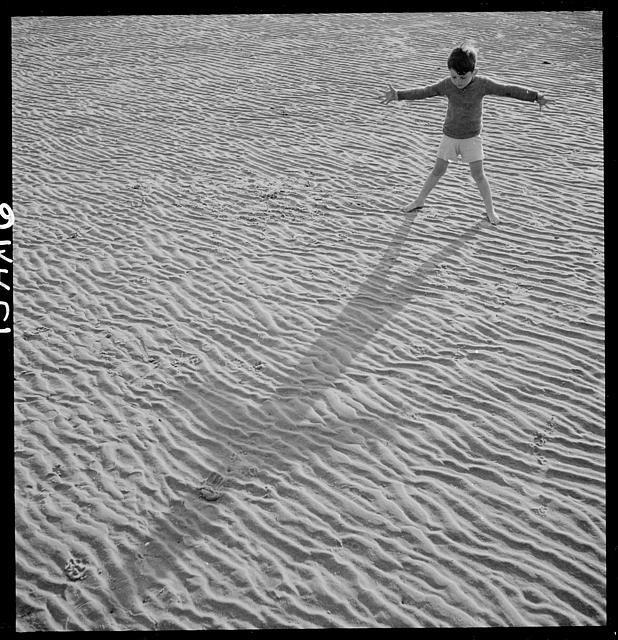
My Shadow, from A Child's Garden of Verses
1952 · The atomic conclusion
The exhibition's final plate — the show's narrative climax — was a large-format hydrogen-bomb image credited to the Atomic Energy Commission. This sourced plate corresponds to Operation Ivy, the first U.S. thermonuclear test at Enewetak Atoll, Marshall Islands. All U.S. federal government images are public domain (PD-USGov).
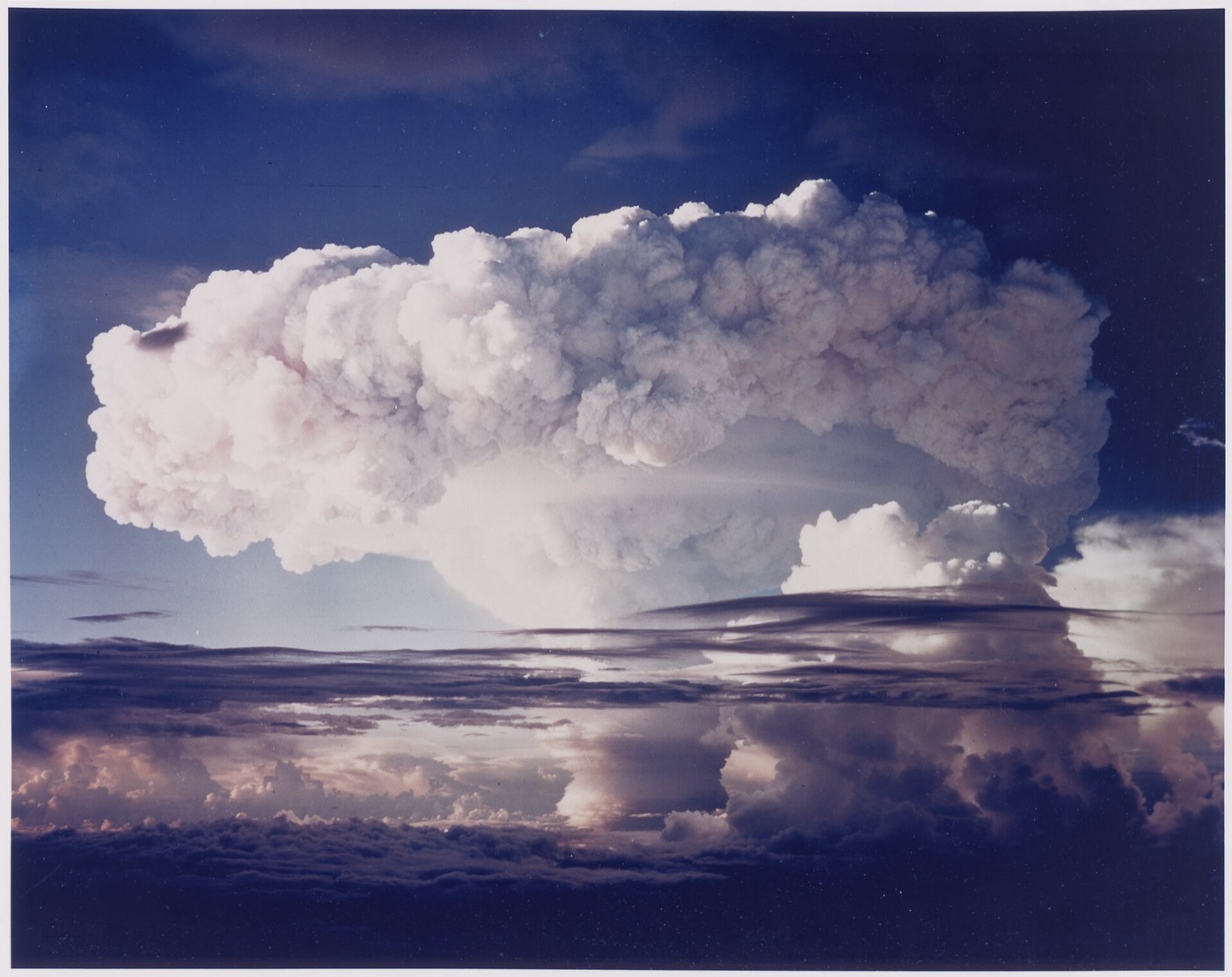
Operation Ivy, Mike shot — mushroom cloud, Enewetak Atoll
1943 – 1945 · The Naval Aviation Photographic Unit
The crucible where Steichen — by then in his sixties — built the curatorial method that The Family of Man would inherit. Steichen commanded the unit; Wayne Miller served under him as a combat photographer; both would later collaborate on the 1955 exhibition.
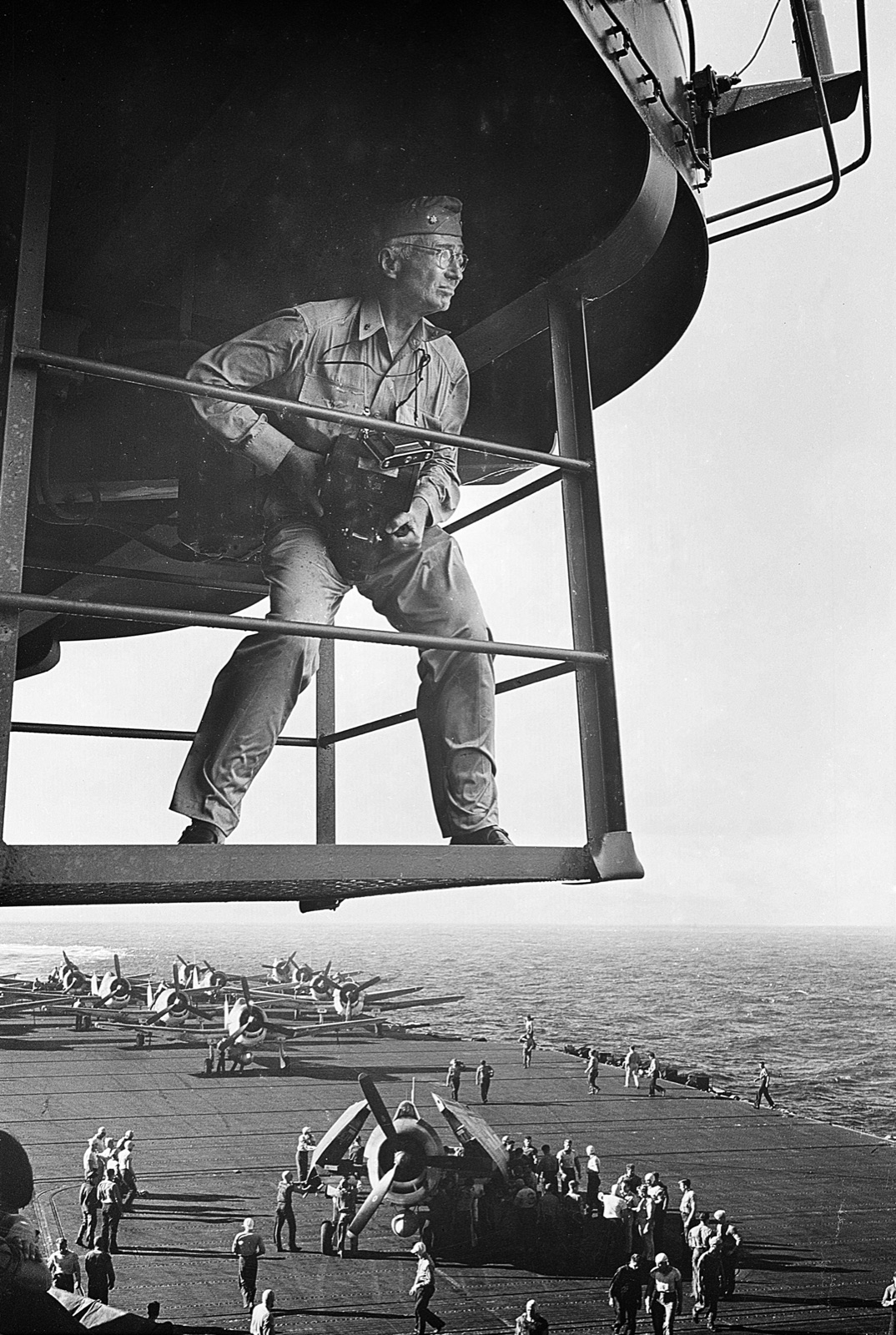
Cmdr Steichen above the deck of USS Lexington

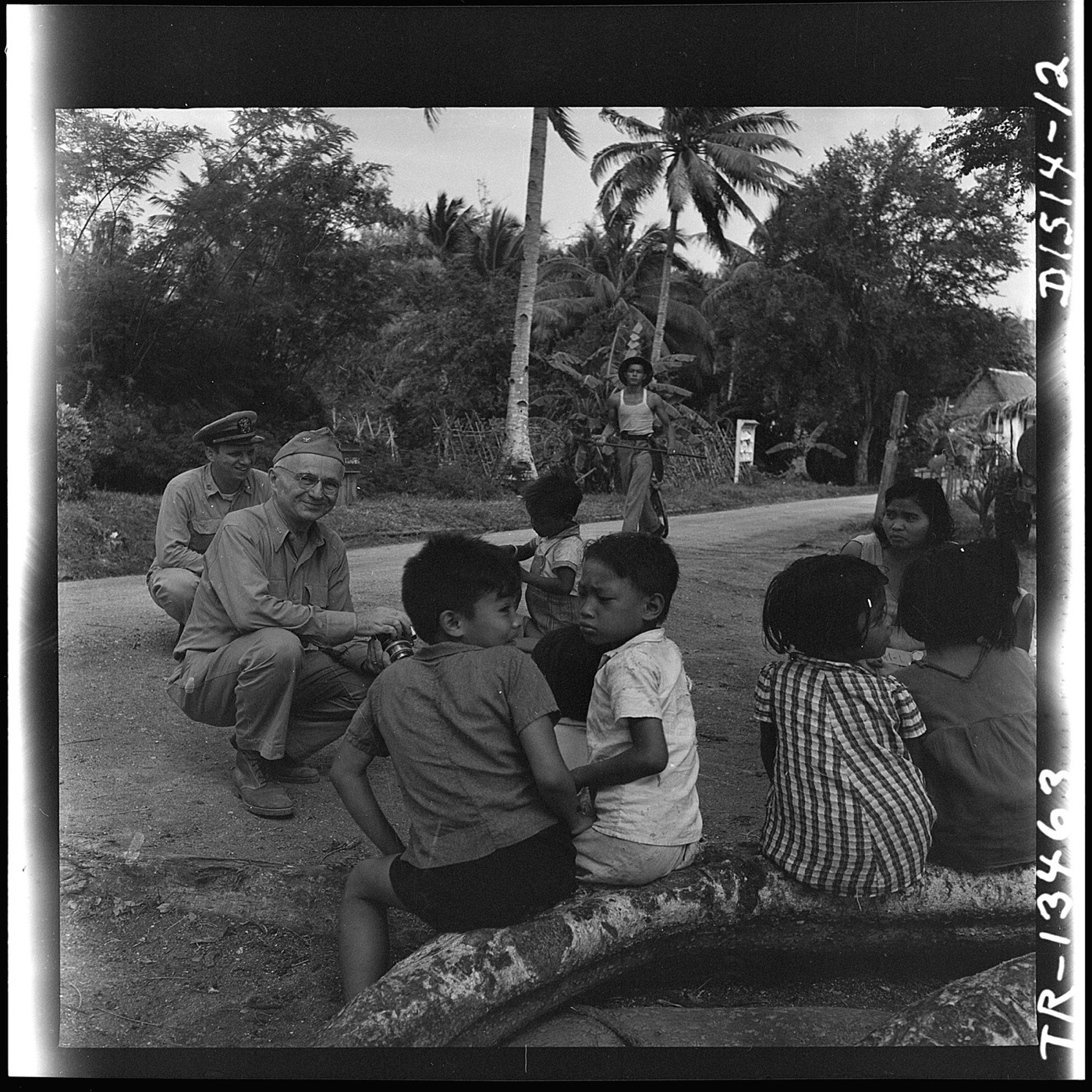
Capt. Steichen photographing children on Guam

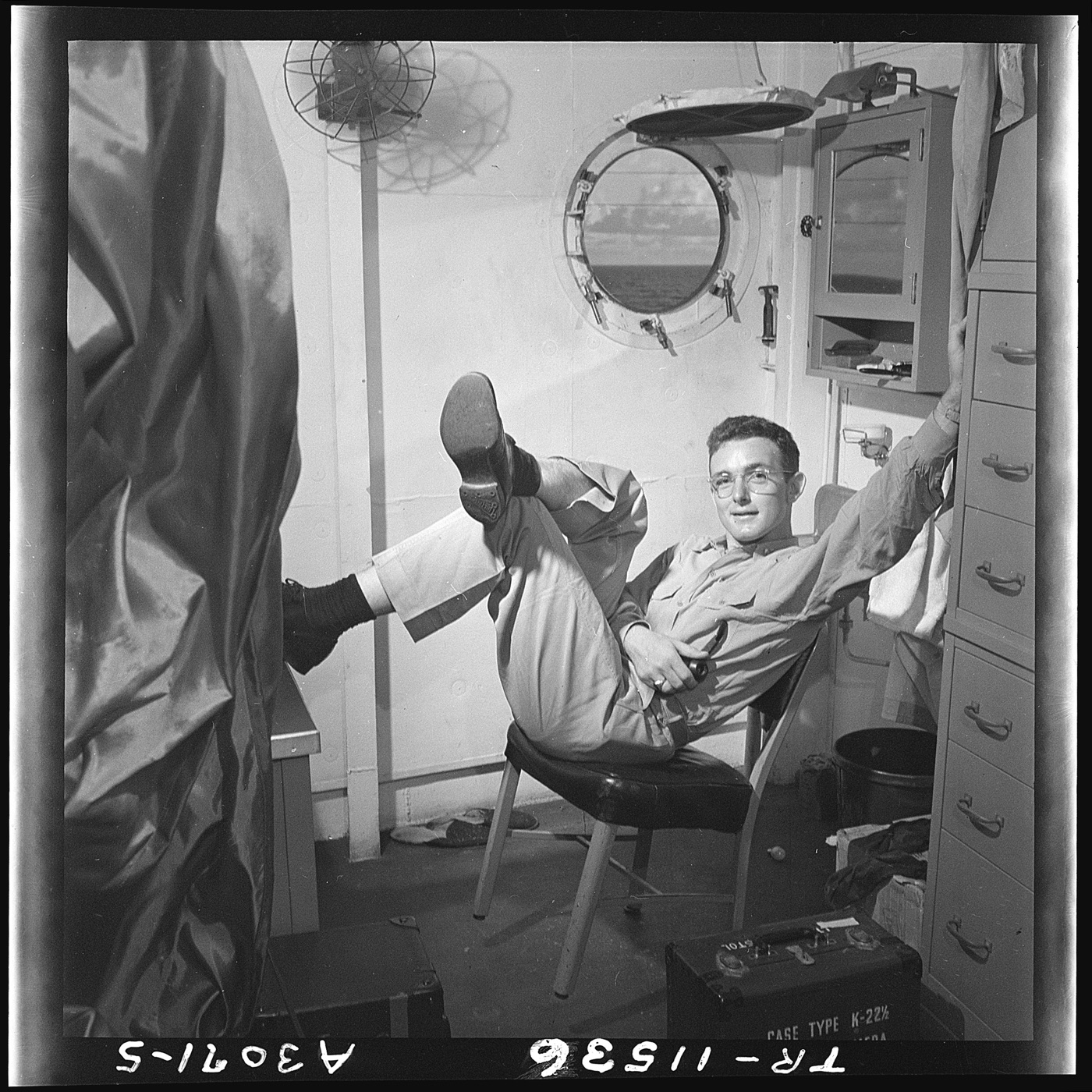
Lt. Wayne Miller aboard USS Ticonderoga
1948 – 1961 · The exhibition and its tour
Surviving NARA / USIA installation photographs capturing how Paul Rudolph's 1955 design was re-fabricated for the world tour — five "Lay-out" variants and two "Opening Day" variants — plus Carl Sandburg, author of the prologue distributed as a leaflet to every visitor, a tour-edition image of schoolchildren in the show, and the MoMA premiere venue. All installation photographs are U.S. federal-government works (Department of State / Agency for International Development).
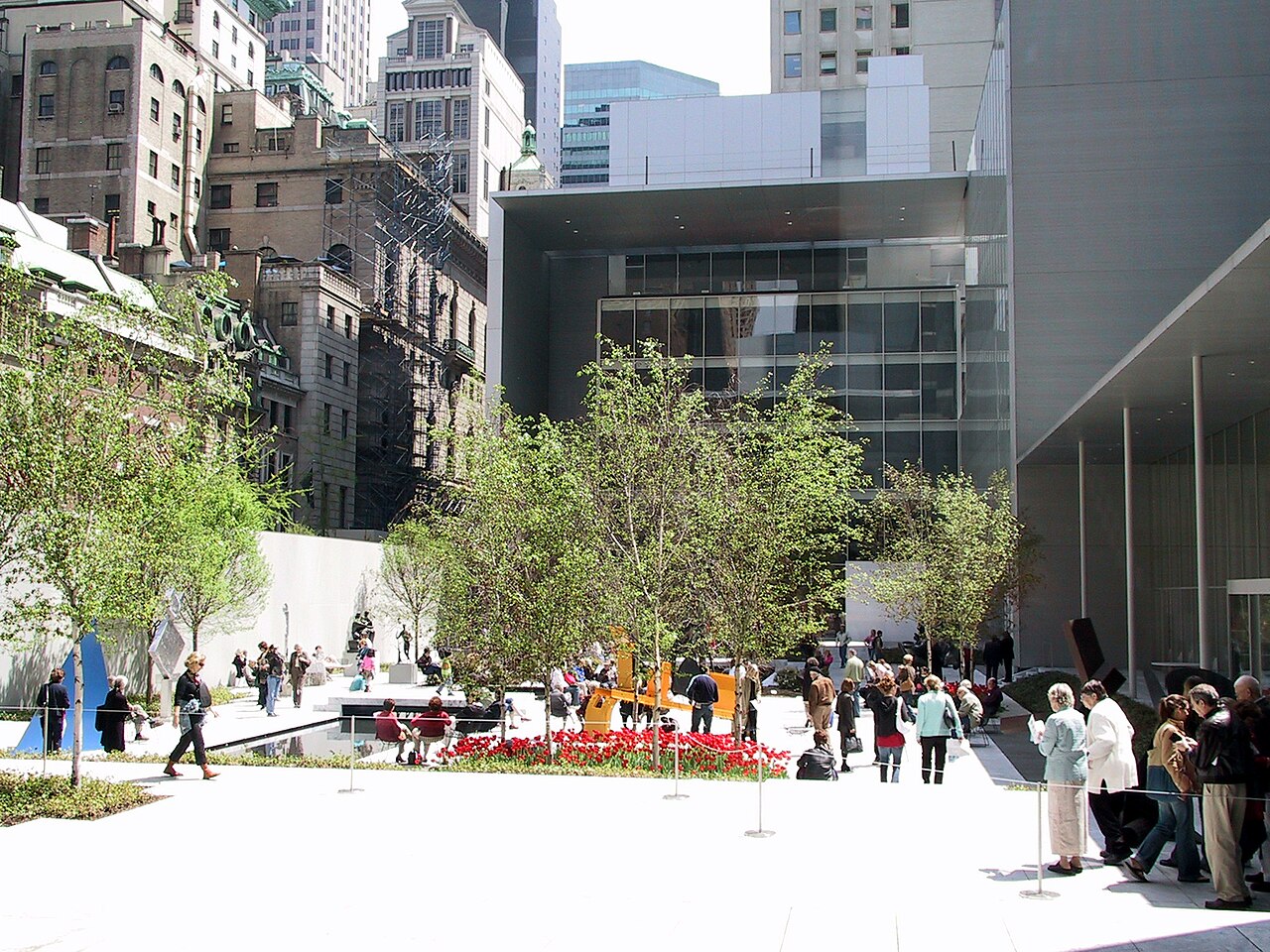
Museum of Modern Art, New York City — premiere venue, January 1955

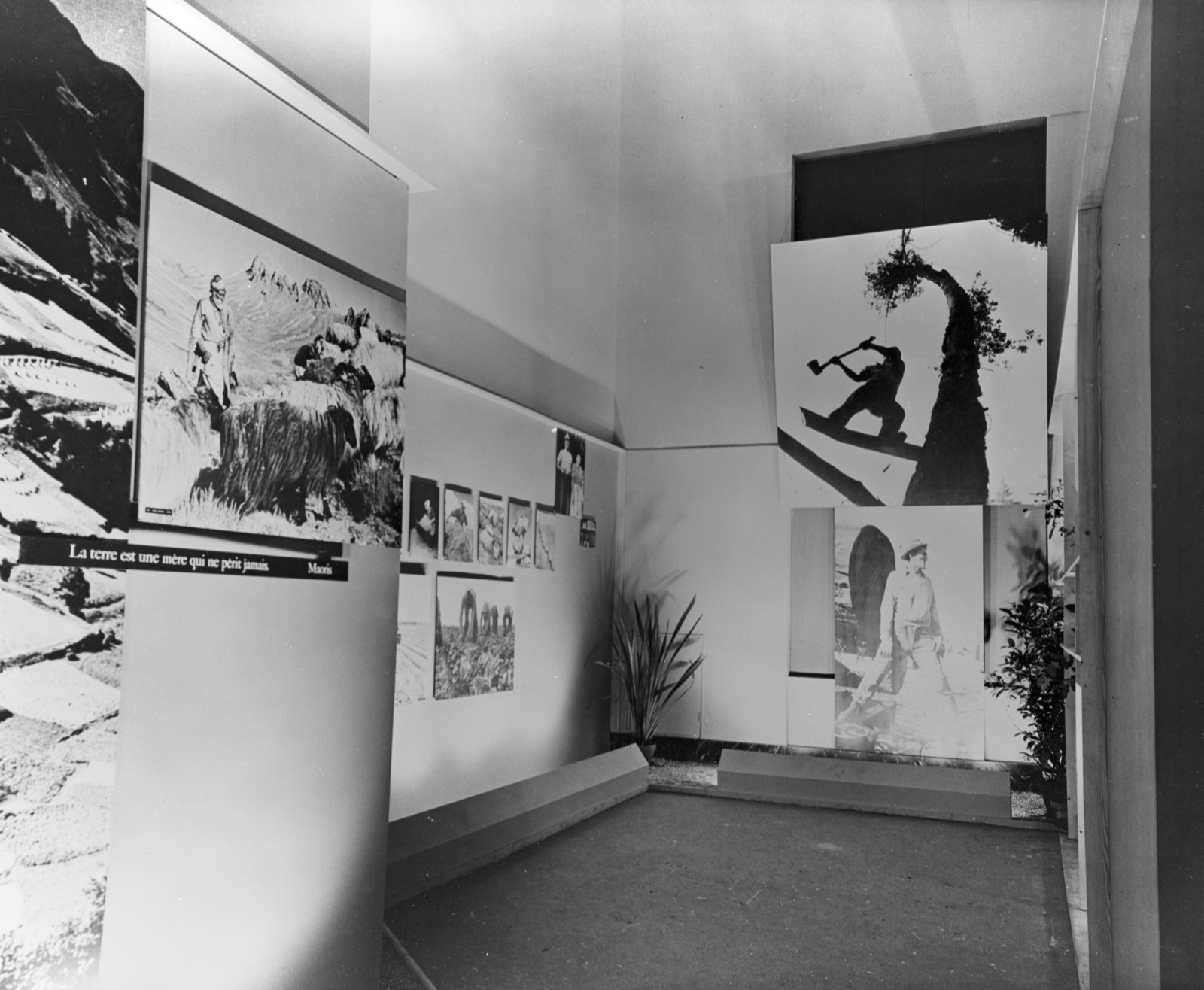
Tour-edition installation: Rudolph's design re-fabricated by USIA
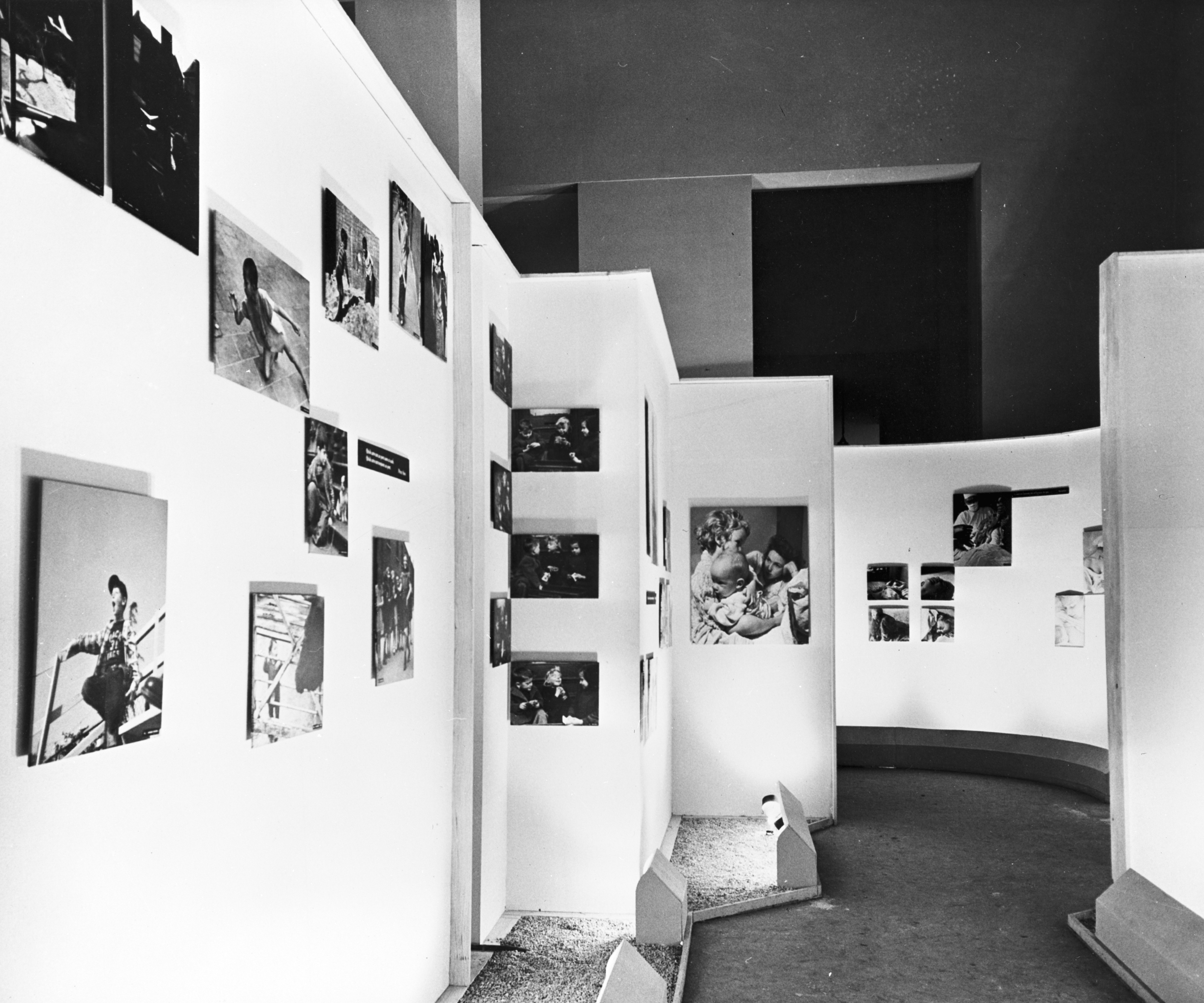
Tour-edition installation: another venue

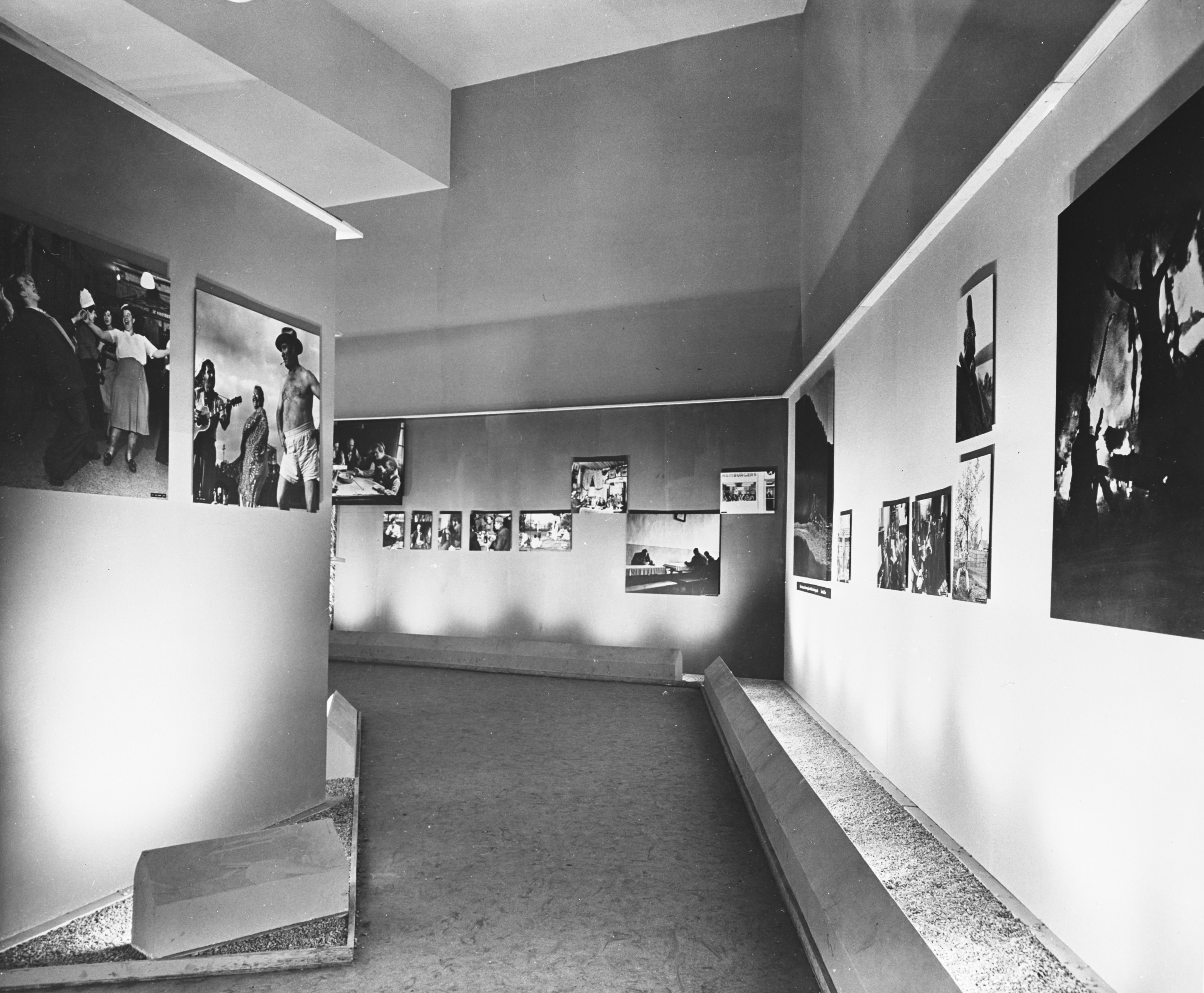
Tour-edition installation: another venue

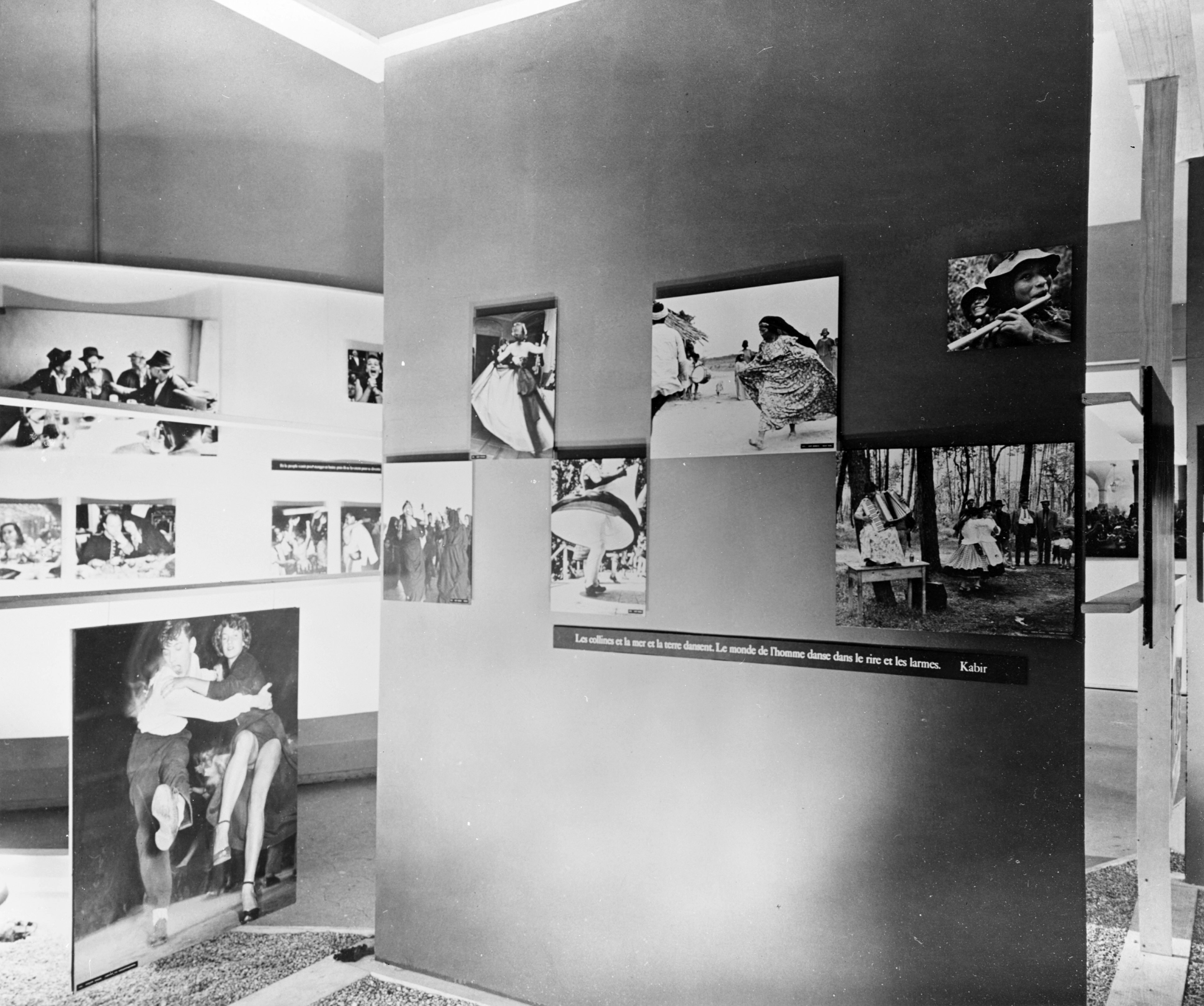
Tour-edition installation: another venue

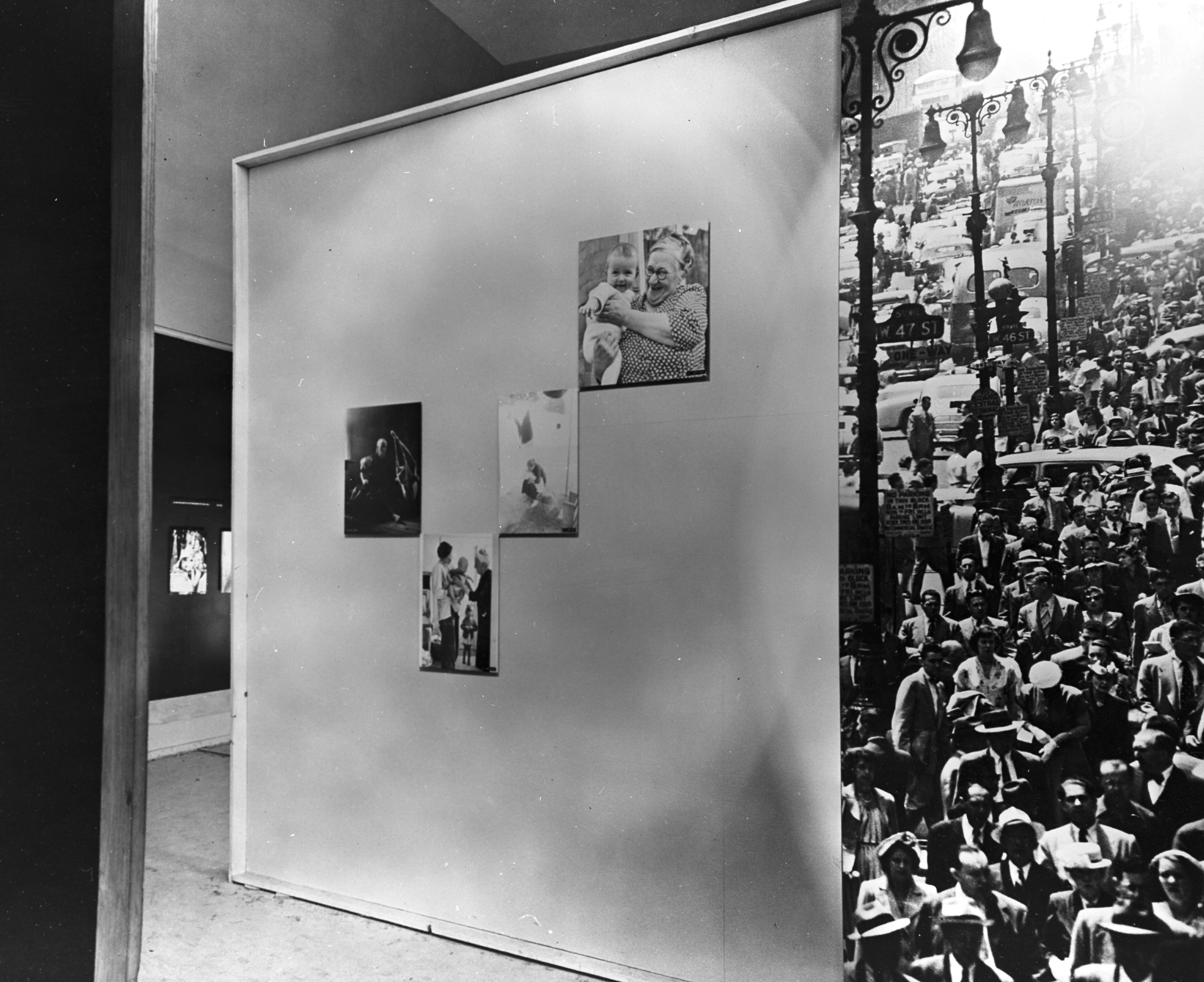
Tour-edition installation: another venue

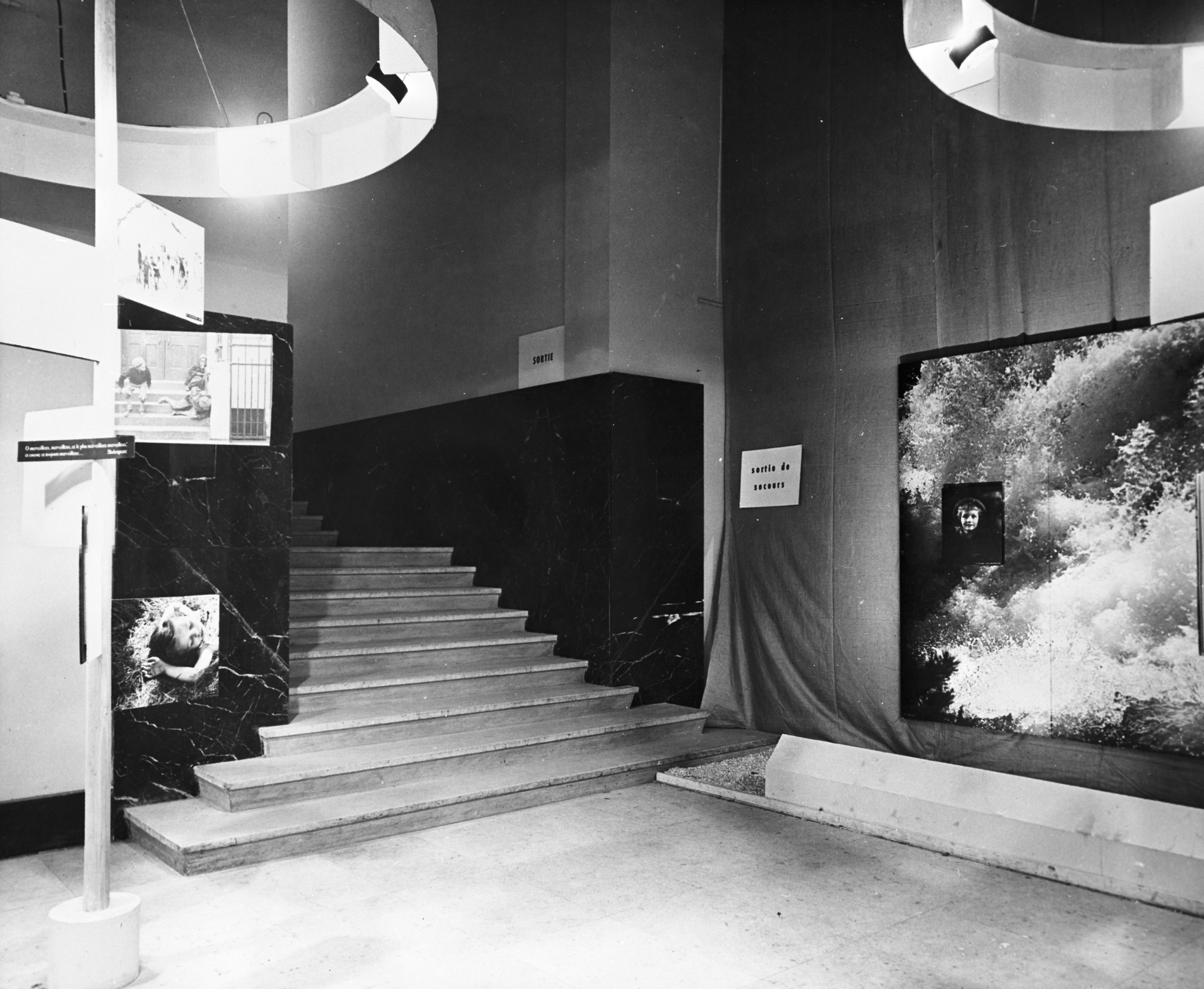
Tour-edition installation: another venue

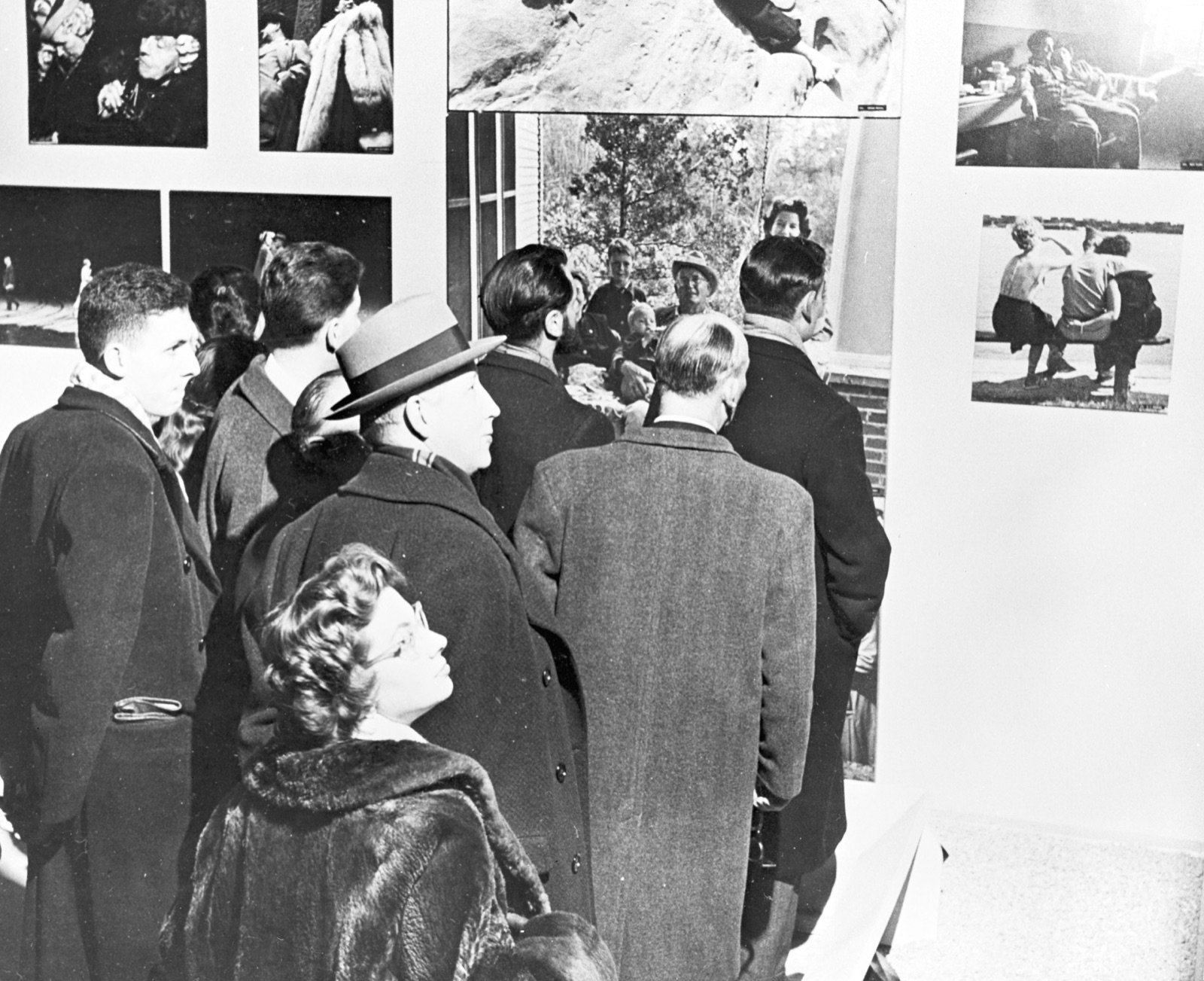
Tour-edition installation: "Opening Day"
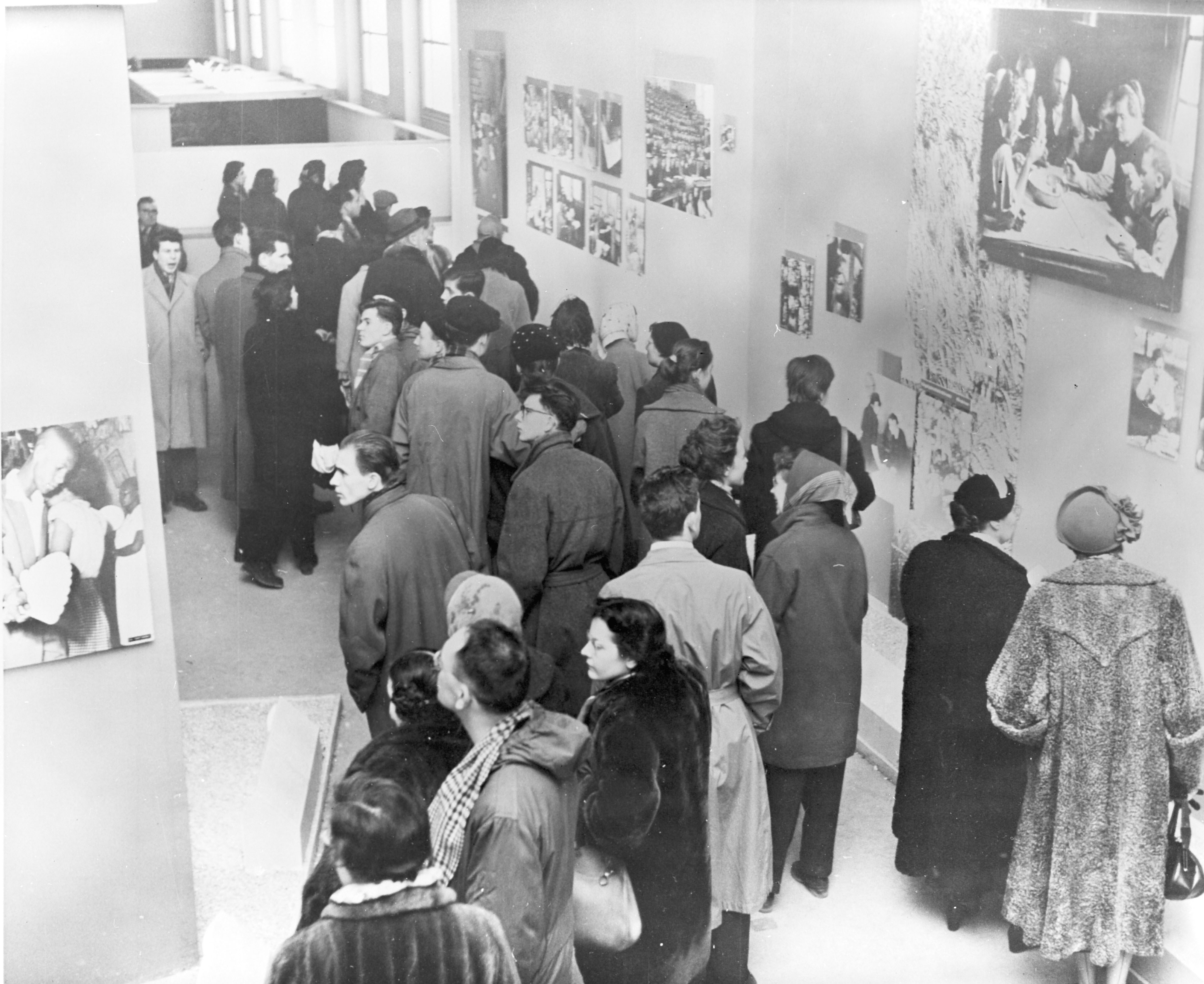
Tour-edition installation: another opening

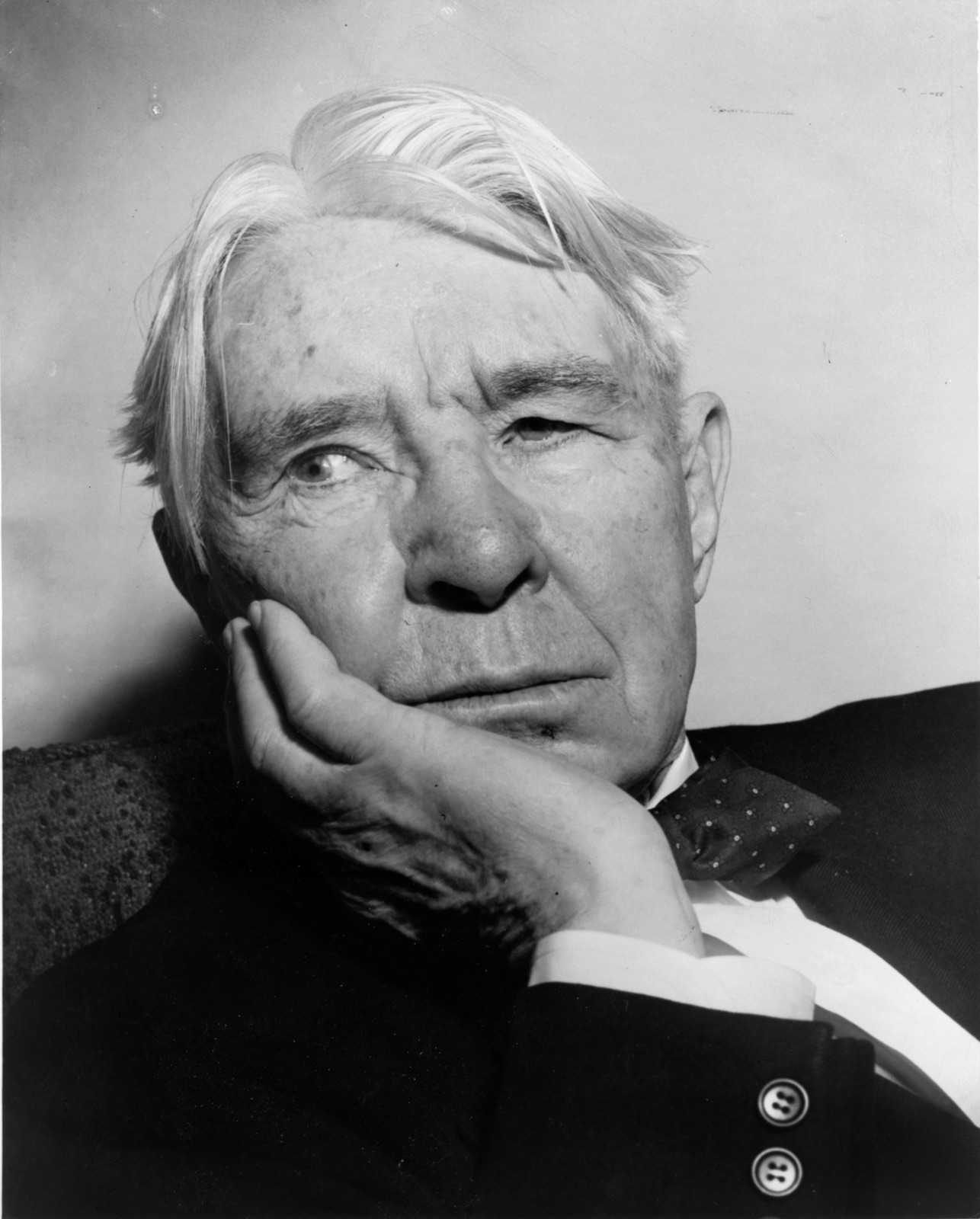
Carl Sandburg, author of the prologue (1955)

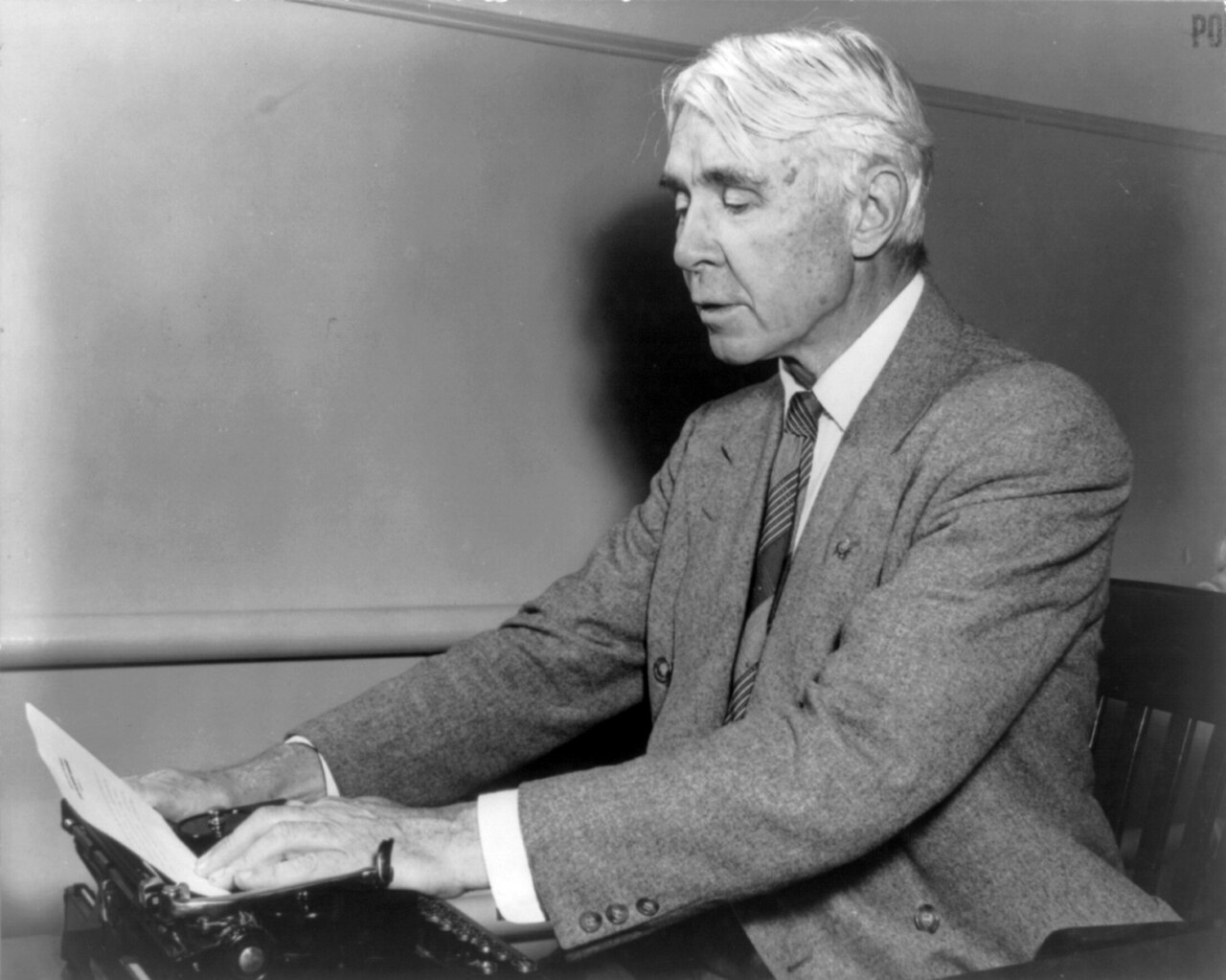
Carl Sandburg, poet — earlier portrait

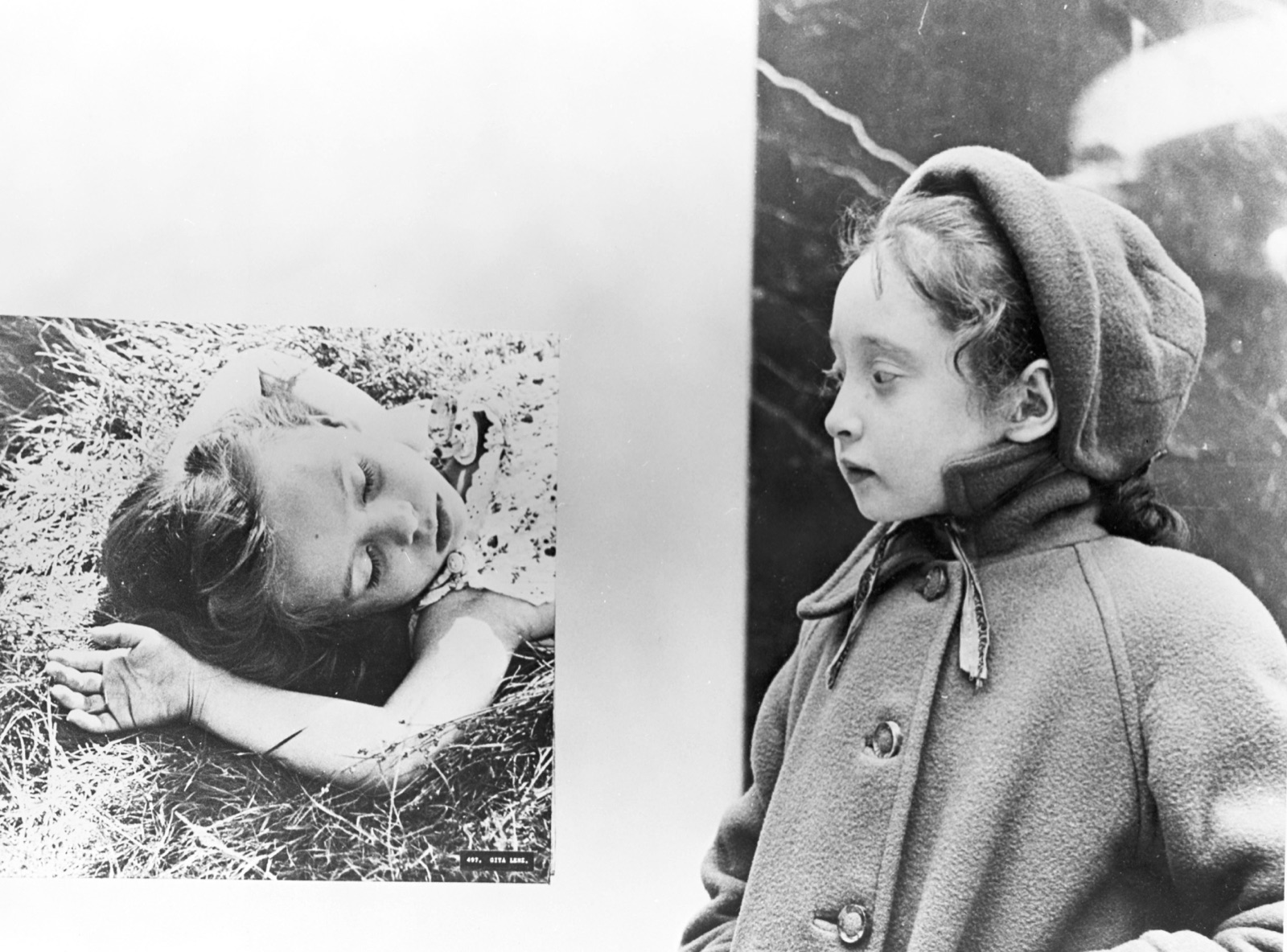
Schoolchildren at a tour-edition installation
1955 – 1962 · The world tour
The Family of Man toured 37 countries and 69 venues across six continents between January 1955 and 1962 (per world-tour research), organised by the U.S. Information Agency. The 1959 American National Exhibition in Moscow — which ran concurrently with the show's Soviet visit — became the backdrop for the "Kitchen Debate" between Nixon and Khrushchev. These venue photographs anchor the tour stops documented in the research.
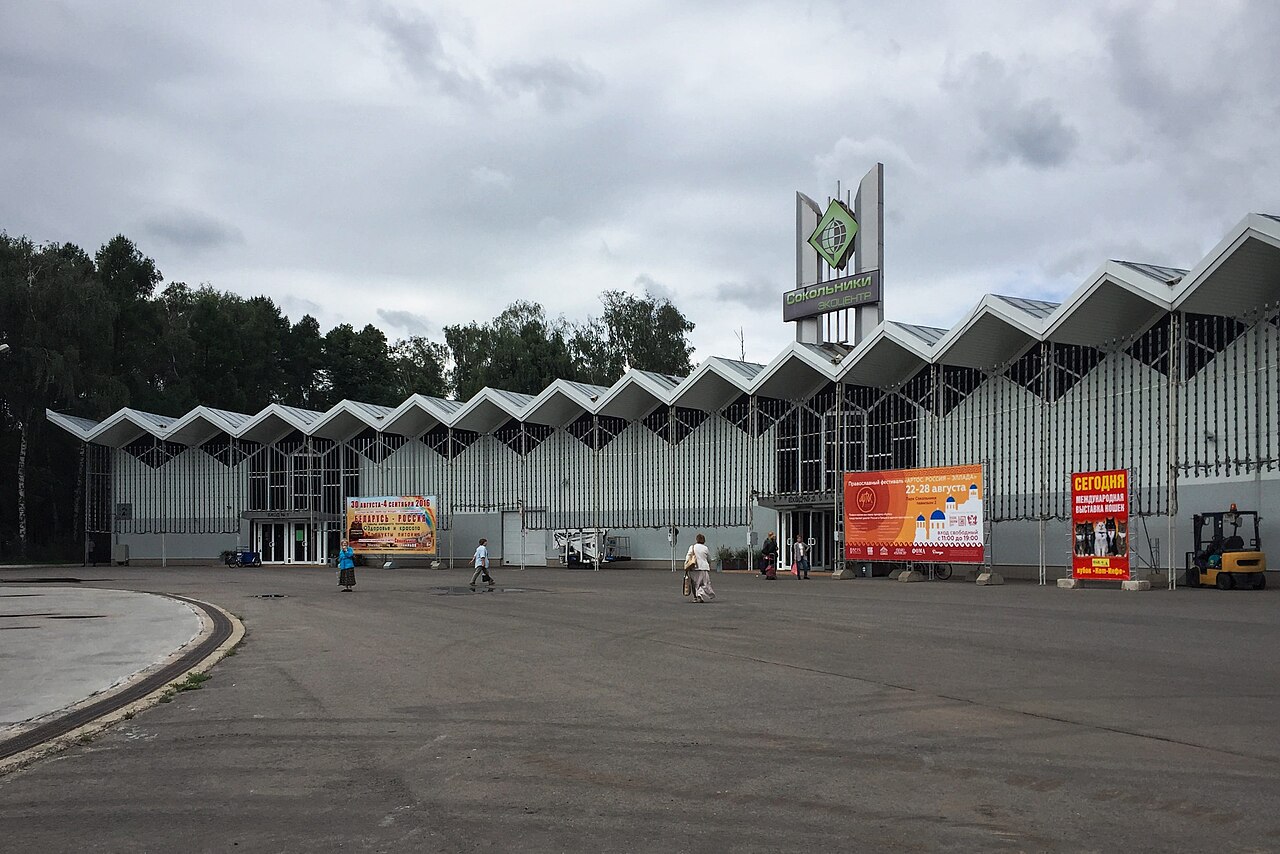
American Exhibition pavilion, Sokolniki Park, Moscow
.jpg)
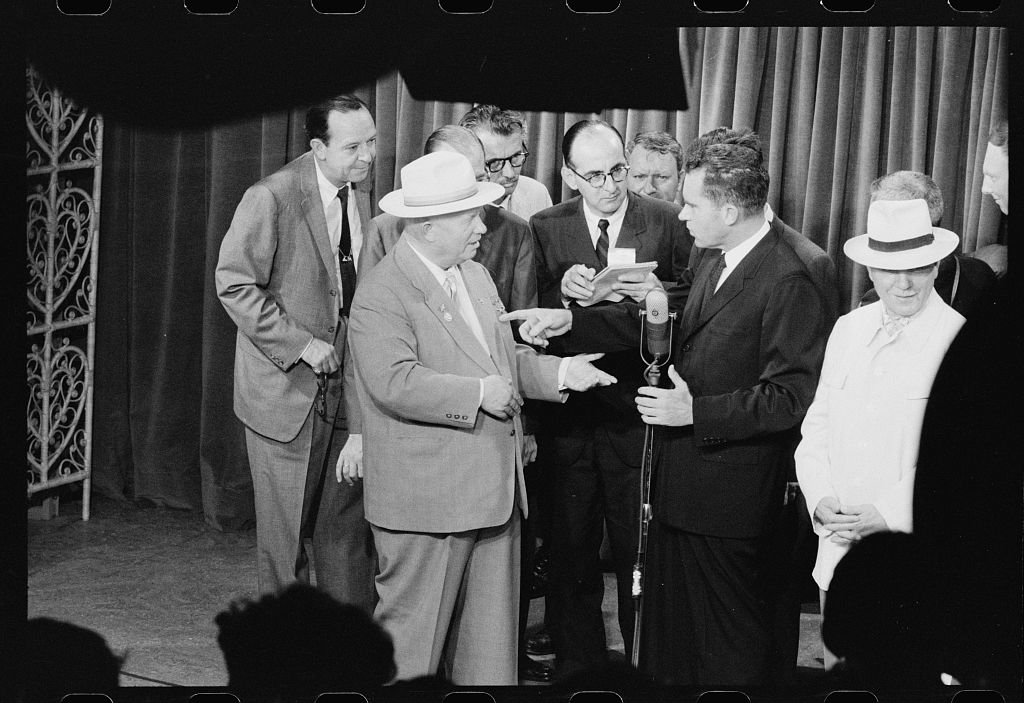
Nixon–Khrushchev "Kitchen Debate," American National Exhibition, Moscow

1965 – 1969 · The afterlife begins
Three years after Szarkowski took over MoMA Photography from Steichen, the curatorial succession captured at the 1965 White House Festival of the Arts. Rudolph in his Yale chairmanship years. Barthes — three years after the English translation of Mythologies reached Anglophone reception — at the height of the structuralist moment.
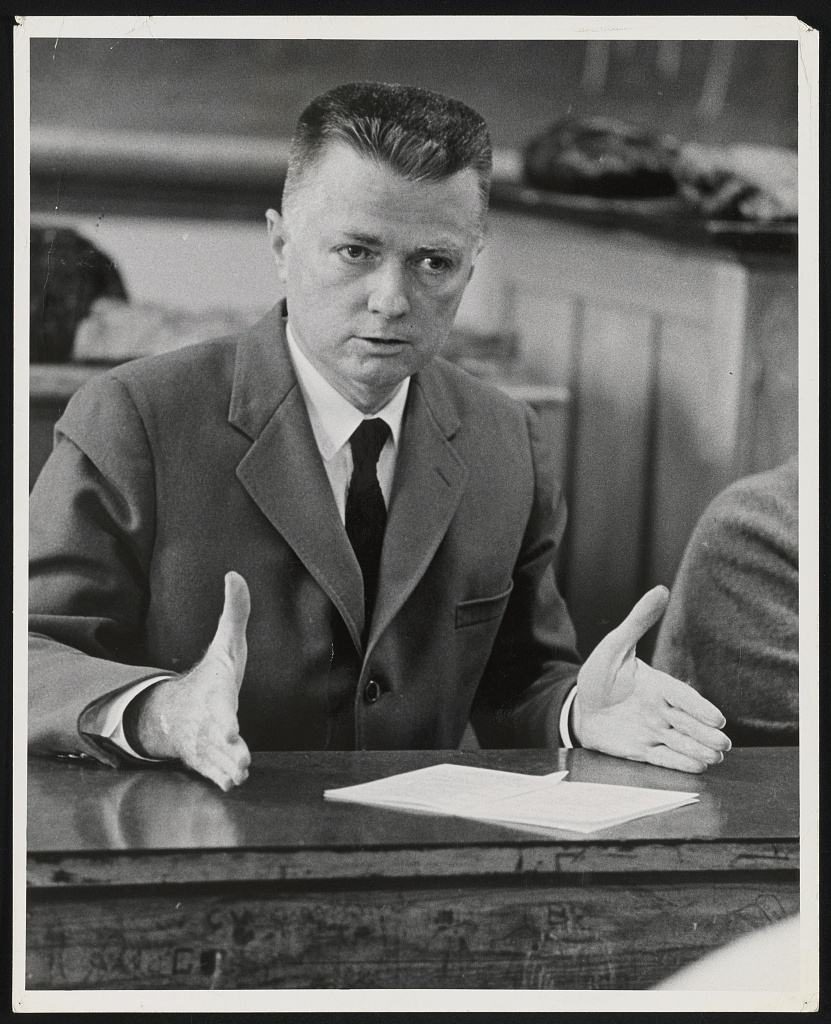
Paul Rudolph, in his Yale chairmanship years
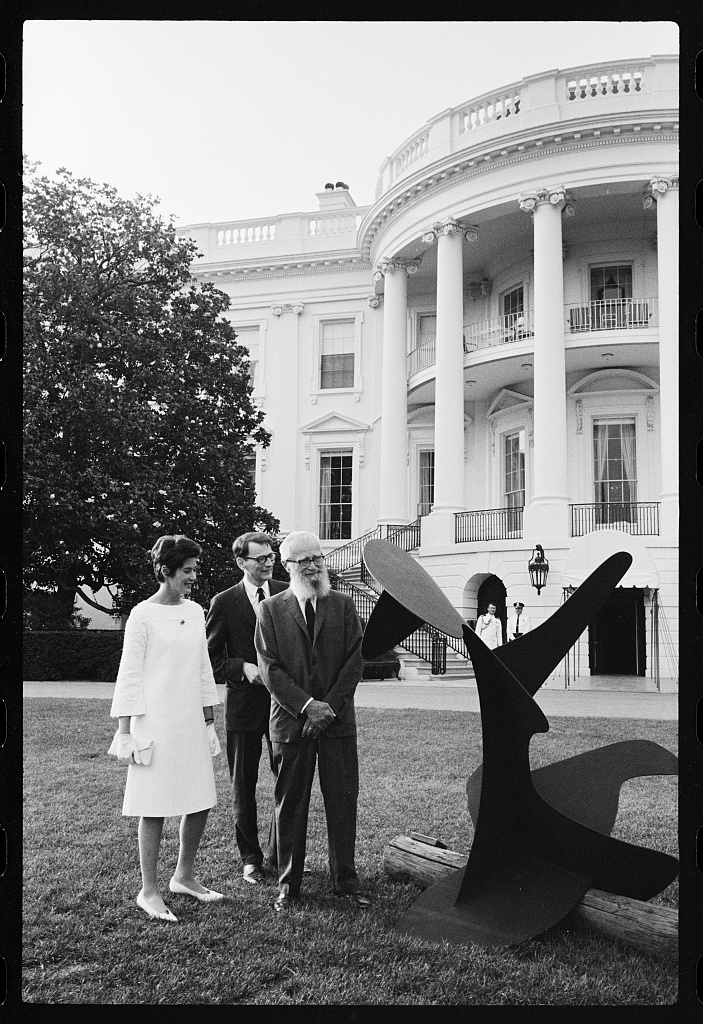
Szarkowski, Joanna and Edward Steichen, White House Festival
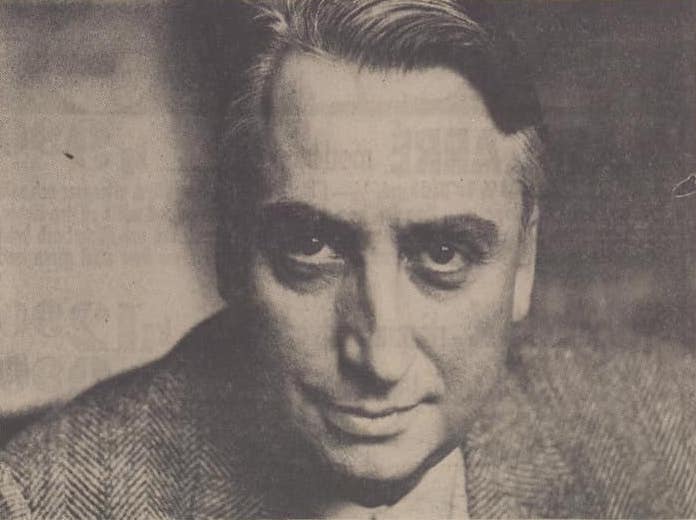
Roland Barthes
c. 1885 – 2015 · The Clervaux home
Clervaux Castle and its permanent installation — per Clervaux research: Steichen's personal request that the U.S. donate the last complete touring edition to Luxembourg in 1964; inaugurated 1994, restored 2010 – 2013, listed by UNESCO as Memory of the World in 2003. The 1885 engraving shows the mediaeval castle before the Second World War bombing; later photographs show the restored building hosting the collection.
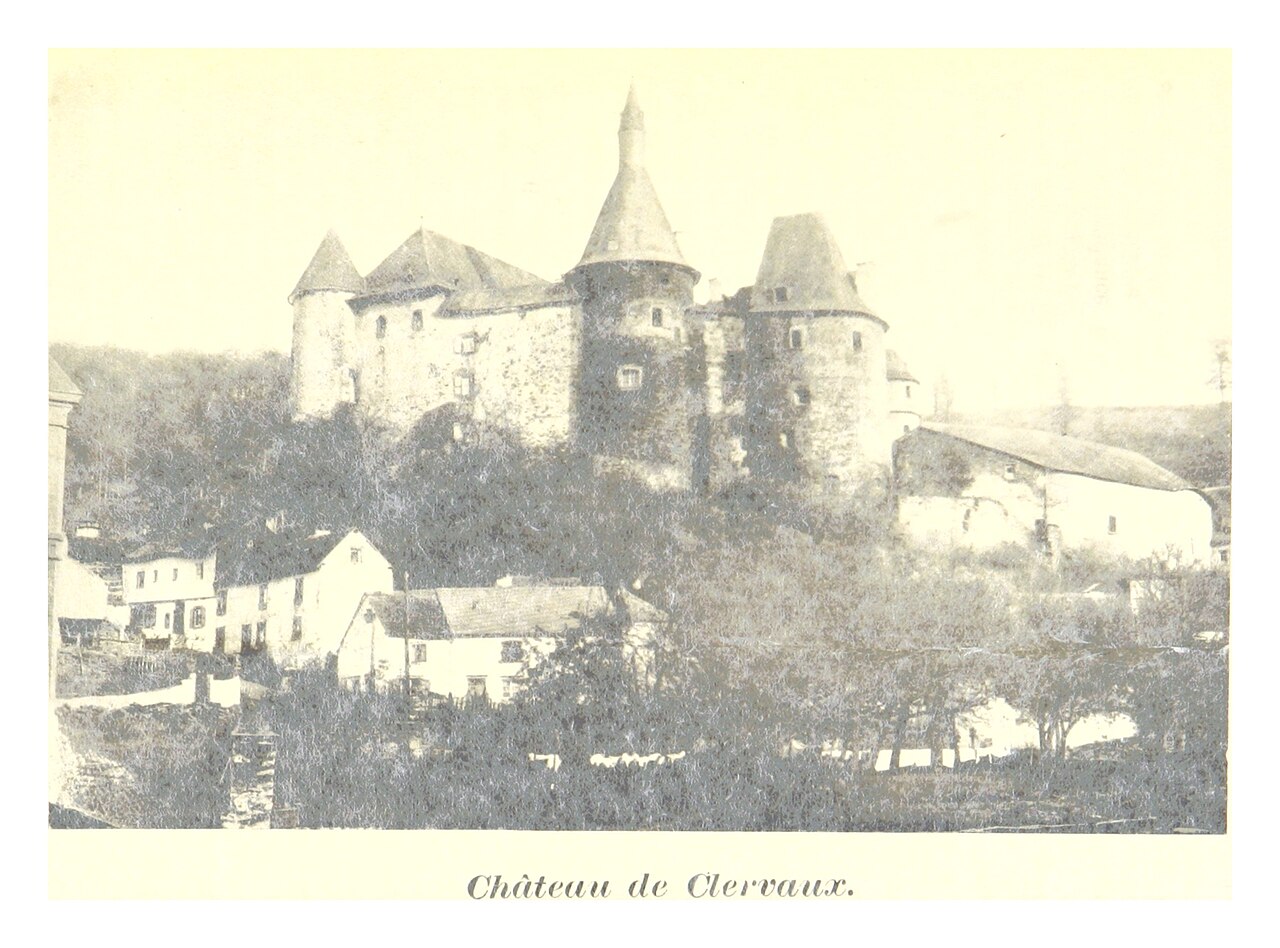
Château de Clervaux — 19th-century engraving

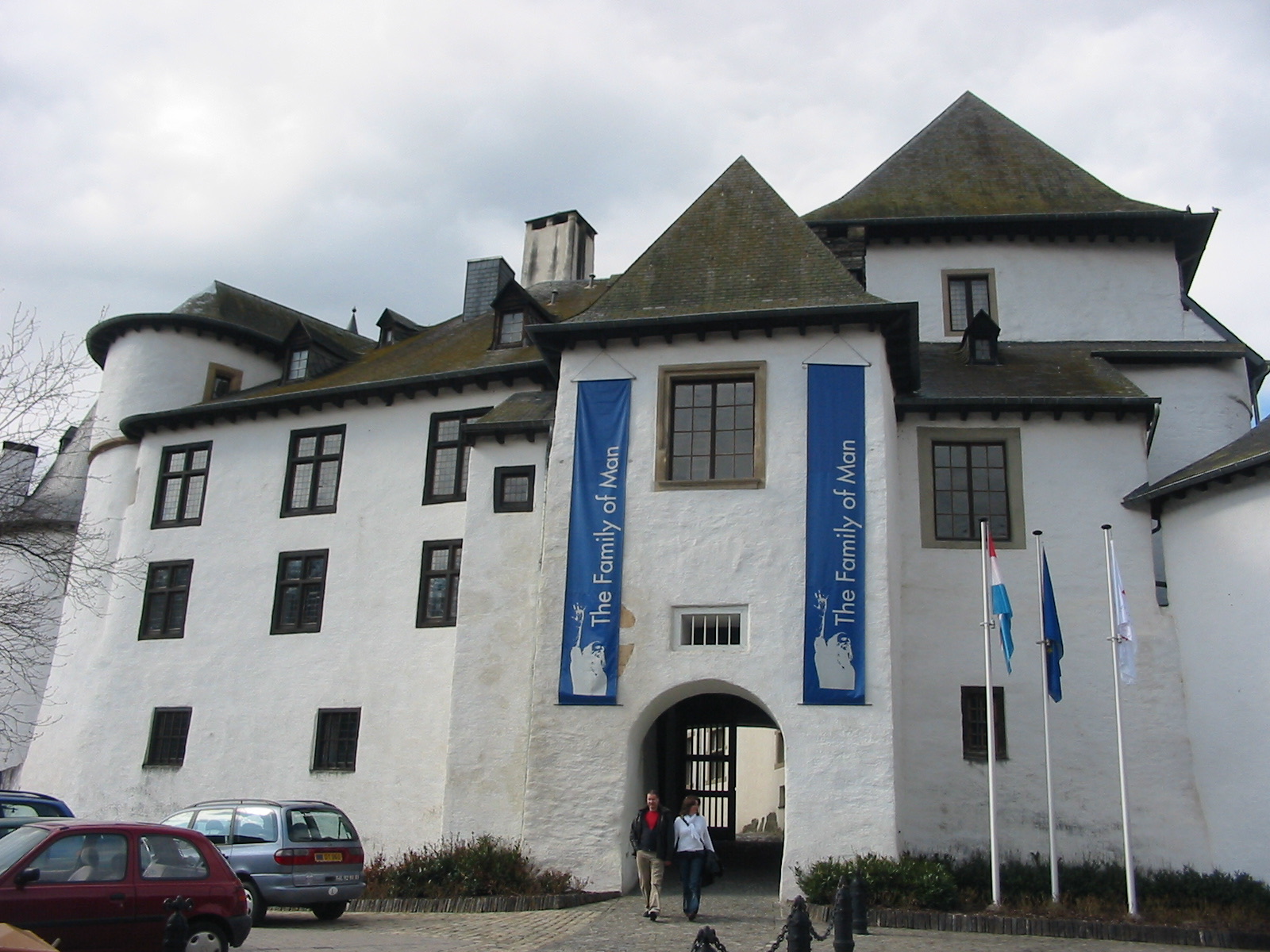
Clervaux Castle exterior

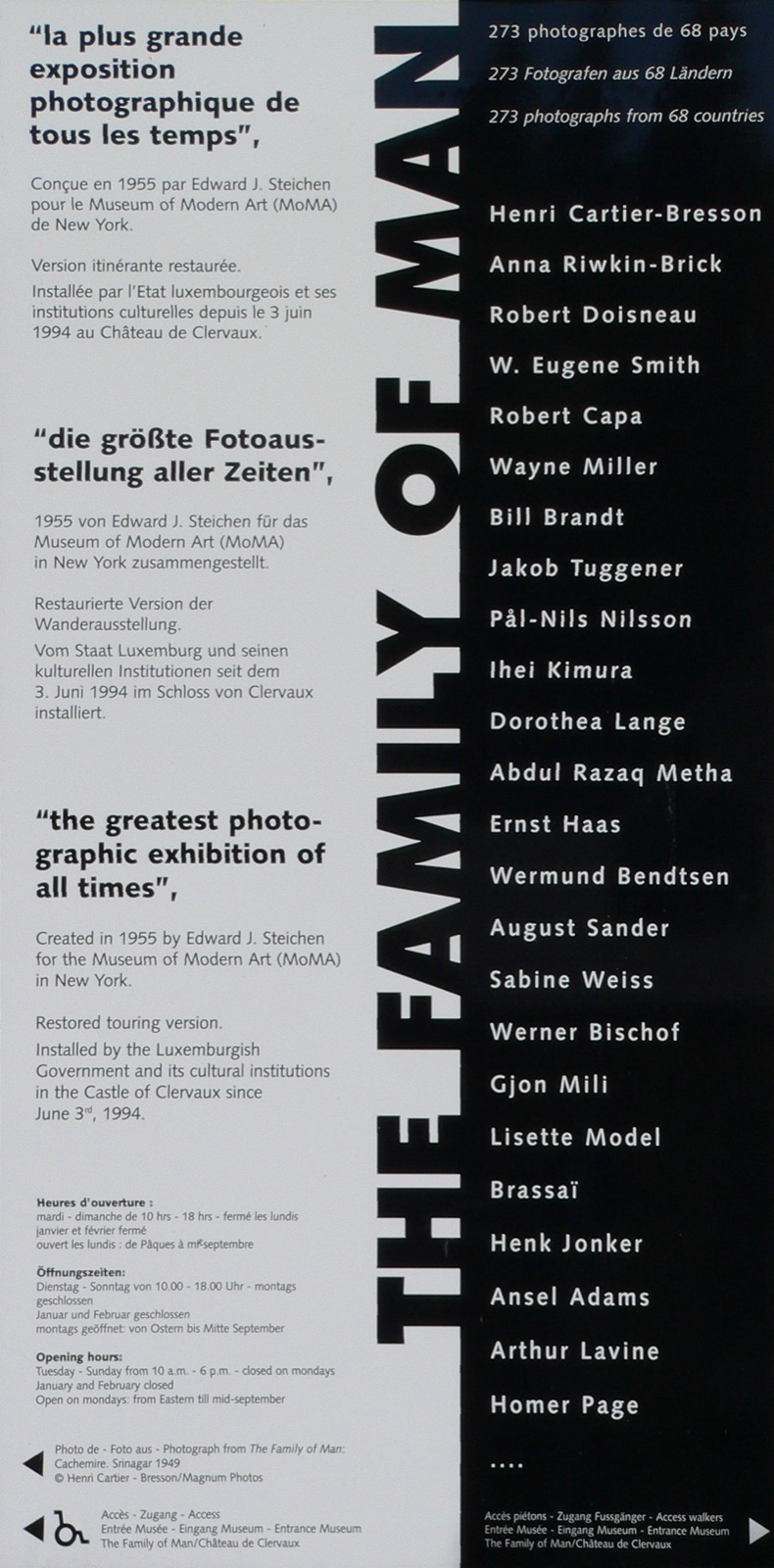
Permanent installation signage at Clervaux

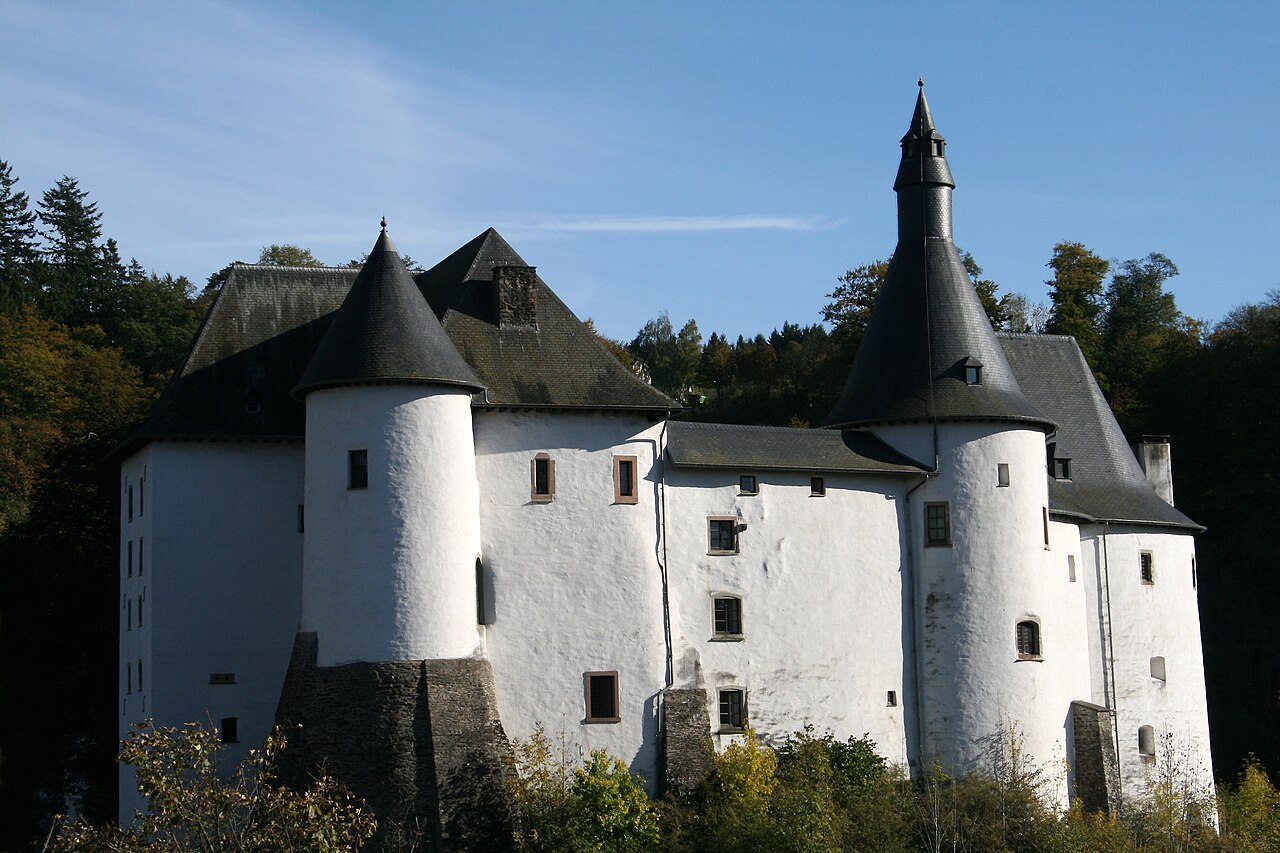
Clervaux Castle exterior, autumn 2010

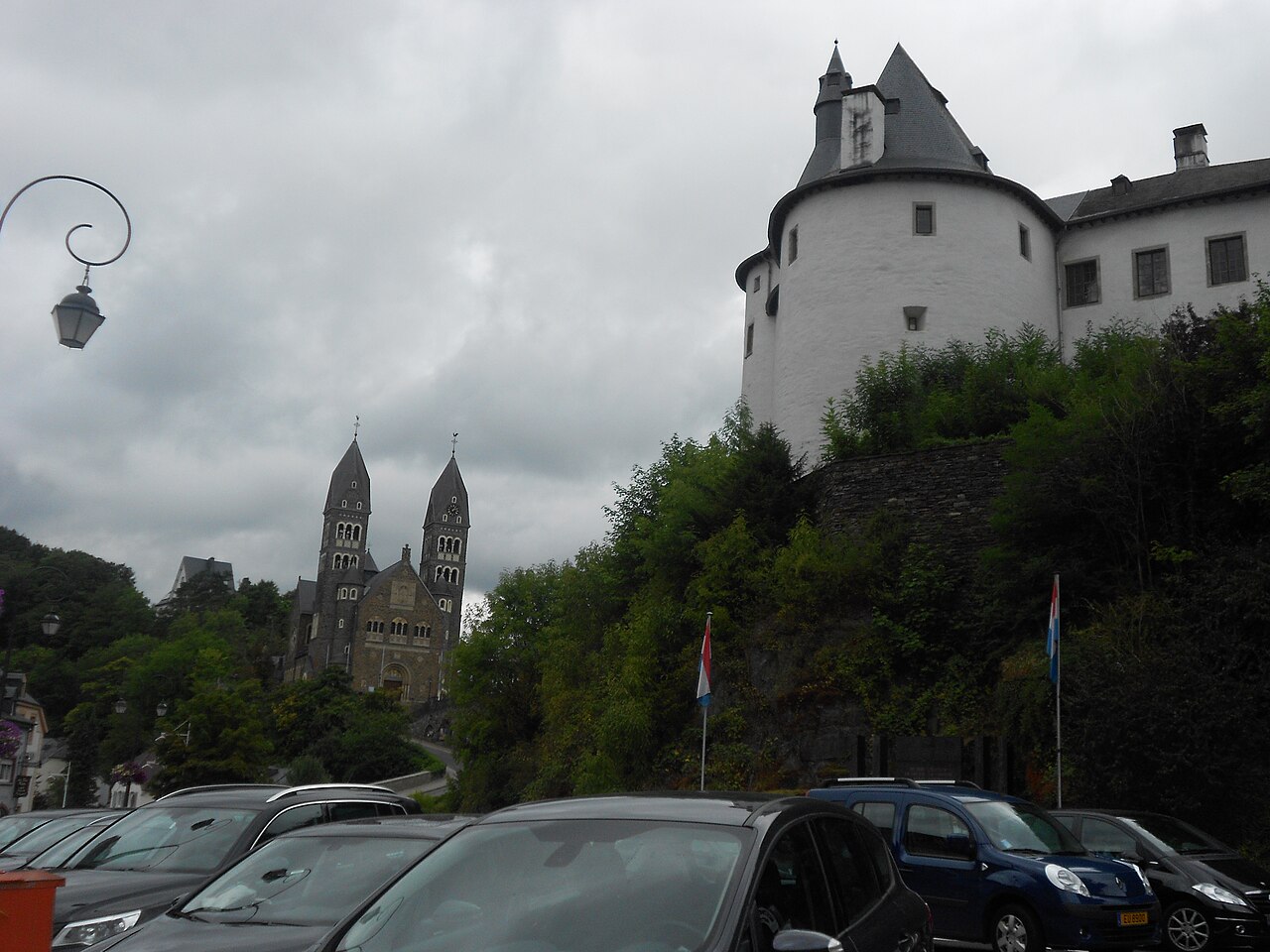
Church and Castle of Clervaux

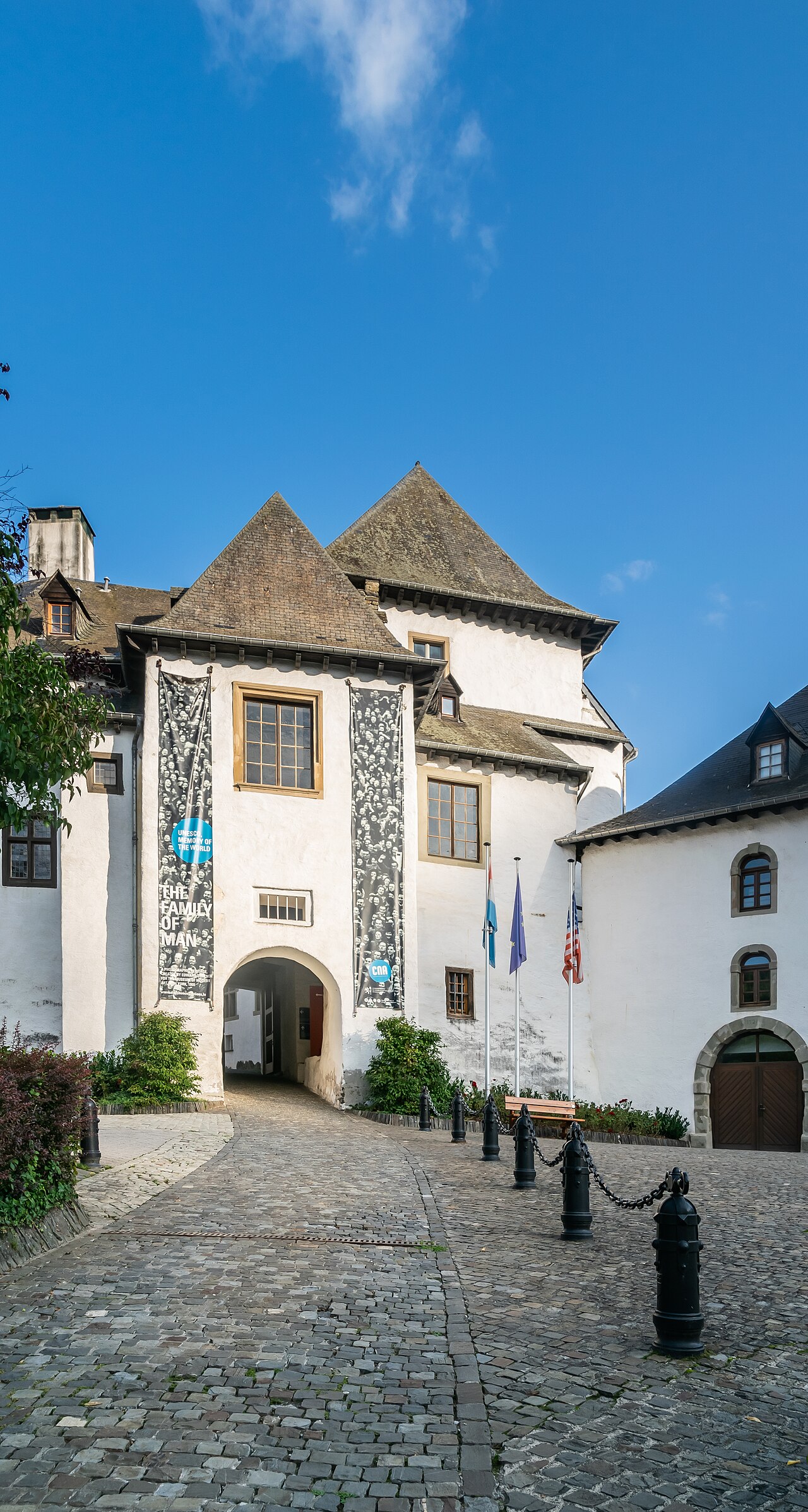
Clervaux Castle — aerial and exterior view
.jpg)
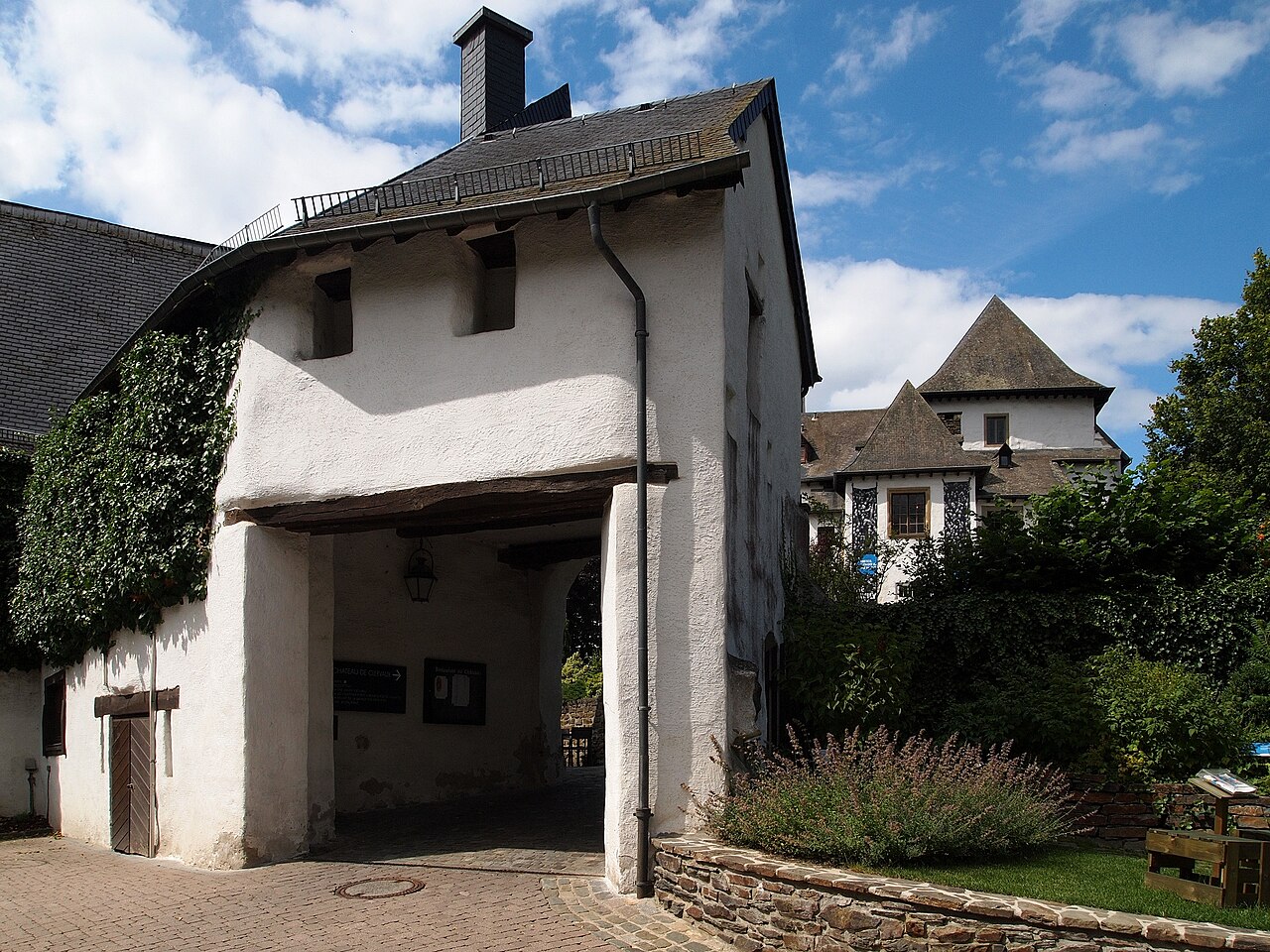
Clervaux town and castle, 2013

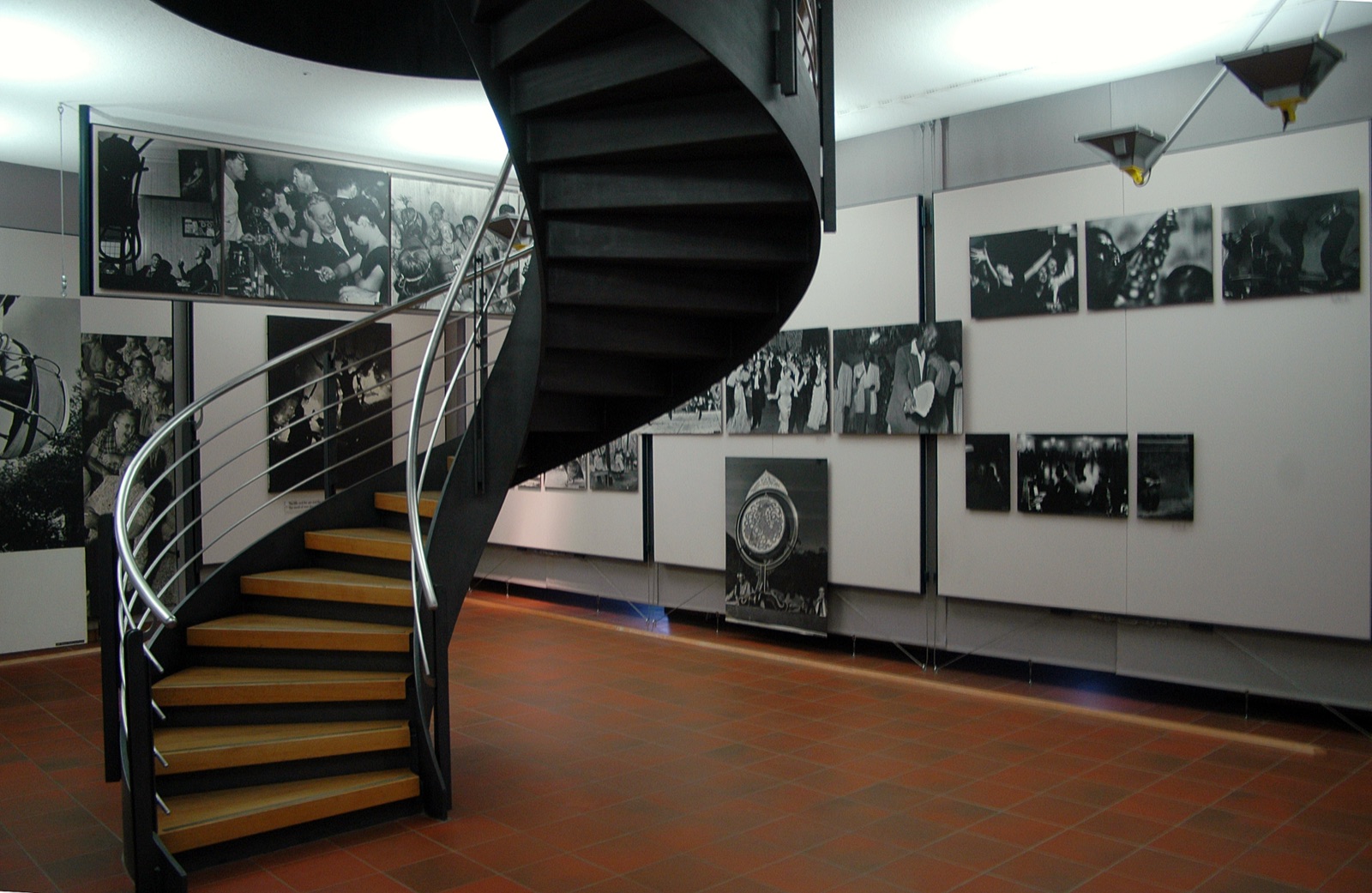
Interior, Clervaux installation (post-restoration)
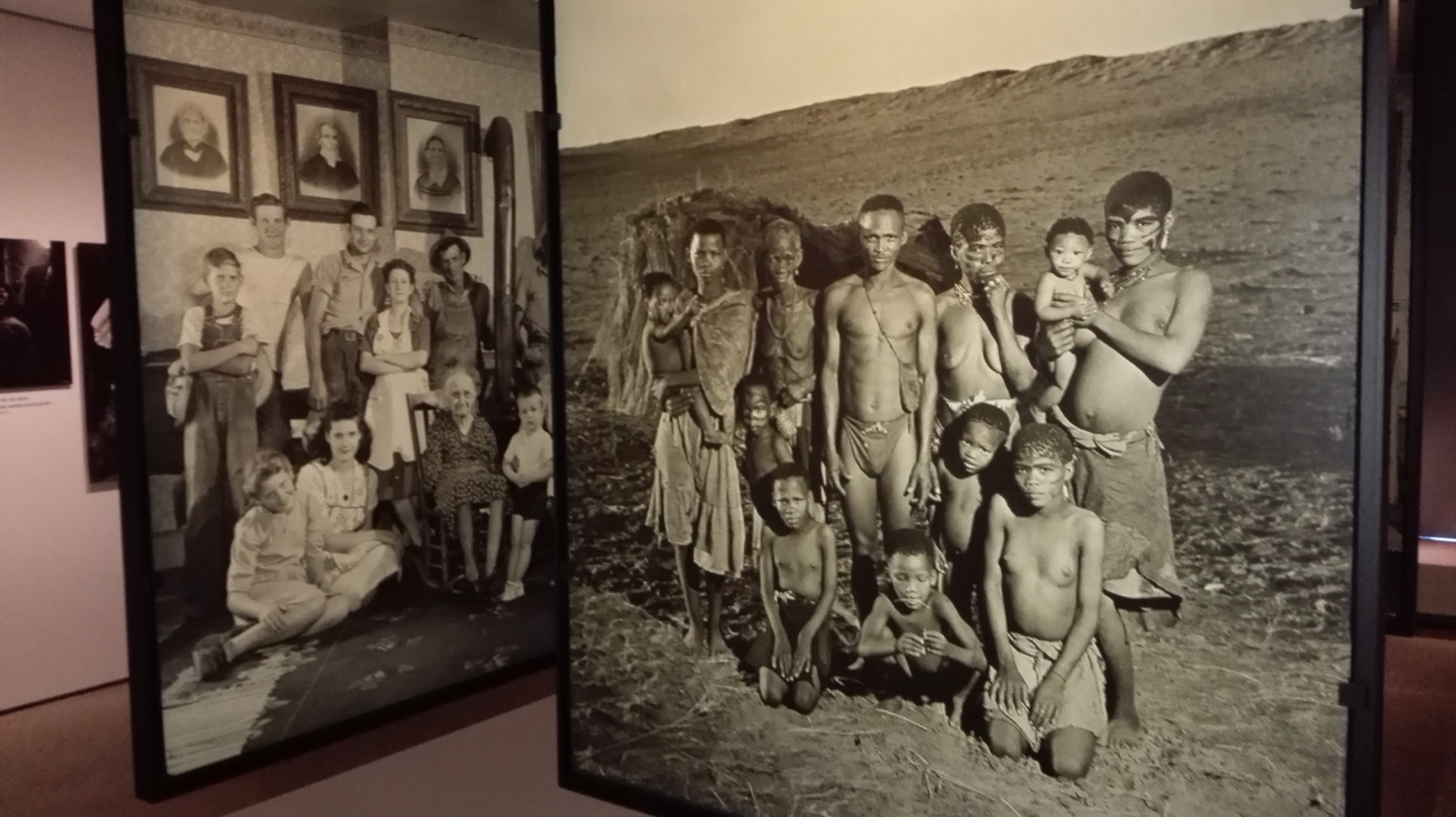
Interior, Clervaux installation
What this gallery does not show
The 503 photographs of The Family of Man itself are copyrighted by their photographers and estates. This wiki does not host them — see the per-plate photographs index for descriptive entries linking out to the institutions that hold prints (primarily the Museum of Modern Art and the Centre national de l'audiovisuel at Clervaux). When more photographs of the show's making, tour, or afterlife enter the public domain or are released under open licences, they will be added to the gallery in chronological position.
Note on Google Maps images: Google Maps user-contributed photographs are copyright-retained by their uploaders and are not eligible for inclusion. This gallery sources only images with verified PD, CC, or no-known-restrictions status from Wikimedia Commons, the Library of Congress, or equivalent repositories.